Home

What Being on the Michael Kitces Recommended List Really Means, and How Firms Can Use It to Drive Advisor Growth

Michael Kitces Recommended
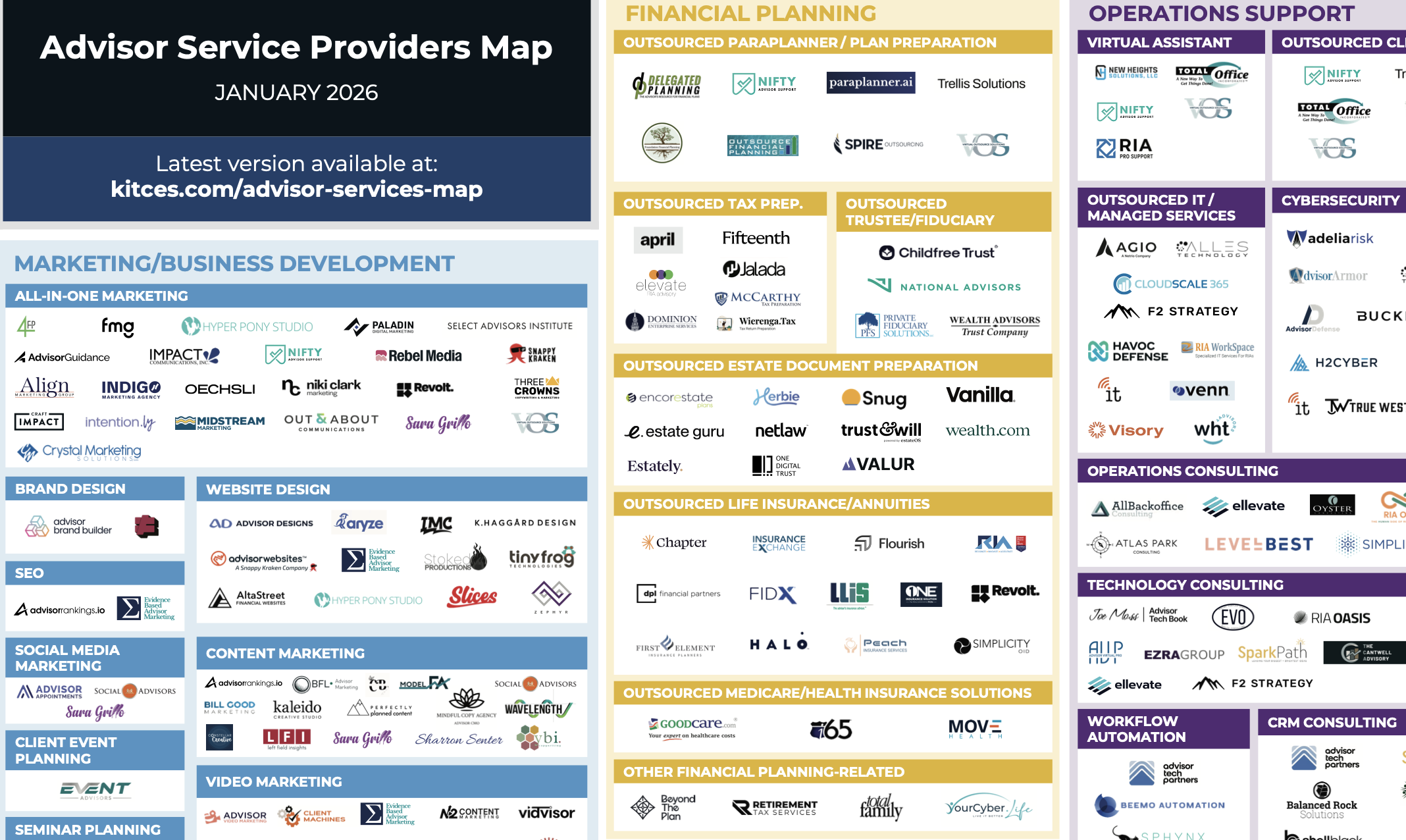
https://www.kitces.com/advisor-services-map/

Being listed on Michael Kitces’ Advisor Service Providers Map is not a casual endorsement.

It’s a signal.

For firm leaders, it says this coaching work has been vetted by someone who is known for rigor, depth, and long-term thinking. That matters in an industry where trust is everything and attention is limited.

But the real value of this recognition is not the list itself.

It’s how firms choose to use it.

Why the Kitces List Carries Real Weight

Michael Kitces has built his reputation by doing the opposite of what most marketing voices do.

He goes deep instead of wide.
He values evidence over trends.
He focuses on ideas that hold up in practice.

Firm leaders, Advisors and OSJs trust his recommendations because they are selective and grounded in real experience. His audience includes decision makers who care about sustainable growth, advisor development, and doing things the right way.

When a coaching company appears on his map under Sales and Marketing Coaching, it communicates something very specific.

This is not surface-level marketing help.
This is strategic work that supports how advisors grow over time.

That distinction is important.

Where Most Firms Stop Short

Many companies treat third-party recognition as a marketing moment.

They add a logo to a website.
They share a short announcement.
They move on to the next initiative.

That creates visibility, but not impact.

Firms that get real value from credibility signals use them to remove friction inside the organization and to strengthen how advisors are supported day to day.

Turning Credibility Into Advisor Buy-In

One of the biggest challenges leaders face is getting advisors to engage with coaching or training in a meaningful way.

The resistance usually isn’t about time or money.
It’s about trust.

Advisors are constantly pitched tools, programs, and systems that promise growth and deliver very little. Over time, that creates skepticism.

A recommendation from Michael Kitces helps cut through that noise.

It answers the question advisors rarely ask out loud but always think first:
“Is this actually worth my time?”

When that question is answered early, engagement becomes much easier.

Creating Alignment Without Forcing Uniformity

In many firms, advisors are left to figure out marketing on their own.

Some do fine.
Some struggle.
Most feel scattered.

Messages drift. Positioning becomes inconsistent. Growth feels uneven.

Using a trusted coaching resource gives leadership a reason to anchor advisors around a shared foundation. Not a rigid script, but a clear approach to clarifying value, messaging, and growth priorities.

That kind of alignment reduces confusion without limiting individuality.

Supporting Confidence, Not Just Activity

Many advisors are busy with marketing but still feel unsure.

They aren’t confident in how they describe what they do.
They chase tactics that don’t fit their strengths.
They struggle to explain why the right clients should choose them.

Coaching focused on clarity helps advisors slow down and get grounded.

They learn how to:

  • Articulate their value clearly
  • Focus on the right audience
  • Make decisions that align with how they want to build their practice

When advisors feel clear, their marketing becomes simpler and more effective.

Retention Is Often a Clarity Problem

Advisors rarely leave firms because they lack ambition.

They leave when growth feels confusing or unsupported.

When firms invest in coaching that helps advisors think clearly about their business, advisors feel seen and supported rather than managed or pushed.

That support builds trust.
Trust builds loyalty.
Loyalty protects long-term retention and growth.

Recruiting With Substance, Not Promises

Every firm claims to support advisor growth.

Few can explain how.

Being able to point to a coaching partner recognized by the most respected educator in the profession changes that conversation.

It’s concrete.
It’s credible.
It signals quality over hype.

That matters to experienced advisors who are evaluating where they want to build their future.

Why Susan’s Work Fits This Moment

For more than 20 years, Susan has worked with financial professionals to help them clarify what makes them valuable, sharpen their messaging, and create marketing plans that support sustainable growth.

This isn’t about louder marketing or quick wins.

It’s about building a clear foundation that advisors can rely on as their business evolves.

That clarity benefits advisors and the firms they belong to.

A Final Word for Firm Leaders

Third-party credibility only works if it’s used intentionally.

When recognition is treated as a tool rather than a trophy, it becomes a way to support advisors more effectively and to build a stronger firm culture around growth.

If your advisors feel scattered, inconsistent, or unsure about their marketing, that’s not a motivation issue.

It’s a clarity issue.

And clarity is something you can fix.

If you’d like to talk about how structured coaching can support advisor development, retention, and long-term growth across your firm, let’s connect and have a real conversation.

Clear thinking leads to better outcomes.

Should You Outsource Business Development Coaching For Your Financial Advisory Team?

Outsourcing business development coaching for your financial advisory team can inject new expertise and offer fresh perspectives from external professionals. A lot of firms experience increases in team motivation, improved sales conversations, and actionable strategies aligned with market demand. Outsourced coaches tend to be in touch with the latest tools and techniques, so teams acquire good habits that linger. For teams that want to grow quickly, external assistance can plug expertise gaps without permanent additions. Internal training can be less expensive and can align with a firm’s own culture more effectively. To decide if outsourcing is the right move, it’s useful to examine your team’s objectives, available funding, and where skills are lacking.

Key Takeaways

  • Business development coaching outsourcing offers specialized expertise, industry insights, and proven frameworks that can enhance your advisory team’s performance.
  • Outside coaches provide an objective perspective on your firm’s strengths and weaknesses, assisting in uncovering blind spots and refocusing strategies to address changing market needs.
  • Scalable outsourced coaching is equipped to handle growth, keep training consistent, and meet the evolving needs of your organization’s diverse teams.
  • This requires a careful cost-benefit analysis because outsourcing can reduce hidden costs, enhance advisor productivity, and provide a significantly better ROI than in-house programs.
  • Here’s what you want to look for when choosing an outsourcing partner: check their credentials, make sure that they align with your firm’s culture and goals, and ask for proof of measurable results.
  • To do outsourced coaching well, you need to communicate clearly, onboard the outsourcers with your culture, define success metrics, and ensure ongoing compliance with industry regulations.
Corporate Training for Financial Advisory Firms

Why Outsource Business Development Coaching?

Outsourcing business development coaching has become a viable option for financial advisory firms aiming to enhance their competitive edge in a rapidly evolving market. By partnering with Susan Danzig, firms can introduce a blend of industry expertise and objectivity that is challenging to develop internally. Working with an experienced business development coach facilitates skill growth while allowing firms to easily scale resources based on business cycles. This strategy is especially effective for international teams, who thrive on flexibility and efficiency.

1. Specialized Expertise

Experienced business development coaches from external organizations frequently have a strong understanding of the financial services industry. These experts from advisory firms have experience working with a number of advisory firms, so they have firsthand knowledge. Their job is to fine-tune and refresh your firm’s business development strategies, providing you with fresh strategies that are customized for the financial advisory reality.

One such benefit is access to coaching for specific problems to solve, such as managing business development alongside client work or adopting new technologies. This needed support is custom-fit for seller-doers, whose time is spent doing client work, not business development. By integrating specialized coaching techniques into your training schedules, you can enhance advisor performance and inspire continuous skill development.

2. Objective Perspective

Outsourced coaches provide honest, unbiased feedback. They’re not bound by internal politics or legacy processes, so their evaluations strike at what works and what doesn’t. This outside perspective helps to identify blind spots in your firm’s current approach and can expose gaps that internal teams may miss.

A little constructive criticism can ignite growth, question assumptions, and generate genuine improvement. Objective reviews help you adjust your goals to what the market and clients now expect.

3. Scalable Growth

By partnering with outsourcing providers, you can effectively scale your business operations during peak seasons and reduce your team size when it’s slower, providing crucial flexibility for growing organizations. This approach allows you to explore outsourcing solutions that enhance efficiency and adaptability.

Moreover, deploying consistent training firm-wide while customizing the program for various business models ensures that every financial advisor, whether junior or senior, receives reliable, top-notch assistance.

4. Proven Systems

Outsourced coaches bring in systems and strategies proven by other companies. These frameworks simplify your coaching, minimize guesswork, and emphasize explicit, quantifiable results.

By using proven strategies, your team works intelligently and achieves more.

5. Renewed Focus

When coaching is taken care of by an outside partner, your team can focus more time on client acquisition, engagement, and other primary work. This change minimizes interference from internal training and fosters a more efficient workspace.

Professional development is prioritized and, therefore, keeps your consultants cutting-edge and driven to succeed.

The In-House Coaching Dilemma

About The In-House Coaching Conundrum. In-house coaching allows a company greater control over how it trains its financial advisory team. In-house gurus can determine the schedule, duration, and location of each session. This aids in squeezing coaching into hectic workdays and facilitates coordinating team schedules across the globe. In-house coaches understand the company culture, pressure points, and daily grind. They can tailor advice to what the team is confronting at the moment. This is good for trust-building and keeping lessons close to the day-to-day work. For some firms, this control and deep knowledge help them save money, as they don’t have to hire an outsourcing provider each year.

Still, in-house coaching has obvious boundaries. Teams can become trapped with a single mindset. When all counsel is in-house, concepts begin to echo, and fresh means to address issues do not emerge. Bias is a real danger. In-house coaches may not notice skill gaps or may avoid difficult conversations that can propel someone forward. For instance, a coach who has toiled for years in a firm may not push back on habits or may skirt topics that challenge the status quo. This can decelerate growth and prevent teams from peaking, making it imperative to explore outsourcing solutions when necessary.

Handling in-house coaching requires tons of resources. It takes time and costs money to train a good coach. This is the case for any firm, but it becomes more difficult as the team expands. If a firm is adding new staff in new locations, it requires more coaches or more hours from the same individuals. This can spread teams too thin, rendering the coaching less valuable. Outsourcing business advisory services can bring in business growth expertise, but without familiarity with a firm’s unique ways or values. It can be expensive to hire outside coaches, but they frequently deliver new thinking and new capabilities.

The Financial Equation

Outsourcing business development coaching for financial advisory teams can transform the economics of firms. By exploring outsourcing solutions, businesses can compare internal efforts with outsourced business advisory services, examining all costs, return on investment, and how well each model supports advisors in building client relationships in a saturated market.

Cost Analysis

Cost Category

In-House Coaching (USD)

Outsourced Coaching (USD)

Trainer Salaries/Fees

50,000/year

30,000/year

Program Development

15,000

Included

Materials and Tools

5,000

2,000

Staff Time
(Lost Productivity)

20,000

5,000

Ongoing Updates

8,000

Included

Total Annual Cost

98,000

37,000

Deep internal training can hide costs not initially apparent, including staff time spent on planning and lost productivity when advisors are pulled from their primary responsibilities. For instance, if in-house sessions pull advisors from client meetings, the opportunity cost can grow quickly. Outsourced business advisory services generally combine materials, program updates, and expert advice, making their costs more straightforward to anticipate and control. While not all firms will see savings if their requirements are very specialized, utilizing an outsourcing provider can help retain full content control while still benefiting from expert guidance.

Outsourcing options can decrease attrition and develop advisor competencies more rapidly, ultimately reducing hiring and onboarding costs. For some global companies, outsourced planning providers offer custom packages that accommodate fluctuating budgets, such as monthly, quarterly, or per session. A close cost-benefit analysis can help firms see where the true value lies, weighing costs against the suitability of the coaching model for their advisor team.

ROI Projection

  1. Gather initial information on advisor productivity, client capture, and retention.
  2. Project enhancements involve examining results from comparable companies that employed outside coaching, particularly in their expansion of client interest and their portfolios.
  3. Revenue impact equals new clients multiplied by the average fee per client minus external coaching cost.
  4. Monitor advisor attrition. Measure advisor turnover and compare it to industry benchmarks.

Based on historical data, companies can predict a 10 to 20 percent increase in client retention when coaching is aimed at relational skills, which are crucial in financial advisory services. Business-challenged advisors might grow more with an outsourced business advisory services coach than they do working with a third-party lead generation consulting service, which some consider a waste of time. Firms need to track advancement over time and look for increased income and advisor contentment.

Choosing Your Partner

Choosing your partner is crucial in the realm of outsourced business advisory services, especially for financial advisors. It’s not merely about filling a gap; it’s about selecting an outsourcing provider who aligns with your long-term strategic vision and complements your trusted advisors. The most successful partnerships are those where each party understands its strengths, acknowledges its vulnerabilities, and maintains flexibility in communication and collaboration. It’s important to look beyond short-term victories and ensure the coach’s style aligns with your team’s mission and culture, while also exploring outsourcing solutions that offer customizable plans.

Assess Credentials

A nice first step is to see if the outsourced business advisory services provider’s team has the appropriate background. Seek out professional training, industry certifications, or accolades that demonstrate they understand the craft. A background in financial advising is crucial. The issues your squad grapples with, such as policy changes, customer confidence, and hard deadlines, need a mentor who speaks your language, not some generic corporate babble.

It’s always good to see some case studies or client remarks, particularly from companies of your size or market. That provides a feeling for whether the coach can pull off actual results. Some outsourcing providers exhibit client wins, but press for specifics. Were objectives achieved? Did teams experience real growth in meetings or conversions?

The best coaches are very well-connected. They know the ins and outs of the financial services world and can describe how they adjust to new market rules or technological shifts. If your team is global, ensure the provider has worked cross-culturally and can bridge gaps in work style or talk.

Verify Alignment

Make sure the coach’s values align with your own! Discuss your company’s objectives and observe whether the vendor hears you and comprehends. If your team appreciates open conversation and experience-based learning, the coach ought to do so.

Inquire how they adapt to align with your work style and team habits. Does their plan conflict with your consultants’ day-to-day methods? The right partner fits in without resistance.

Try their ideas against your business model. A good partner will never impose a one-size-fits-all plan. They will customize their curriculum to help you achieve your own goals, not just industry averages.

Request Proof

Request evidence of achievement. This might be figures such as an increase in client retention or new business signed post coaching. Explore sample plans to view your team’s activities week by week.

Seek references from other companies. Extend your network and listen for candid feedback. Did the provider keep his promise? Were the results obvious and enduring?

See if their process allows you to monitor progress. Can you see results in raw numbers, not just anecdotes? This makes it easy to judge if the partnership is working or if you need to change direction.

Corporate Training for Financial Advisory Firms

The Integration Blueprint

An integration blueprint for outsourcing business development coaching is a strategic approach to blending outside expertise into a financial advisory team’s daily operations. At Susan Danzig, we design customized integration plans that align seamlessly with your workflows, ensuring that coaching initiatives enhance, not disrupt, your existing business processes.

Our blueprints define how to embed professional coaching into your systems, establish clear communication channels, and set performance metrics that demonstrate measurable improvement. The goal is to help firms combine external insights with internal strengths, allowing business growth initiatives to run smoothly, leaner, and more effectively.

A practical integration blueprint includes these steps:

  1. Survey current biz dev flows and plan where coaching will integrate.
  2. Define all the pieces: internal groups, outside coaches, data platforms, and the links required among them.
  3. Establish open data formats and protocols so information can flow easily between your company and the coaching partner.
  4. Map out an onboarding and training timeline, along with a continuing review timeline that includes checkpoints for gauging progress.
  5. Construct feedback loops to continuously refine the integration according to advisor performance and business requirements.

Cultural Onboarding

Ensuring the outsourced coaching partner is aligned with your firm’s culture sets the stage for trust and productivity. Your onboarding should provide coaches with a strong impression of your philosophy, ethics, and team culture. Schedule in-person or virtual meetings where coaches and advisors can get to know each other and build rapport, creating a comfortable environment for both sides to operate as a single unit. By providing materials like company handbooks and client playbooks, you can customize the coaching experience to your environment. A joint onboarding session where internal teams and outsourcing providers can ask questions and establish shared goals makes everyone feel committed.

Communication Cadence

Regular communication is essential for effective vendor management and keeps integration on target. Weekly or biweekly check-ins allow both your firm and the outsourced business advisory services partner to exchange updates, flag problems, and establish near-term priorities. Determine in advance how frequently you’ll meet, what instruments you’ll use (video calls, project boards, IM), and who should attend each meeting. Advisors should feel comfortable providing immediate feedback to coaches, fostering trust and speeding up issue resolution. Utilizing a common dashboard or collaboration platform keeps everyone updated on objectives, timelines, and outcomes.

Success Metrics

The blueprint must define what success means, focusing on quantifiable objectives like percentage client growth or enhanced advisor output, essential metrics for business advisory services. By selecting key performance indicators (KPIs) and monitoring them monthly, you can explore outsourcing solutions if the numbers don’t reflect your desired gains. Celebrate victories and share wins with the team to maintain enthusiasm and support momentum.

Navigating Compliance Considerations

There is a new set of compliance considerations that come with outsourced business advisory services for financial advisory teams. While financial firms do need to scale, they must navigate compliance considerations diligently. Regulators want firms to maintain a grip on every third-party partnership, making it essential to understand what to look for when selecting an outsourcing provider and how to uphold these standards.

  • Verify that the coaching service meets all regulatory and legal compliance requirements for financial advisory work.
  • Ensure your vendor has a robust data security policy and protects sensitive client data.
  • Make sure the coach or firm has compliance training and can educate your team on recent regulations.
  • Under strict rules, establish clear policies on sharing information and managing confidential client information.
  • Check your outsourcing contract for detailed compliance responsibilities, audit schedules, and reporting requirements.
  • Establish periodic audits and reviews of compliance to identify gaps and repair them quickly.
  • Request evidence of continuous compliance training for all coaches’ personnel and your members.
  • Ensure that your partner has a track record of strong compliance without previous breaches or penalties.

Regulators now expect firms to show they can manage their vendors, especially when those vendors deal with sensitive data or compliance tasks. This means you need to check not only how the coach teaches but also how they store and utilize your client information. Strong vendor management practices, such as routine checks and risk reviews, help keep your firm compliant with the law while protecting your business. Some firms even outsource compliance checks to experts, allowing them to focus their staff on growth and client service.

Strong compliance builds lasting trust with clients and demonstrates that your firm prioritizes integrity, transparency, and accountability, values that Susan Danzig upholds in every engagement.

Final Remarks

Outsourcing business development coaching with Susan Danzig gives financial advisory teams a strategic advantage. You gain access to specialized expertise, fresh perspectives, and actionable training that produces results fast. Our team helps eliminate inefficiencies, refine advisor performance, and ensure compliance, all while maintaining focus on measurable growth.

In-house coaching can work for some, but partnering with Susan Danzig often accelerates success, deepens accountability, and helps firms adapt confidently to industry change. To move your team forward, consider which approach aligns best with your goals, and focus on results that truly drive performance.

Frequently Asked Questions

1. What Are The Main Benefits Of Outsourcing Business Development Coaching?

Outsourcing provides access to expert coaches and outsourced business advisory services, offering new perspectives and battle-tested strategies that can rapidly up-skill your team, save time, and be more cost-effective than hiring and training internally.

2. How Does Outsourced Coaching Compare To In-House Coaching?

Outsourced coaching offers expertise and flexibility, while in-house coaching may provide a more tailored approach. Both options suit different business models and objectives, making them viable outsourcing solutions.

3. Is Outsourcing Business Development Coaching Cost-Effective?

Yep, it’s usually cheaper to utilize outsourced business advisory services. This approach minimizes the costs of recruitment, training, and continued employee administration, allowing you to pay solely for what you require and optimize ROI.

4. What Should I Look For In A Business Development Coaching Partner?

Select an outsourcing provider that has a proven track record, industry experience, and results. Ensure they align with your corporate culture and can customize their business advisory services to your team’s specific requirements.

5. How Do We Ensure Compliance When Outsourcing Coaching?

Choose outsourced business advisory services partners who understand your industry’s compliance. Inquire about their compliance experience and seek references to ensure effective vendor management.

Let’s Design A Custom Program For Your Firm

At Susan Danzig, we understand that no two financial advisory teams are alike, and that’s exactly why every coaching program we build is customized to your firm’s goals, growth stage, and market position. Whether you’re exploring outsourced business development coaching for the first time or looking to enhance your existing training, we’ll help you create a structured, measurable program that drives performance and accountability across your team. From leadership alignment and communication strategies to client acquisition frameworks and compliance integration, we design every element to support sustainable, long-term success.

Let’s design a custom program for your firm, one that strengthens your advisors, scales your results, and helps you achieve the business growth you’ve been working toward. Schedule a consultation today to begin shaping your firm’s next level of success.

How To Train Your Financial Advisors To Attract More Ideal Clients – Without Burning Out

At Susan Danzig, we help financial advisors learn how to attract more ideal clients without burning out by focusing on people skills, time use, and sustainable systems. Advisors who listen well, establish healthy boundaries, and apply intelligent technology tend to gain client confidence and maintain their practice with ease. Providing regular feedback, sharing real-life stories, and encouraging advisors to celebrate their victories all contribute to enhanced team development and morale. Training is most effective when it blends real-world experience with collaborative learning, so advisors develop habits that last. By leveraging these fundamentals, Susan Danzig helps firms and advisors attract ideal clients while keeping burnout low.

Key Takeaways

  • By knowing exactly what ideal clients look like and require, financial advisors can customize their offerings, focus their promotion, and provide more targeted engagement even in different markets.
  • Instead, by embracing a sustainable training framework that combines both technical and interpersonal skills and structured feedback mechanisms, you foster long-term advisor growth and alignment with organizational goals.
  • Instilling a growth mindset and self-reflection in advisors promotes resilience, prevents burnout, and nurtures lifelong learning.
  • By bringing clarity around niche markets and a clear value proposition, you help advisors attract and retain ideal clients, those best suited to their strengths, for more fulfilling and effective relationships.
  • By developing sustainable marketing and intentional networking strategies backed by digital tools, regular communication, and relationship-building experts, advisors extend their reach without sacrificing themselves.
  • Leadership needs to take the lead in advisor well-being, setting the tone with example, modeling sustainable work-life balance, and providing opportunities for personal and professional development, and routinely measuring the KPIs that ensure advisors stay happy and successful.
Corporate Training for Financial Advisory Firms

Redefine The “Ideal Client”

Training financial advisors to bring in more ideal clients begins with a solid understanding of who those clients really are. At Susan Danzig, we emphasize the importance of aligning the right financial advice to the right person so advisors spend their time and talents where they work best. Certain advisors flourish assisting doctors with student loans, while others excel in helping pre-retirees prepare for early retirement and travel. Once advisors know these details, they can tailor their services, speak directly to those clients’ needs, and avoid mismatched relationships.

Knowing your ideal client is about more than just numbers or job titles. It’s about understanding what drives these customers, what fears they have, and what economic challenges they face. A doctor with a big student loan balance may need tips for how to pay off debt while building a practice. A friend flirting with retirement might require advice on income planning, health insurance decisions, or smart Roth conversions. Advisors who dig deep into a particular group can bring more to the table. They know more hacks, resources, and alternatives that suit those individuals best. That results in more trust and greater outcomes for both parties, enhancing the overall client engagement experience.

With a well-defined profile of the client they desire, advisors can adjust their marketing and outreach accordingly. They don’t have to continue to spray and pray. Instead, they can leverage real-world narratives, case studies, or even workshops that resonate directly with their ideal audience. This simplifies demonstrating how they differ from other financial services firms that attempt to be all things to all people. For instance, a financial advisor with specialized expertise in assisting early retirees can emphasize that in their web bios, slide decks, and lectures.

It’s just as important to redefine what makes a great selling advisor for each client segment. That is, listing skills, traits, or training areas that fit the needs of the ideal client. For instance, an advisor to doctors might require expertise related to loan repayment programs, whereas one for world travelers could emphasize global tax regulations or insurance for expats. Training can then focus on these points, ensuring each advisor develops deep expertise in the areas that count, ultimately leading to a more successful advisory practice.

The Sustainable Advisor Training Framework

The Susan Danzig Sustainable Advisor Training Framework helps financial advisors build strong client relationships, deliver great service, and prevent burnout. It’s flexible, measurable, and designed to develop long-term advisor effectiveness.

1. Mindset First

Establishing a sustainable practice as a financial advisor begins with mindset. Growth-minded advisors are more adaptable to change and more resilient in the face of setbacks. Self-reflection is crucial, assisting every advisor in identifying their strengths and opportunities to improve their client engagement. By fostering a constructive perspective on adversity, financial services firms can mitigate burnout risk and encourage sustainable involvement. Mindset training should be integrated into continuous coaching through real-world examples, like how to respond to a client’s objection or react to a market downturn. This consistent emphasis on mindset enables advisors to develop habits that sustain their mental health and professional satisfaction.

2. Niche Clarity

A well-defined niche enables financial advisors to attract the perfect clients. Workshops allow these advisors to explore market voids and their own passions, helping them double down on the areas where their expertise is most needed. For instance, a tech-savvy advisor can focus on first-time entrepreneurs, while resource guides outline niche opportunities and showcase successful advisors’ case studies, teaching them how to differentiate themselves in a crowded market.

3. Value Proposition

Advisors need to understand and articulate their worth in the financial services industry. Training can leverage templates and case studies to assist advisors in constructing succinct messages that demonstrate how they provide valuable financial advice. For instance, a case study may track a seasoned advisor who specializes in socially responsible investing and helps clients attain both their financial and ethical objectives. Advisors must train in explaining fees and illustrating how these correspond to the great service they provide.

4. Sustainable Marketing

Marketing that aligns with the financial advisor’s brand and goals is crucial. Digital tools, such as blog or tweet-sized updates, enable advisors to touch more prospective clients without experiencing financial advisor burnout. A sample content calendar might recommend monthly posts or quarterly newsletters based on client engagement. Checking marketing metrics, such as content reach or prospect conversion, allows successful advisors to adjust strategies and maintain effective outreach.

5. Intentional Networking

Building relationships is at the heart of long-term success for financial advisors. They should eschew quantity in favor of quality, focusing on qualitative, interesting relations with their client base and peers. Networking events, both in-person and virtual, may be organized around client interests or industry trends. Communication training refines listening and rapport-building skills, ensuring that advisors provide great service. A straightforward checklist, such as ‘ask open questions’ or ‘follow up within one week,’ keeps networking purposeful and effective.

Build Anti-Burnout Systems

Burnout is not an event;t, it grows incrementally in the daily grind. Training financial advisors to magnetically attract better clients is about building anti-burnout systems. What matters most is slicing the workload into obvious chunks. Begin by asking advisors to track tasks half hourly. Identify these activities by category: client calls, administrative work, planning, or breaks. When advisors see where hours go, they spot waste and can cut low-value tasks. If a daily log reveals that admin work consumes the majority of the day, leaders can redeploy support personnel to relieve the advisor for client-facing hours. This pivot aids every advisor in leveraging his or her strengths, cultivating their expertise, and endurance.

Workload management doesn’t end with tallying tasks. Two focused hours frequently trounce six hours of stop-and-start. Have advisors carve out time for deep work, financial plans, and client outreach, then put down phones and email. You get better results with this approach and reduce stress as well. Regular breaks aren’t just nice to have; they’re essential. Short walks, stretching, or quiet time between meetings aid mind reset. Advisors need to set a timer to stand up every hour and actually take a lunch break, not eat at their desk. Self-care is more than just breaks; writing down work goals each day, even small ones, can increase self-efficacy and combat burnout.

A solid peer network within the firm matters. Establish support channels, such as weekly team check-ins or shared digital boards, that allow advisors to exchange victories, discuss challenging cases, and collaborate. Once teams see where time is spent, they can intelligently shift work and assist each other. Advisors often wear many hats: they serve clients, sell new services, and run business tasks. It aids in dividing these tasks where possible and aligns them to each team member’s strengths. Build anti-burnout systems, such as mastery exercises, role play, case studies, and more, to make advisors feel prepared for every aspect of their work. Tracking workloads and setting transparent, equitable expectations is crucial. If you’re managing too many roles, modify your expectations or add assistance to control stress.

Corporate Training for Financial Advisory Firms

Leadership’s Critical Role

Leadership defines the manner in which financial advisors practice, how they develop, and how they serve their clients. In an industry where consumers expect more than stock picks, leadership must remain honest, transparent, and accessible. Successful advisors prescribe the moral tenor for both ethics and trust, forming the foundation of long-term customer loyalty. Good leaders ensure that clients feel listened to, valued, and cared about, which is crucial for maintaining a strong client base when there are so many other choices. Leadership’s critical role is to provide direction, assist teams with focus, and demonstrate how to prioritize the client.

Empower Leaders To Model Healthy Work-Life Balance For Their Teams

All day and all night, leaders can drive teams too hard. If a manager never rests, consultants might believe they need to work around the clock. This causes stress and burnout, damaging both team and client engagement. When leaders model working hours and taking time off, they demonstrate that balance isn’t merely permitted, it’s required. There’s nothing like leaders explaining how they approach work and rest to set a real example. Advisors who feel like they can take care of their own lives will do better work and build stronger client ties, ultimately becoming successful advisors.

Provide Leadership Training Focused On Supporting Advisor Development

It’s not about policy or statistics; it’s about how to lead with dignity and direct others during difficult moments. Effective training enables leaders to recognize when a financial advisor is bogged down or in need, equipping them with tools to help develop their client base, such as feedback, coaching, and praise. This training may teach leadership how to create trust and clarity of purpose, allowing advisors to focus on providing solid, truthful financial advice.

Encourage Open Communication Between Leadership And Advisors To Address Concerns

Open talk helps identify issues before they fester, which is crucial for financial advisors who aim to maintain a healthy client base. Leaders who facilitate making it easy to share thoughts or concerns foster trust within their teams. Scheduled check-ins or team meetings ensure advisors feel safe to speak up, ask questions, or share client feedback. If advisors can discuss their distress or effort, leaders can intervene prior to burnout. ‘Clear talk’ is useful for planning client meeting schedules and reviewing whether everyone is satisfied with how things operate.

Establish A Mentorship Program To Guide New Advisors Through Challenges

New advisors face numerous unknowns, and errors can lead to losing clients. A mentorship program pairs newer team members with seasoned advisors who have navigated the financial services landscape. Mentors provide valuable financial advice, teach how to approach difficult client conversations, and coach on effective strategies for decision-making. This support not only enables new advisors to learn faster but also fosters camaraderie and maintains a team focus on the same high expectations.

Measure What Truly Matters

When training financial advisors to win and retain ideal clients, it’s essential to look beyond the topline numbers and measure what truly matters to both trusted clients and advisors. Clients don’t abandon their advisors due to bad advice, weak relationships, or confusing fees; rather, they seek great service advisors who can adapt to their needs. Advisors aiming to differentiate themselves must understand the factors that drive retention and attrition, allowing them to refine their practices effectively.

A good starting point for successful advisors is defining practical means of measuring success through key performance indicators (KPIs). Client feedback is crucial for actual progress. Advisors should ask clients if the financial advice aligns with their goals, if communication is effective, and if they feel valued beyond just their investments. Some customers prefer monthly discussions, while others appreciate quarterly check-ins. By demystifying these preferences upfront, advisors can inspire confidence and avoid feelings of futility.

  1. Client Retention Rate: Count how many clients stay with the advisor year over year. High rates indicate strong relationships and good service.
  2. Net Promoter Score (NPS): Measures how likely clients are to recommend the advisor, which shows trust and satisfaction.
  3. Client Feedback Scores: Collect regular feedback on advice quality, communication, and service range. This provides a guide to where to improve.
  4. Time Spent On High-Impact Activities: Use a simple time audit to see how much time goes to activities that grow the business or add real value for clients.
  5. Revenue Per Ideal Client: Track what each ideal client brings in each year to see if the advisor is working with the right people.
  6. Advisor Satisfaction and Burnout Levels: Use rapid-fire surveys to monitor advisor stress, workload, and job satisfaction.

Advisors can stand out by offering more than just portfolio assistance. They should consider providing cash flow plans, tax tips, or guidance for business owners on retirement plans. Understanding who their ideal client is allows advisors to tailor their services accordingly instead of trying to appeal to everyone.

Periodic check-ins on these metrics and feedback ensure that firms keep their training and support aligned with client engagement. Advisors should focus on what works, scale successful strategies, and maintain a commitment to both client and advisor satisfaction.

The Future Of Advisor Development

The future of financial advisor growth is poised at the intersection of transformation and demand. With client perspectives changing, particularly as they near retirement, advisors must now see beyond the numbers. Many clients, 41%, either continue working or seek new employment after they retire. Future-ready advisors will have to assist with more life planning, not just money planning. This shift emphasizes the importance of providing comprehensive financial advice that encompasses all aspects of a client’s life.

Advisors can transition from fresh to proficient sales advisors quickly, typically within 3 to 12 months, only when the training is intelligent and continuous. To stay current in a rapidly evolving industry, advisory firms need to experiment with their training. That might involve increased peer learning, brief online courses, or experiential workshops. Firms must keep training fresh so advisors stay sharp and don’t burn out. Sustainable growth comes from consistent support and defined opportunities for skill development, not just a shove to get the sale.

Tech is a bigger part of the advisor role now. Leveraging tools such as generative AI can save you up to 3.3 hours a week, creating room for those more advanced client tasks. Advisors who identify which work to outsource, such as data entry and report generation, and leverage intelligent tools for monotonous tasks, will accomplish more with less anxiety. This means advisors can focus more time on things requiring their personal touch, such as client conversations and relationship building, which is crucial for maintaining a strong client base.

One giant leap is recognizing the need to plan better. Although just 43% of advisors have a business plan in writing, those who do experience 50% faster growth. It proves that measuring your goals and having clear ones changes things. Advisors should be educated to strategize, monitor progress, and pivot. That way, they can stay ahead of changes in client demands and the industry, ensuring they remain effective in their financial services practice.

Specialization is another trend. Advisors who niche, say tech workers or expats, convert and grow more. That implies future training ought to assist advisors in identifying their niche and learning the skills required for that space. Meanwhile, cost containment is crucial. Growth-minded advisors invest approximately 7% of their revenue to attract new clients, less than the rest, demonstrating the importance of intelligent, targeted marketing.

Final Remarks

At Susan Danzig, we believe that training financial advisors for long-term success means focusing on real skills and real support. Smart goals, consistent training, and robust systems help advisors thrive. Great leaders create room for candid conversations and provide steady, actionable feedback. Measure improvement with real numbers, not just anecdotes, and stay open to fresh ideas and innovative tools. Top-performing teams know what works, fix what doesn’t, and celebrate progress.

To attract more ideal clients, help advisors build confidence, maintain healthy work habits, and grow sustainably. Every team can start small, try a new habit, test a new strategy, and seek feedback. Continue learning with Susan Danzig. Share what’s working for your firm or reach out to start a conversation about what’s next.

Frequently Asked Questions

1. How Can Financial Advisors Define Their “Ideal Client”?

Be very specific about the type of prospective clients you serve best, including their traits, needs, and values. Utilize data and feedback to polish this profile for effective client engagement and outcomes.

2. What Is A Sustainable Advisor Training Framework?

A sustainable framework for financial advisors focuses on long-term skills, continuous learning, and well-being, providing actionable training and mentorship to prevent financial advisor burnout.

3. How Do Anti-Burnout Systems Help Financial Advisors?

They help you enforce a healthy work-life balance, maintain boundaries, and take regular breaks! This support keeps financial advisors inspired and energized to serve more prospective clients.

4. How Can Firms Prepare Advisors For Future Client Needs?

Providing continuous education and fostering flexibility helps financial advisors stay relevant, ensuring they can meet client engagement needs and implement effective strategies.

5. How Does Training Reduce Advisor Burnout?

Good training for financial advisors teaches time management, self-care, and effective strategies for stress reduction, ensuring they do not experience burnout.

Learn More About Coaching Packages

Ready to help your team attract more ideal clients without the burnout? At Susan Danzig, we offer personalized coaching packages designed to strengthen your advisors’ skills, clarify your firm’s message, and build systems that support long-term growth. Whether you’re looking to refine your niche, create stronger client connections, or train your team for measurable results, we’re here to help. Learn more about our coaching packages and discover how we can help your advisors thrive with clarity, confidence, and purpose. Connect with us today.

Business Coaching vs. Peer Groups for Financial Advisors: Which One Gets Results?

Business coaching and peer groups both accelerate growth for financial advisors, but they do it differently and deliver different results. Business coaching involves partnering one-on-one with a coach who provides personalized feedback, constructs plans, and assists with goal-setting. Peer groups unite advisors who discuss practical issues, swap advice, and provide candid feedback collectively. Some advisors prefer a coach to provide direct counsel, while others enjoy the collective wisdom of their peers. Both provide real growth with skills, new workflows, and better client results. To select between them, consider what suits your work style and what you hope to improve or learn. Then we’ll demonstrate clear ways each one benefits advisors.

Key Takeaways

  • Both business coaching and peer groups offer unique benefits for financial advisors, with coaching providing personalized strategies and accountability, while peer groups deliver collective insights and emotional support.
  • Custom coaching allows advisors to customize their growth to specific business objectives and skill deficits, driving focused growth and quantifiable results.
  • Peer groups provide camaraderie and mutual accountability, alleviating advisors’ isolation and giving them new angles for tackling problems.
  • To evaluate each approach effectively, you need to track KPIs, cost-benefit ratios, and quality of the networks built.
  • Fighting advisor burnout and bolstering mental wellness are fortified by community — coaching or peer engagement.
  • Or a mix of both, leveraging the advantages of coaching and peer groups to provide well-rounded support and enabling advisors to tailor their professional development experience for maximum impact.

The Coaching Model

Coaching for financial advisors is a proven method for driving better business outcomes through customized focus, skill development, and consistent accountability. It’s made to help advisors sail through industry headwinds, scale up their practices, and stay accountable to themselves. Both one-on-one and group formats are available, though group coaching gets less effective as groups get larger, especially beyond 12.

Personalized Strategy

Coaching begins by creating plans tailored to each advisor’s strengths, weaknesses, and objectives. No two advisors encounter the same combination of struggle, so tactics are created around whatever is most important to the individual—growing the practice, gaining clients, or achieving balance.

Plans are never solid. Performance numbers, such as client retention rate or new assets collected, are discussed at fixed intervals. If something’s not working, coaches tweak the plan. This continued loop maintains the plan’s relevance and efficacy.

A quality coach consults diligently with advisors to ensure that strategies align with personal and professional aspirations. This co-creative process results in advisors who are more invested to buy in and own their growth.

Accountability Structure

Coaching establishes goals and timeframes up-front. Advisors know what they’re working towards and when.

Regular check-ins—monthly, say—give both coach and advisor a chance to gauge progress. These meetings keep the advisor on track and allow them to address obstacles as they arise.

A large component of it is self-reflection. Advisors review what’s working and what’s not, empowering them to take ownership of their development.

Easy digital tools, from shared calendars to progress dashboards, help keep commitments and results transparent.

Skill Development

A coach will help identify what skill areas require the most attention—perhaps it’s communication, technology adoption, or adherence to regulations. These are not pie in the sky ideas or remote academic speculations, but instead, actionable improvements for everyday client service.

Workshops and online resources abound, providing advisors new tools and current knowledge. It’s consistent learning, not episodic.

Forward momentum is verified by real-world means, such as client responses or improved results. It’s not a to-do list item, it’s a journey.

One study demonstrates that coaching after training increases productivity by 88%, whereas training alone increases productivity by 28%.

The Peer Group Dynamic

Peer groups provide financial advisors a place to learn collectively, exchange tips and forge genuine relationships. It’s an easy setup—tiny groups of 10 to 12, gathering once a month, with a transparent format where everyone can have a voice. These groups are nothing new, going back to mastermind groups in the 1920s, and even today, they help advisors confront industry transitions, discover more efficient approaches to work, and generate introductions. Though some think business coaching is more effective, peer groups provide a special opportunity to share, listen, and evolve collectively—provided everyone shows up and contributes.

Collective Wisdom

Peer groups thrive on the mix of experiences and talents every member contributes. Each with advisors from other firms or markets, there’s a broad pool of suggestions on how to approach new rules, client demands, or tech modifications. Members can share what’s worked for them, such as how one advisor employs data tools to monitor client objectives or how another stays abreast of international compliance regulations. All these lessons contribute to a peer knowledge base that missionaries can access, simplifying the work of troubleshooting—be it outreach or digital assets.

Shared Experience

Listening to other people’s experiences shatters that isolation. When someone moans about retaining clients, others jump in with echoing fairytales, turning the group into a safe place to confess what’s hard. Broadcasting big wins—like landing a new client or passing a certification—boosts morale. When the same group convenes month after month, friendships develop and peers drive one another to persist, even when market conditions become harsh or workloads increase.

Reciprocal Accountability

Members commit to making goals and holding one another accountable. Some use common spreadsheets for monitoring, others just rely on status updates in meetings. If someone slips, the collective can inquire as to why, provide tips, or post how they themselves returned to the path. Truth-telling—offered in a constructive, not destructive, manner—reminds us all to keep our edge and strive to do better.

Trust and Openness

Trust, as you know, comes from members listening non judgmentally. The ability to admit a blown pitch or missed target without fear helps forge genuine connections. It is this receptivity that breeds creativity and superior solutions. The most effective groups evolve into sanctuaries where consultants can candidly discuss successes and failures.

Comparing Advisor Results

Comparing business coaching and peer groups for financial advisors is about examining what actually works. Both seek to fuel growth, but they take different routes. The only way to measure their impact is with clear metrics, strategic aims, ability to move fast, cost and the power of networks. Each client goal and advisor background is different, adding yet another dimension – making such dissection essential and without prejudice.

1. Tangible Metrics

Metrics like revenue growth, client retention, and satisfaction offer an unambiguous lens through which to monitor advisor performance.

For financial advisors, following these KPIs demonstrates where their plans are most effective. Few advisors can trace every financial, sales or marketing data point without assistance. Business coaching frequently helps with focused data analysis, leading advisors to niche markets and assisting differentiate their services from the pack. Peer groups, usually with 10–12 members, promote open sharing: members compare numbers, discuss challenges, and brainstorm fixes. Once the group gets too big, individual statistics get lost in the shuffle, and that’s no good for anyone. Leveraging data analytics tools, both approaches enable continuous evaluation and optimization, though the level of detail differs depending on the medium and the advisor’s expertise.

2. Strategic Vision

Long-term goals chart the path for growth-minded advisors.

Business coaching and peer groups both enforce clarity in defining these goals. Coaches frequently guide advisors to connect daily work to their higher vision, updating plans as markets evolve. Peer groups foster foresight with collective learning, drawing on a tradition as old as Napoleon Hill’s mastermind groups from nearly a century ago. Members compete to attend each other, but the magic is in keeping the pack focused and not allowing meetings to stray. This return to plans and refinement is never-ending, fueled by periodic performance reviews and brutally-honest input from trusted colleagues.

3. Implementation Speed

How quickly advisors take plans to action is a factor in staying ahead.

Business coaches could accelerate execution by providing stepwise plans and accountability to advisors. Peer groups can recognize bottlenecks as members exchange real-world hurdles. Occasionally, peer feedback identifies bottlenecks and collective urgency incites prompt action. Larger groups can inhibit progress if too many voices vie. Streamlining is slashing bloat and holding everyone’s attention on the work.

4. Cost-Benefit Ratio

Both coaching and peer groups are expensive – you pay coaches by the hour, by the month, or by project, and you pay group membership fees on a recurring basis.

Returns are not just financial, indirect benefits such as networking or process improvements also count. To do the math on real value, you have to consider both sides and adapt as the results roll in. Although some advisors limit hours to control costs, group members can reduce expenses by pooling resources. Value will largely depend on the advisor’s objectives and openness to participate.

The Isolation Antidote

Community support is a fundamental requirement in the financial advisor industry. With so many advisors working solo or in small groups, that isolation can be genuine. We all encounter lonely stretches—late nights in empty offices, wondering what to do next, or succumbing to imposter syndrome behind bold façades. Stirring together workspaces and building networks and open dialogue shake things up and tear down walls. Both business coaching and peer groups can be lifelines providing safe-harbors to share, grow, and connect.

Emotional Support

Having a platform to discuss real emotions counts. For other advisors, daily hunker down at home erodes their soul. Stress and anxiety can sneak up, particularly when individuals feel compelled to conceal uncertainty. Peer groups and coaches promote empathy—participants hear, exchange, and demonstrate compassion. They discover that others encounter the same challenges, which makes it easier to talk about coping strategies and handle stress. Over time, this open exchange creates resilience and indeed helps folk survive each other through rough stretches.

Unbiased Sounding Board

Advisors require somewhere to exchange thoughts fearlessly. Peer groups and coaches provide objective feedback and candid ideas. Brainstorming sessions—even on monthly video calls without an agenda—inject new perspectives on problems. This pluralism of perspective aids assumption-breaking and stimulates critical thinking. One advisor discovered that hooking up with peers at different stages—one further along, one just starting—provided a nice wide-angle lens for potential directions and results.

Combating Burnout

Work-life balance talk is not its own reward. Sharing self-care tips, such as breaks and balancing solo and social work, is crucial. Most recognize burnout when they feel run down or disconnected from work. Nipping this at the signs early, and creating room for consistent downtime, keeps energy stable. Culture counts as well–when teammates and coaches are vocal about prioritizing mental health, it establishes a culture that supports everyone’s well-being.

Safe Space for Vulnerability

It requires bravery to confess loneliness. For others, the initial action is verbalizing it to a close colleague. Support networks, formal or casual, facilitate the sharing of doubts. Those who had been prisoners of isolation often experienced a sense of liberation after opening up. Even a single sincere conversation can transform a person’s perspective on their work and on themselves.

The Hybrid Advantage

The hybrid advantage is about combining the best of coaching and peer groups to support financial advisors achieve superior performance. This is not a novel concept. Most disciplines, such as business and medicine, employ hybrid approaches to increase productivity and discover innovative solutions. For advisors, blending coaching and peer groups ensures they don’t have to choose a single path to learn or evolve. Each has its own thing to offer. Coaching provides one-on-one assistance, specific action steps, and external guidance. Peer groups provide an arena to exchange, gain insights from others and try out new concepts in a low-risk environment.

Interleaving these two can aid diverse learners. Others love hearing from a coach, receiving tips, and witnessing quick feedback. Still others enjoy hashing it out with a bunch of others, trading what works and hearing fresh perspectives. When you mix in both, you have more arrows in your quiver. This allows you to work with your own style and needs. For instance, you can consult your coach to discuss your objectives, then jump into a peer group to observe how others tackle the same challenges. This can assist you in identifying voids and discovering fresh avenues to explore.

Together, coaches and peer groups can provide more profound assistance than either can individually. Coaches orient individual, peer groups provide diverse perspectives. When they work together, you get solid backing from both camps. Let’s say you’ve got a difficult decision to make—your coach can strategize with you, and your tribe can provide actual experiences on what worked. This combination can assist you in gaining a broader perspective of possibilities, maintaining momentum, and combating isolation in your efforts.

A hybrid plan is flexible, too. You can shift the balance between them as your needs change. This is crucial when things move quickly, such as in the finance arena. You might require more coaching at any given time, or rely more heavily on your group at another. Others discover that this simplifies navigating change and uncertain times. It can be more difficult to establish initially. You have to remain flexible, monitor what’s effective, and experiment as you proceed.

Which Path Is Yours?

The business coaching vs. Peer groups question isn’t merely about selecting an approach. It’s about identifying what you need, how you learn, and what kind of support suits you. This is personal and connects to how you want to develop as an advisor. Every phase, every decision you make in your career defines your evolution. Others view opting for a niche, or a specialty, as the optimal path to distinguish yourself. Others place more value on actual experience and demonstrated success than on degrees or designations. Both perspectives highlight the importance of knowing yourself first.

Consider your objectives. Want to expand your client list, deepen your skills, or shift your approach. Clear goals assist you in determining which approach suits you. If you crave deep, focused assistance, one-on-one coaching may be ideal. It allows you to receive advice customized to your situation. This is great for those who like private feedback and pacing themselves. If you enjoy exchanging ideas and absorbing from peers, peer groups may be better. These groups, occasionally referred to as mastermind groups, have been aiding individuals since the 1920s. They suit those who feed off open discussions, communal lessons, and peer support.

Attempt to remember your prior education. Did you perform better with a coach, or did you learn more from group work? If you’ve tried them both, which one delivered actual results? Some enjoy the shove and direct advice from a coach. Others thrive in a cohort, where they can discuss, query, and experience alongside their peers. Group size counts as well. Groups of 10 to 12 people frequently result in more candid discussions and stronger bonds of trust.

Your decision comes down to what you value. Others desire confidentiality, urgency and personalized assistance. Others desire community, shared objectives, and consistent encouragement. Your assets—time, money, energy—do as well. Consider what you can offer and what you desire in return.

Conclusion

Both business coaching and peer groups offer financial advisors significant lift. Coaching makes growth accountable with clear goals and progress tracking. Peer groups get you exchanging real stories and building trust that slices through the typical feeling of going it alone. Others get the best of both, combining a coach’s attention with the power of a group. There is no one way. To choose what’s best suited, consider work style, prior successes and what resonates for your daily grind. Experiment with a coach, join a group, or mix and match. Stay open, keep learning and converse with others on the trip. Have questions or your story? Leave a comment and jump into the conversation.

Frequently Asked Questions

1. What is the main difference between business coaching and peer groups for financial advisors?

Business coaching delivers custom advice from a professional, whereas peer groups give collaborative learning with fellow advisors. Both ways help your business results, but in different ways.

2. Can peer groups help reduce professional isolation for financial advisors?

Indeed, peer groups join advisors to other like-minded advisors. This community support minimizes isolation and fosters collaboration.

3. Do business coaching and peer groups deliver measurable results?

Both can enhance performance. Business coaching delivers personalized plans, and peer groups bring accountability and collective wisdom. Progress is measured against clear goals and frequent tracking.

4. Is it possible to combine business coaching and peer groups?

Yes, many advisors do both. When you mix the two, you can maximize the benefits–the expert advice and the peer support–and experience a more powerful professional growth.

5. Who should consider business coaching over peer groups?

Advisors looking for individual attention, goal setting and targeted skill development will benefit more from business coaching.

6. Are peer groups suitable for new financial advisors?

Ok, peer groups are of assistance to rookie advisors. They provide peer learning, networking, and actionable advice in a supportive environment.

7. How do I choose between business coaching and a peer group?

Think about your objectives, your way you learn and your budget. If you like custom advice, coaching may be your bag. For camaraderie and connection, peer groups win.

Ready to Compare Coaching Formats? Let’s Talk.

Whether you’re seeking personalized, one-on-one guidance or the collaborative energy of a peer group—or both—your next growth opportunity starts with clarity. At Susan Danzig in Moraga, California, we help financial advisors like you identify the support structure that fits your goals, learning style, and growth stage. If you’re ready to break through plateaus, boost performance, and connect more deeply with your work, now’s the time to explore your options. Don’t choose between coaching and community—discover how each format can serve you. Book a complimentary consultation today and let’s build the path that matches where you’re headed.

Categories

FAST Track Your Business

Discover the 7 steps to attract your ideal clients and grow your book of business.