Home

Breaking Barriers in Finance: Susan Danzig Reflects on WIFS 2025

Breaking Barriers in Finance: Susan Danzig Reflects on WIFS 2025

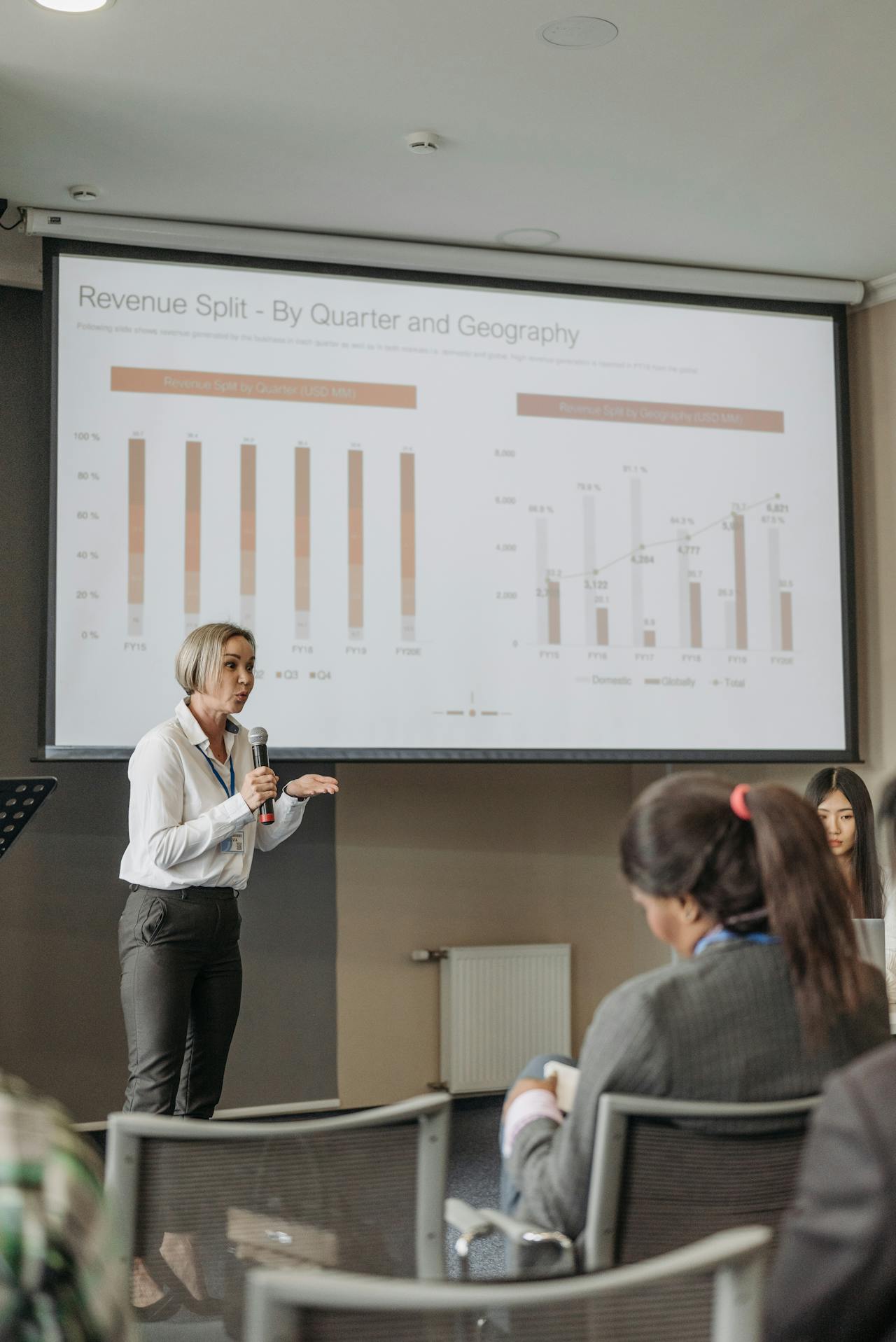
This past month, I had the privilege of joining my fellow Beyond the Broker co-authors at the Women in Insurance and Financial Services (WIFS) 2025 National Conference in Omaha, Nebraska. Together, we led a panel discussion titled “Breaking Barriers in Finance: How Women Are Redefining Success and Growth.”

A Space for Real Conversations

Our session was designed to spark honest dialogue around what it means to succeed as a woman in financial services today. From navigating independence to building client relationships rooted in authenticity, we shared personal experiences and actionable strategies that have shaped our own careers and those of the advisors we’ve coached and mentored.

The room was filled with incredible energy, genuine engagement, and powerful stories from advisors who are charting their own paths. Sometimes, the most meaningful conversations happen in intimate settings—and this session was a perfect reminder of that.

Beyond the Panel: Connection and Community

One of the greatest parts of any WIFS conference is the networking—on steroids! Throughout the event, I had the chance to reconnect with friends, collaborators, and new faces all united by a shared mission: to help women thrive personally and professionally in financial services.

The enthusiasm, openness, and collective wisdom in every conversation were deeply inspiring. I left Omaha feeling energized, motivated, and more committed than ever to supporting women as they build confidence, clarify their value, and grow thriving businesses.

Breaking Barriers in Finance: Susan Danzig Reflects on WIFS 2025

Moving Forward Together

The WIFS 2025 National Conference once again proved that when women come together to share insights and support one another, the entire industry moves forward. I’m grateful to have been part of that momentum and to continue advocating for women who are redefining what success looks like in this profession.

Thank you to everyone who attended, shared your stories, and connected during the conference. Let’s continue to break barriers—together.

???? Learn more about the WIFS National Conference
???? Explore Beyond the Broker: Navigating Financial Advisory Independence
???? Ready to grow your own practice? Let’s connect.

Should You Outsource Business Development Coaching For Your Financial Advisory Team?

Outsourcing business development coaching for your financial advisory team can inject new expertise and offer fresh perspectives from external professionals. A lot of firms experience increases in team motivation, improved sales conversations, and actionable strategies aligned with market demand. Outsourced coaches tend to be in touch with the latest tools and techniques, so teams acquire good habits that linger. For teams that want to grow quickly, external assistance can plug expertise gaps without permanent additions. Internal training can be less expensive and can align with a firm’s own culture more effectively. To decide if outsourcing is the right move, it’s useful to examine your team’s objectives, available funding, and where skills are lacking.

Key Takeaways

  • Business development coaching outsourcing offers specialized expertise, industry insights, and proven frameworks that can enhance your advisory team’s performance.
  • Outside coaches provide an objective perspective on your firm’s strengths and weaknesses, assisting in uncovering blind spots and refocusing strategies to address changing market needs.
  • Scalable outsourced coaching is equipped to handle growth, keep training consistent, and meet the evolving needs of your organization’s diverse teams.
  • This requires a careful cost-benefit analysis because outsourcing can reduce hidden costs, enhance advisor productivity, and provide a significantly better ROI than in-house programs.
  • Here’s what you want to look for when choosing an outsourcing partner: check their credentials, make sure that they align with your firm’s culture and goals, and ask for proof of measurable results.
  • To do outsourced coaching well, you need to communicate clearly, onboard the outsourcers with your culture, define success metrics, and ensure ongoing compliance with industry regulations.
Corporate Training for Financial Advisory Firms

Why Outsource Business Development Coaching?

Outsourcing business development coaching has become a viable option for financial advisory firms aiming to enhance their competitive edge in a rapidly evolving market. By partnering with Susan Danzig, firms can introduce a blend of industry expertise and objectivity that is challenging to develop internally. Working with an experienced business development coach facilitates skill growth while allowing firms to easily scale resources based on business cycles. This strategy is especially effective for international teams, who thrive on flexibility and efficiency.

1. Specialized Expertise

Experienced business development coaches from external organizations frequently have a strong understanding of the financial services industry. These experts from advisory firms have experience working with a number of advisory firms, so they have firsthand knowledge. Their job is to fine-tune and refresh your firm’s business development strategies, providing you with fresh strategies that are customized for the financial advisory reality.

One such benefit is access to coaching for specific problems to solve, such as managing business development alongside client work or adopting new technologies. This needed support is custom-fit for seller-doers, whose time is spent doing client work, not business development. By integrating specialized coaching techniques into your training schedules, you can enhance advisor performance and inspire continuous skill development.

2. Objective Perspective

Outsourced coaches provide honest, unbiased feedback. They’re not bound by internal politics or legacy processes, so their evaluations strike at what works and what doesn’t. This outside perspective helps to identify blind spots in your firm’s current approach and can expose gaps that internal teams may miss.

A little constructive criticism can ignite growth, question assumptions, and generate genuine improvement. Objective reviews help you adjust your goals to what the market and clients now expect.

3. Scalable Growth

By partnering with outsourcing providers, you can effectively scale your business operations during peak seasons and reduce your team size when it’s slower, providing crucial flexibility for growing organizations. This approach allows you to explore outsourcing solutions that enhance efficiency and adaptability.

Moreover, deploying consistent training firm-wide while customizing the program for various business models ensures that every financial advisor, whether junior or senior, receives reliable, top-notch assistance.

4. Proven Systems

Outsourced coaches bring in systems and strategies proven by other companies. These frameworks simplify your coaching, minimize guesswork, and emphasize explicit, quantifiable results.

By using proven strategies, your team works intelligently and achieves more.

5. Renewed Focus

When coaching is taken care of by an outside partner, your team can focus more time on client acquisition, engagement, and other primary work. This change minimizes interference from internal training and fosters a more efficient workspace.

Professional development is prioritized and, therefore, keeps your consultants cutting-edge and driven to succeed.

The In-House Coaching Dilemma

About The In-House Coaching Conundrum. In-house coaching allows a company greater control over how it trains its financial advisory team. In-house gurus can determine the schedule, duration, and location of each session. This aids in squeezing coaching into hectic workdays and facilitates coordinating team schedules across the globe. In-house coaches understand the company culture, pressure points, and daily grind. They can tailor advice to what the team is confronting at the moment. This is good for trust-building and keeping lessons close to the day-to-day work. For some firms, this control and deep knowledge help them save money, as they don’t have to hire an outsourcing provider each year.

Still, in-house coaching has obvious boundaries. Teams can become trapped with a single mindset. When all counsel is in-house, concepts begin to echo, and fresh means to address issues do not emerge. Bias is a real danger. In-house coaches may not notice skill gaps or may avoid difficult conversations that can propel someone forward. For instance, a coach who has toiled for years in a firm may not push back on habits or may skirt topics that challenge the status quo. This can decelerate growth and prevent teams from peaking, making it imperative to explore outsourcing solutions when necessary.

Handling in-house coaching requires tons of resources. It takes time and costs money to train a good coach. This is the case for any firm, but it becomes more difficult as the team expands. If a firm is adding new staff in new locations, it requires more coaches or more hours from the same individuals. This can spread teams too thin, rendering the coaching less valuable. Outsourcing business advisory services can bring in business growth expertise, but without familiarity with a firm’s unique ways or values. It can be expensive to hire outside coaches, but they frequently deliver new thinking and new capabilities.

The Financial Equation

Outsourcing business development coaching for financial advisory teams can transform the economics of firms. By exploring outsourcing solutions, businesses can compare internal efforts with outsourced business advisory services, examining all costs, return on investment, and how well each model supports advisors in building client relationships in a saturated market.

Cost Analysis

Cost Category

In-House Coaching (USD)

Outsourced Coaching (USD)

Trainer Salaries/Fees

50,000/year

30,000/year

Program Development

15,000

Included

Materials and Tools

5,000

2,000

Staff Time
(Lost Productivity)

20,000

5,000

Ongoing Updates

8,000

Included

Total Annual Cost

98,000

37,000

Deep internal training can hide costs not initially apparent, including staff time spent on planning and lost productivity when advisors are pulled from their primary responsibilities. For instance, if in-house sessions pull advisors from client meetings, the opportunity cost can grow quickly. Outsourced business advisory services generally combine materials, program updates, and expert advice, making their costs more straightforward to anticipate and control. While not all firms will see savings if their requirements are very specialized, utilizing an outsourcing provider can help retain full content control while still benefiting from expert guidance.

Outsourcing options can decrease attrition and develop advisor competencies more rapidly, ultimately reducing hiring and onboarding costs. For some global companies, outsourced planning providers offer custom packages that accommodate fluctuating budgets, such as monthly, quarterly, or per session. A close cost-benefit analysis can help firms see where the true value lies, weighing costs against the suitability of the coaching model for their advisor team.

ROI Projection

  1. Gather initial information on advisor productivity, client capture, and retention.
  2. Project enhancements involve examining results from comparable companies that employed outside coaching, particularly in their expansion of client interest and their portfolios.
  3. Revenue impact equals new clients multiplied by the average fee per client minus external coaching cost.
  4. Monitor advisor attrition. Measure advisor turnover and compare it to industry benchmarks.

Based on historical data, companies can predict a 10 to 20 percent increase in client retention when coaching is aimed at relational skills, which are crucial in financial advisory services. Business-challenged advisors might grow more with an outsourced business advisory services coach than they do working with a third-party lead generation consulting service, which some consider a waste of time. Firms need to track advancement over time and look for increased income and advisor contentment.

Choosing Your Partner

Choosing your partner is crucial in the realm of outsourced business advisory services, especially for financial advisors. It’s not merely about filling a gap; it’s about selecting an outsourcing provider who aligns with your long-term strategic vision and complements your trusted advisors. The most successful partnerships are those where each party understands its strengths, acknowledges its vulnerabilities, and maintains flexibility in communication and collaboration. It’s important to look beyond short-term victories and ensure the coach’s style aligns with your team’s mission and culture, while also exploring outsourcing solutions that offer customizable plans.

Assess Credentials

A nice first step is to see if the outsourced business advisory services provider’s team has the appropriate background. Seek out professional training, industry certifications, or accolades that demonstrate they understand the craft. A background in financial advising is crucial. The issues your squad grapples with, such as policy changes, customer confidence, and hard deadlines, need a mentor who speaks your language, not some generic corporate babble.

It’s always good to see some case studies or client remarks, particularly from companies of your size or market. That provides a feeling for whether the coach can pull off actual results. Some outsourcing providers exhibit client wins, but press for specifics. Were objectives achieved? Did teams experience real growth in meetings or conversions?

The best coaches are very well-connected. They know the ins and outs of the financial services world and can describe how they adjust to new market rules or technological shifts. If your team is global, ensure the provider has worked cross-culturally and can bridge gaps in work style or talk.

Verify Alignment

Make sure the coach’s values align with your own! Discuss your company’s objectives and observe whether the vendor hears you and comprehends. If your team appreciates open conversation and experience-based learning, the coach ought to do so.

Inquire how they adapt to align with your work style and team habits. Does their plan conflict with your consultants’ day-to-day methods? The right partner fits in without resistance.

Try their ideas against your business model. A good partner will never impose a one-size-fits-all plan. They will customize their curriculum to help you achieve your own goals, not just industry averages.

Request Proof

Request evidence of achievement. This might be figures such as an increase in client retention or new business signed post coaching. Explore sample plans to view your team’s activities week by week.

Seek references from other companies. Extend your network and listen for candid feedback. Did the provider keep his promise? Were the results obvious and enduring?

See if their process allows you to monitor progress. Can you see results in raw numbers, not just anecdotes? This makes it easy to judge if the partnership is working or if you need to change direction.

Corporate Training for Financial Advisory Firms

The Integration Blueprint

An integration blueprint for outsourcing business development coaching is a strategic approach to blending outside expertise into a financial advisory team’s daily operations. At Susan Danzig, we design customized integration plans that align seamlessly with your workflows, ensuring that coaching initiatives enhance, not disrupt, your existing business processes.

Our blueprints define how to embed professional coaching into your systems, establish clear communication channels, and set performance metrics that demonstrate measurable improvement. The goal is to help firms combine external insights with internal strengths, allowing business growth initiatives to run smoothly, leaner, and more effectively.

A practical integration blueprint includes these steps:

  1. Survey current biz dev flows and plan where coaching will integrate.
  2. Define all the pieces: internal groups, outside coaches, data platforms, and the links required among them.
  3. Establish open data formats and protocols so information can flow easily between your company and the coaching partner.
  4. Map out an onboarding and training timeline, along with a continuing review timeline that includes checkpoints for gauging progress.
  5. Construct feedback loops to continuously refine the integration according to advisor performance and business requirements.

Cultural Onboarding

Ensuring the outsourced coaching partner is aligned with your firm’s culture sets the stage for trust and productivity. Your onboarding should provide coaches with a strong impression of your philosophy, ethics, and team culture. Schedule in-person or virtual meetings where coaches and advisors can get to know each other and build rapport, creating a comfortable environment for both sides to operate as a single unit. By providing materials like company handbooks and client playbooks, you can customize the coaching experience to your environment. A joint onboarding session where internal teams and outsourcing providers can ask questions and establish shared goals makes everyone feel committed.

Communication Cadence

Regular communication is essential for effective vendor management and keeps integration on target. Weekly or biweekly check-ins allow both your firm and the outsourced business advisory services partner to exchange updates, flag problems, and establish near-term priorities. Determine in advance how frequently you’ll meet, what instruments you’ll use (video calls, project boards, IM), and who should attend each meeting. Advisors should feel comfortable providing immediate feedback to coaches, fostering trust and speeding up issue resolution. Utilizing a common dashboard or collaboration platform keeps everyone updated on objectives, timelines, and outcomes.

Success Metrics

The blueprint must define what success means, focusing on quantifiable objectives like percentage client growth or enhanced advisor output, essential metrics for business advisory services. By selecting key performance indicators (KPIs) and monitoring them monthly, you can explore outsourcing solutions if the numbers don’t reflect your desired gains. Celebrate victories and share wins with the team to maintain enthusiasm and support momentum.

Navigating Compliance Considerations

There is a new set of compliance considerations that come with outsourced business advisory services for financial advisory teams. While financial firms do need to scale, they must navigate compliance considerations diligently. Regulators want firms to maintain a grip on every third-party partnership, making it essential to understand what to look for when selecting an outsourcing provider and how to uphold these standards.

  • Verify that the coaching service meets all regulatory and legal compliance requirements for financial advisory work.
  • Ensure your vendor has a robust data security policy and protects sensitive client data.
  • Make sure the coach or firm has compliance training and can educate your team on recent regulations.
  • Under strict rules, establish clear policies on sharing information and managing confidential client information.
  • Check your outsourcing contract for detailed compliance responsibilities, audit schedules, and reporting requirements.
  • Establish periodic audits and reviews of compliance to identify gaps and repair them quickly.
  • Request evidence of continuous compliance training for all coaches’ personnel and your members.
  • Ensure that your partner has a track record of strong compliance without previous breaches or penalties.

Regulators now expect firms to show they can manage their vendors, especially when those vendors deal with sensitive data or compliance tasks. This means you need to check not only how the coach teaches but also how they store and utilize your client information. Strong vendor management practices, such as routine checks and risk reviews, help keep your firm compliant with the law while protecting your business. Some firms even outsource compliance checks to experts, allowing them to focus their staff on growth and client service.

Strong compliance builds lasting trust with clients and demonstrates that your firm prioritizes integrity, transparency, and accountability, values that Susan Danzig upholds in every engagement.

Final Remarks

Outsourcing business development coaching with Susan Danzig gives financial advisory teams a strategic advantage. You gain access to specialized expertise, fresh perspectives, and actionable training that produces results fast. Our team helps eliminate inefficiencies, refine advisor performance, and ensure compliance, all while maintaining focus on measurable growth.

In-house coaching can work for some, but partnering with Susan Danzig often accelerates success, deepens accountability, and helps firms adapt confidently to industry change. To move your team forward, consider which approach aligns best with your goals, and focus on results that truly drive performance.

Frequently Asked Questions

1. What Are The Main Benefits Of Outsourcing Business Development Coaching?

Outsourcing provides access to expert coaches and outsourced business advisory services, offering new perspectives and battle-tested strategies that can rapidly up-skill your team, save time, and be more cost-effective than hiring and training internally.

2. How Does Outsourced Coaching Compare To In-House Coaching?

Outsourced coaching offers expertise and flexibility, while in-house coaching may provide a more tailored approach. Both options suit different business models and objectives, making them viable outsourcing solutions.

3. Is Outsourcing Business Development Coaching Cost-Effective?

Yep, it’s usually cheaper to utilize outsourced business advisory services. This approach minimizes the costs of recruitment, training, and continued employee administration, allowing you to pay solely for what you require and optimize ROI.

4. What Should I Look For In A Business Development Coaching Partner?

Select an outsourcing provider that has a proven track record, industry experience, and results. Ensure they align with your corporate culture and can customize their business advisory services to your team’s specific requirements.

5. How Do We Ensure Compliance When Outsourcing Coaching?

Choose outsourced business advisory services partners who understand your industry’s compliance. Inquire about their compliance experience and seek references to ensure effective vendor management.

Let’s Design A Custom Program For Your Firm

At Susan Danzig, we understand that no two financial advisory teams are alike, and that’s exactly why every coaching program we build is customized to your firm’s goals, growth stage, and market position. Whether you’re exploring outsourced business development coaching for the first time or looking to enhance your existing training, we’ll help you create a structured, measurable program that drives performance and accountability across your team. From leadership alignment and communication strategies to client acquisition frameworks and compliance integration, we design every element to support sustainable, long-term success.

Let’s design a custom program for your firm, one that strengthens your advisors, scales your results, and helps you achieve the business growth you’ve been working toward. Schedule a consultation today to begin shaping your firm’s next level of success.

Case Study: How One Advisory Firm Increased Production By 30% With Structured Coaching

At Susan Danzig, we’ve seen firsthand how a well-designed coaching framework can transform an advisory firm’s performance. This case study explores how one firm increased production by 30% through structured coaching, using the same principles and strategies we teach to our clients.

The firm employed periodic goal setting, skill checks, and candid conversations with employees to identify weak points and amplify what worked. Managers partnered with staff weekly, providing transparent feedback and actionable paths for incremental growth. Rather than generalized training, the firm selected bite-sized daily activities that aligned with actual client requirements. Results followed within months as teams collaborated more effectively and reached new sales records. To share what worked, the remainder of this post will unpack the steps and tools the firm deployed and why these shifts resulted in such powerful growth.

Key Takeaways

  • Identifying production plateaus and their root causes is essential for firms seeking to increase efficiency. A structured assessment can highlight workflow inefficiencies and leadership gaps that hinder growth.
  • Working with Susan Danzig, they built a coaching framework specifically tailored to their organizational goals and best practices. This allowed the firm to approach specific performance challenges with precision and clarity.
  • Coaching sessions at regular, rhythmic intervals that promote collaboration and accountability drive learning and keep both advisors and leaders engaged in the process.
  • Leadership commitment and involvement are essential to establishing a culture of accountability and validating coaching across the firm.
  • By quantifying both the concrete aspects, including increases in production and advisor stickiness, and the less measurable aspects, such as morale and client loyalty, you can provide a more holistic perspective on coaching’s ROI.
  • Firms should expect implementation hurdles and proactively combat resistance with continued support, success stories, and adaptive approaches in order to fashion lasting productivity and growth improvements.
Corporate Training for Financial Advisory Firms

The Firm’s Production Plateau

A firm’s production plateau can stop its growth and diminish its competitive edge in a saturated market. When production output ceases to grow even as demand remains steady, firms typically encounter both increasing costs and diminishing profit margins. In other words, the advisory firm encountered a plateau. Its executives observed expenses rise and margins decline, but production remained stuck. Here is a breakdown of what caused the stagnation and its impact.

Factor

Impact

Outdated systems

Caused slow workflows and missed chances for higher output

Inefficient automated systems

Made errors more likely, led to more work, and wasted time

No standard procedures

Raised costs by 20%, cut output, and caused more mistakes

Supply chain problems

Pushed operating costs up by 20%, delayed work, and hurt reliability

Rising raw material costs

Shrunk profit margins by 15%, making it hard to keep up with competitors

Higher labor costs

Squeezed margins further, limited how much the firm could reinvest

The firm’s production plateau was still underpinned by manual checks and legacy software that simply could not keep up with the demands of its sales process. Every process step had its own thing, no communal workflow or checklist. Consequently, teams worked harder patching errors, validating work, and waiting on approvals. These measures bogged down production and obscured opportunities for identifying inefficiencies. Automated tools like jidoka were supposed to smooth things out, but without constant updating or training, these systems became a source of errors and confusion, stalling their consulting success.

A structured approach was necessary, as the firm experienced too many lost hours and too many missed opportunities to grow their client engagement strategies. Without fixed methods, it was almost impossible to measure progress or implement real change. Teams got used to plugging holes as they came up, rather than searching for root causes and permanently shutting them. This reactive mindset made it difficult to increase production or reduce expenses. To escape this rut, the firm required new processes, defined action steps for every activity, and continuous training through a robust mentorship program.

Leadership brought both the plateau and the push for change. When leaders stuck to quick fixes, problems piled up. After the leadership team began owning and seeking permanent solutions, that’s when things started changing. They realized that a little goal setting, providing your team with the appropriate tools, and making training a regular occurrence could help increase production and reduce expenses.

How Structured Coaching Worked

For the advisory firm, structured sales coaching with Susan Danzig meant a methodical process with precise milestones. It allowed space for evolution as the team learned through effective mentorship. Goals were set and checked, ensuring everyone was aware of their progress, while accountability served as the secret sauce. Group support maintained momentum and high motivation levels.

  • Conduct an initial assessment of firm capabilities and practices
  • Build a coaching framework tailored to the firm’s goals
  • Schedule regular coaching sessions for steady progress
  • Secure leadership support and model desired behaviors
  • Develop skill modules focused on real needs
  • Gather feedback and refine the coaching process continuously

1. Initial Assessment

The company began by examining advisors’ sales process and existing knowledge through business research insights. They engaged in client interactions and reviewed feedback to identify vulnerabilities, which highlighted the need for effective sales coaching. The team established concrete goals, such as the number of new client opportunities each advisor acquired and their deal-closing speed, providing a baseline for progress checks.

2. Tailored Framework

A tailored sales coaching plan was crafted around the organization’s objective, with steps aligned to daily habits. By integrating established best practices from the coaching industry, it was customized to fit the firm’s size and ideal clients. For instance, one advisor rapidly refined their website and LinkedIn profile, leading to significant improvements. This roadmap made structured coaching a success, helping another advisor secure his first paying client within just two weeks.

3. Rhythmic Sessions

Coaching was weekly, and this regular cadence ensured that lessons adhered and actions came to fruition. With each meeting building on the last, skills grew, particularly in areas like sales coaching and client engagement strategies. These sessions allowed individuals to discuss practical issues, such as pricing services or improving proposals, ultimately leading to significant improvements in business performance. Attendance was monitored, but the true evidence was in outcomes, as one consultant secured his sixth client through effective mentoring within mere group meetings.

4. Leadership Alignment

Leaders supported the coaching process from day one, participating in sessions to share victories and insights, which made sales coaching feel significant rather than a side hustle. This engagement fostered a culture of accountability and encouraged team members to keep each other honest, ultimately enhancing client engagement strategies.

5. Skill Modules

Skill modules focused on critical areas such as making proposals and setting fees, essential for effective sales coaching. Advisors practiced with real assignments, like writing a pitch or refining a marketing plan, which significantly improved their consulting success. Feedback was candid, leading one advisor to quintuple his fees after a pricing module, demonstrating the impact of structured mentorship in the consulting industry.

Measuring the 30% Increase

As Susan Danzig teaches in our coaching programs, measuring production growth begins with clear, consistent tracking of key metrics. For advisory firms, you need to know what to measure before and after coaching. Common metrics tracked include:

  • Total number of client meetings per month
  • Number of new clients onboarded
  • Revenue per advisor (in EUR or USD)
  • Client retention rates (percentage)
  • Follow-up actions completed within set timeframes
  • Volume of cross-sell or upsell activities
  • Average client satisfaction score (measured on a standardized scale)

Measuring these metrics provides companies with a baseline to evaluate shifts over time. To measure a 30% increase, the simple formula is: New Value minus Old Value divided by Old Value equals 0.30. This implies that if an advisor were at 100 client meetings per month and, after coaching, reached 130, that is a 30% increase. This estimate is easy to calculate with nice round numbers. When big data or moving targets are involved, it can get tricky. Data can flow from various sources or have a non-standard definition, which complicates obtaining accurate numbers. Some firms address this by constructing dashboards that aggregate data from all avenues and display trends in a single location. For instance, a dashboard might display total revenue per advisor rising from €10,000 to €13,000, showing without question that a 30% increase occurred.

That’s where the coach analyzes the data to determine if the coaching was effective. Companies have bar charts and line graphs to measure production increases. These graphics enable leaders and stakeholders to visualize the results quickly, simplifying the coaching’s storytelling. For instance, a paper might note that after six months of coaching, retention increased from 70% to 91% and revenue per advisor increased by 30%. These images establish confidence and demonstrate impact, particularly to teams and clients who crave evidence of expansion.

Establishing benchmarks is equally crucial for the future. Once a 30% increase is measured, firms have new numbers to base future planning on. They monitor trends and have reasonable targets, like another 10% growth next year. That cycle of measuring, reporting, and goal-setting keeps the firm focused and moving forward.

The Invisible ROI Of Coaching

Coaching often delivers more than just higher numbers. Its primary benefits are invisible on spreadsheets, yet their impact is profound. Coaching transforms the way people work and think, enabling teams to build trust, develop skills, and retain clients for the long term. Research finds that 77% of companies report a significant transformation in a key business area as a result of coaching. This transformation is more than goal attainment; it is about incremental improvements in how people collaborate and serve clients, enhancing the overall sales process.

Intangible Benefit

Effect On Business

Employee morale

More drive, less turnover

Job satisfaction

People stay, want to improve

Client retention

Clients come back, trust builds

Loyalty

Staff and clients commit longer

Coaching can get people to connect with clients differently in the long run. When employees learn to listen, establish actionable steps, and problem-solve, customers notice. Improved skills make discussions flow more easily and solutions arrive sooner, enhancing client engagement strategies. It makes clients happier and stickier. Over time, this creates trust and loyalty. Employees who experience being listened to and supported through mentoring communicate that support to customers. Companies that maintain coaching achieve greater client loyalty, which is essential for sustainable expansion.

As skills mature, employees make wiser decisions every day. Even a 10% enhancement in decision-making can lead to big wins over a two or three-year period. About 60% of executives connect coaching to actual economic value. It not only influences profits but also impacts people. When employees feel good and are equipped with the appropriate tools, their work improves, leading to better service, fewer errors, and more business from happy clients.

Fueling long-term growth by investing in people is crucial. The top performance return on investment occurs when firms view coaching as a habit, not a salve. The real test is what happens in between sessions, self-checks, experimentation, and new habit-building. Without this, coaching fades and gains vanish. Statistics illustrate the effect of coaching in 90 to 120 days, such a brilliant and fast way to grow, especially for organizations focused on consulting success.

Corporate Training for Financial Advisory Firms

Implementation Breakthroughs

Adding regimented sales coaching to an advisory firm’s work stream can significantly increase productivity. The road is strewn with potholes, and other firms encounter similar challenges when attempting to embed coaching into their everyday work processes. These obstacles are not confined to a single location; they arise in teams across various organizations.

  • Lack of buy-in from staff or managers
  • Unclear goals and weak planning
  • Fear of change or loss of control
  • Not enough support or resources
  • Poor communication between teams
  • Slow feedback and missed progress checks
  • Skills gaps and uneven training

Getting past resistance is essential, particularly when employees or leaders resist due to uncertainty about what to expect or a lack of perceived value. To address this, it is vital to be transparent about objectives and strategies. Communicate the ‘why’ and ‘how’ of coaching, and utilize business research insights to demonstrate how an implementation plan and defined objectives can accelerate outcomes. For instance, well-planned firms reach their improvement goals sixty percent more quickly. Engage people in determining these objectives so they can drive the process, and meet regularly to review progress, discuss pain points, and make necessary adjustments. This approach ensures that everyone feels heard and empowered to help mold the change.

Providing continued support and the appropriate tools is crucial for success. Teams need clear directions, checklists, and steps to implement effective client engagement strategies. Cross-training addresses skill gaps and fosters inclusion. Leadership training equips managers with tools to set a positive example and become agents of change. Maintaining open channels between staff, coaches, and leaders allows for convenient discussions about what works or does not. When things derail, viewing it as an opportunity to learn rather than a cause for blame fosters resilience and momentum.

Sharing actual successes is very helpful. For instance, a team that transitioned from ad-hoc conversations to scheduled coaching sessions experienced a 30% increase in output in under a year. Disseminating these types of stories provides hopeful and concrete evidence that the work is worthwhile. It demonstrates that the start is difficult, but the benefits can be huge for all participants.

Your Firm’s Actionable Blueprint

A smart plan is crucial for any firm seeking actionable gains in its sales coaching efforts. Seventy-one percent of leaders report their organization is flourishing when they employ a blueprint like this. The case study demonstrated, in detail, how a simple stepwise actionable plan produced a thirty percent output increase through disciplined mentoring. This blueprint for your firm’s actionable strategy helps establish the right habits, tools, and checks so that firms can achieve consulting success, even in brutal or fast-moving markets. Here’s a practical, numbered outline that any firm can follow to achieve similar success.

  1. Establish a coaching skeleton. Begin by sketching the muscle groups your squad actually requires assistance with, such as messaging, pricing, or fresh business models. Give every coach a clear focus and pair them with employees based on skill gaps and growth goals. Schedule regular sessions, weekly for the first three months, then every other week. This keeps the process moving and allows you to identify successes or problems quickly.
  2. Define milestones and timelines. Mark out micro victories that demonstrate momentum, such as completing a client pitch, sealing a deal, or conducting a pilot project. Try a 6-12 month horizon. Every two months or so, use a checkpoint to take stock and adjust the plan. This provides teams with specific objectives to build toward and enables leaders to detect patterns earlier.
  3. Use simple, universal tools. Select tools situationally: shared digital dashboards, project trackers, and feedback forms. Rely on video platforms for your coaching calls and cloud-based docs for sharing notes and goals. To accelerate AI adoption, integrate foundational AI capabilities for data verification and reporting. Twenty-four percent of firms have AI implemented firm-wide, and several executives anticipate further expansion.
  4. Prioritize upskilling and digital labor. Upskill workers so they can assume more complex work. Forty-seven percent of leaders say this is a primary objective. Give them actionable projects and authentic feedback, developing their capabilities from the start. Augment your workforce with digital labor. Forty-five percent of executives plan to augment their team with digital labor within the next 12 to 18 months.
  5. Adapt, review often. Review results every couple of months. Seek input, review impact metrics, and adjust the strategy as necessary. Executives are already hiring AI trainers to train teams on new tools and anticipate agent management becoming part of their role, freeing up precious hours each day.

Final Remarks

Structured coaching with Susan Danzig didn’t just help this firm break out of a rut. It provided the team with tangible methods to improve, work smarter, and achieve loftier targets. A 30% lift in production is eye-catching, but the real story lies with the individuals. Each individual acquired new skills, established confidence, and tracked his or her own growth daily. Coaching made the change stick because it fit the team, not just the metrics.

At Susan Danzig, we believe that structured coaching provides a specific roadmap and new momentum that any advisory firm can apply. Firms everywhere hit slowdowns or old habits that just won’t die, but with the right structure, consistency, and accountability, transformation is always within reach.

Frequently Asked Questions

1. What Is Structured Coaching In An Advisory Firm?

Structured coaching is an intentional, organized method to cultivate skills and habits, enhancing employee engagement. It leverages regular sessions, clear objectives, and quantifiable results to guide team members in the sales process.

2. How Did Coaching Lead To A 30% Production Increase?

The firm leveraged structured sales coaching to help advisors set goals, keep track of progress, and provide feedback. This approach inspired workers and improved employee engagement, generating a 30% boost.

3. What Metrics Were Used To Measure The Production Increase?

The firm monitored metrics like client acquisition, project completion, and revenues, showcasing how effective sales coaching can lead to significant improvements, as one advisory firm increased production by 30%.

4. Is Coaching Cost-Effective For Advisory Firms?

Yes. Though business coaching is an investment, the returns of higher productivity and better staff retention often justify the expenditure, leading to consulting success for numerous organizations.

5. What Are Common Challenges When Implementing Coaching?

Usual suspects include resistance to change, lack of time, and fuzzy goals. Overcoming these challenges requires effective sales coaching, leadership buy-in, clear communication, and continued training.

Schedule Your Own Assessment

Are you ready to see what structured coaching can do for your firm? At Susan Danzig, we help financial advisory teams uncover hidden growth opportunities, boost production, and build a stronger foundation for long-term success. Just like the firm in this case study, you can identify performance plateaus, strengthen your leadership alignment, and achieve measurable gains with a personalized coaching framework. Our process starts with a simple, powerful step, an individualized assessment that reveals where your firm stands today and what changes will deliver the greatest impact.

Take the first step toward transforming your firm’s performance. Schedule your own assessment with Susan Danzig today.

What Makes A Great Business Development Coach For Financial Advisor Teams?

At Susan Danzig, we help financial advisors learn how to attract more ideal clients without burning out by focusing on people skills, time use, and sustainable systems. Advisors who listen well, establish healthy boundaries, and apply intelligent technology tend to gain client confidence and maintain their practice with ease. Providing regular feedback, sharing real-life stories, and encouraging advisors to celebrate their victories all contribute to enhanced team development and morale. Training is most effective when it blends real-world experience with collaborative learning, so advisors develop habits that last. By leveraging these fundamentals, Susan Danzig helps firms and advisors attract ideal clients while keeping burnout low.

Key Takeaways

  • By knowing exactly what ideal clients look like and require, financial advisors can customize their offerings, focus their promotion, and provide more targeted engagement even in different markets.
  • Instead, by embracing a sustainable training framework that combines both technical and interpersonal skills and structured feedback mechanisms, you foster long-term advisor growth and alignment with organizational goals.
  • Instilling a growth mindset and self-reflection in advisors promotes resilience, prevents burnout, and nurtures lifelong learning.
  • By bringing clarity around niche markets and a clear value proposition, you help advisors attract and retain ideal clients, those best suited to their strengths, for more fulfilling and effective relationships.
  • By developing sustainable marketing and intentional networking strategies backed by digital tools, regular communication, and relationship-building experts, advisors extend their reach without sacrificing themselves.
  • Leadership needs to take the lead in advisor well-being, setting the tone with example, modeling sustainable work-life balance, and providing opportunities for personal and professional development, and routinely measuring the KPIs that ensure advisors stay happy and successful.
Corporate Training for Financial Advisory Firms

Redefine The “Ideal Client”

Training financial advisors to bring in more ideal clients begins with a solid understanding of who those clients really are. At Susan Danzig, we emphasize the importance of aligning the right financial advice to the right person so advisors spend their time and talents where they work best. Certain advisors flourish assisting doctors with student loans, while others excel in helping pre-retirees prepare for early retirement and travel. Once advisors know these details, they can tailor their services, speak directly to those clients’ needs, and avoid mismatched relationships.

Knowing your ideal client is about more than just numbers or job titles. It’s about understanding what drives these customers, what fears they have, and what economic challenges they face. A doctor with a big student loan balance may need tips for how to pay off debt while building a practice. A friend flirting with retirement might require advice on income planning, health insurance decisions, or smart Roth conversions. Advisors who dig deep into a particular group can bring more to the table. They know more hacks, resources, and alternatives that suit those individuals best. That results in more trust and greater outcomes for both parties, enhancing the overall client engagement experience.

With a well-defined profile of the client they desire, advisors can adjust their marketing and outreach accordingly. They don’t have to continue to spray and pray. Instead, they can leverage real-world narratives, case studies, or even workshops that resonate directly with their ideal audience. This simplifies demonstrating how they differ from other financial services firms that attempt to be all things to all people. For instance, a financial advisor with specialized expertise in assisting early retirees can emphasize that in their web bios, slide decks, and lectures.

It’s just as important to redefine what makes a great selling advisor for each client segment. That is, listing skills, traits, or training areas that fit the needs of the ideal client. For instance, an advisor to doctors might require expertise related to loan repayment programs, whereas one for world travelers could emphasize global tax regulations or insurance for expats. Training can then focus on these points, ensuring each advisor develops deep expertise in the areas that count, ultimately leading to a more successful advisory practice.

The Sustainable Advisor Training Framework

The Susan Danzig Sustainable Advisor Training Framework helps financial advisors build strong client relationships, deliver great service, and prevent burnout. It’s flexible, measurable, and designed to develop long-term advisor effectiveness.

1. Mindset First

Establishing a sustainable practice as a financial advisor begins with mindset. Growth-minded advisors are more adaptable to change and more resilient in the face of setbacks. Self-reflection is crucial, assisting every advisor in identifying their strengths and opportunities to improve their client engagement. By fostering a constructive perspective on adversity, financial services firms can mitigate burnout risk and encourage sustainable involvement. Mindset training should be integrated into continuous coaching through real-world examples, like how to respond to a client’s objection or react to a market downturn. This consistent emphasis on mindset enables advisors to develop habits that sustain their mental health and professional satisfaction.

2. Niche Clarity

A well-defined niche enables financial advisors to attract the perfect clients. Workshops allow these advisors to explore market voids and their own passions, helping them double down on the areas where their expertise is most needed. For instance, a tech-savvy advisor can focus on first-time entrepreneurs, while resource guides outline niche opportunities and showcase successful advisors’ case studies, teaching them how to differentiate themselves in a crowded market.

3. Value Proposition

Advisors need to understand and articulate their worth in the financial services industry. Training can leverage templates and case studies to assist advisors in constructing succinct messages that demonstrate how they provide valuable financial advice. For instance, a case study may track a seasoned advisor who specializes in socially responsible investing and helps clients attain both their financial and ethical objectives. Advisors must train in explaining fees and illustrating how these correspond to the great service they provide.

4. Sustainable Marketing

Marketing that aligns with the financial advisor’s brand and goals is crucial. Digital tools, such as blog or tweet-sized updates, enable advisors to touch more prospective clients without experiencing financial advisor burnout. A sample content calendar might recommend monthly posts or quarterly newsletters based on client engagement. Checking marketing metrics, such as content reach or prospect conversion, allows successful advisors to adjust strategies and maintain effective outreach.

5. Intentional Networking

Building relationships is at the heart of long-term success for financial advisors. They should eschew quantity in favor of quality, focusing on qualitative, interesting relations with their client base and peers. Networking events, both in-person and virtual, may be organized around client interests or industry trends. Communication training refines listening and rapport-building skills, ensuring that advisors provide great service. A straightforward checklist, such as ‘ask open questions’ or ‘follow up within one week,’ keeps networking purposeful and effective.

Build Anti-Burnout Systems

Burnout is not an event;t, it grows incrementally in the daily grind. Training financial advisors to magnetically attract better clients is about building anti-burnout systems. What matters most is slicing the workload into obvious chunks. Begin by asking advisors to track tasks half hourly. Identify these activities by category: client calls, administrative work, planning, or breaks. When advisors see where hours go, they spot waste and can cut low-value tasks. If a daily log reveals that admin work consumes the majority of the day, leaders can redeploy support personnel to relieve the advisor for client-facing hours. This pivot aids every advisor in leveraging his or her strengths, cultivating their expertise, and endurance.

Workload management doesn’t end with tallying tasks. Two focused hours frequently trounce six hours of stop-and-start. Have advisors carve out time for deep work, financial plans, and client outreach, then put down phones and email. You get better results with this approach and reduce stress as well. Regular breaks aren’t just nice to have; they’re essential. Short walks, stretching, or quiet time between meetings aid mind reset. Advisors need to set a timer to stand up every hour and actually take a lunch break, not eat at their desk. Self-care is more than just breaks; writing down work goals each day, even small ones, can increase self-efficacy and combat burnout.

A solid peer network within the firm matters. Establish support channels, such as weekly team check-ins or shared digital boards, that allow advisors to exchange victories, discuss challenging cases, and collaborate. Once teams see where time is spent, they can intelligently shift work and assist each other. Advisors often wear many hats: they serve clients, sell new services, and run business tasks. It aids in dividing these tasks where possible and aligns them to each team member’s strengths. Build anti-burnout systems, such as mastery exercises, role play, case studies, and more, to make advisors feel prepared for every aspect of their work. Tracking workloads and setting transparent, equitable expectations is crucial. If you’re managing too many roles, modify your expectations or add assistance to control stress.

Corporate Training for Financial Advisory Firms

Leadership’s Critical Role

Leadership defines the manner in which financial advisors practice, how they develop, and how they serve their clients. In an industry where consumers expect more than stock picks, leadership must remain honest, transparent, and accessible. Successful advisors prescribe the moral tenor for both ethics and trust, forming the foundation of long-term customer loyalty. Good leaders ensure that clients feel listened to, valued, and cared about, which is crucial for maintaining a strong client base when there are so many other choices. Leadership’s critical role is to provide direction, assist teams with focus, and demonstrate how to prioritize the client.

Empower Leaders To Model Healthy Work-Life Balance For Their Teams

All day and all night, leaders can drive teams too hard. If a manager never rests, consultants might believe they need to work around the clock. This causes stress and burnout, damaging both team and client engagement. When leaders model working hours and taking time off, they demonstrate that balance isn’t merely permitted, it’s required. There’s nothing like leaders explaining how they approach work and rest to set a real example. Advisors who feel like they can take care of their own lives will do better work and build stronger client ties, ultimately becoming successful advisors.

Provide Leadership Training Focused On Supporting Advisor Development

It’s not about policy or statistics; it’s about how to lead with dignity and direct others during difficult moments. Effective training enables leaders to recognize when a financial advisor is bogged down or in need, equipping them with tools to help develop their client base, such as feedback, coaching, and praise. This training may teach leadership how to create trust and clarity of purpose, allowing advisors to focus on providing solid, truthful financial advice.

Encourage Open Communication Between Leadership And Advisors To Address Concerns

Open talk helps identify issues before they fester, which is crucial for financial advisors who aim to maintain a healthy client base. Leaders who facilitate making it easy to share thoughts or concerns foster trust within their teams. Scheduled check-ins or team meetings ensure advisors feel safe to speak up, ask questions, or share client feedback. If advisors can discuss their distress or effort, leaders can intervene prior to burnout. ‘Clear talk’ is useful for planning client meeting schedules and reviewing whether everyone is satisfied with how things operate.

Establish A Mentorship Program To Guide New Advisors Through Challenges

New advisors face numerous unknowns, and errors can lead to losing clients. A mentorship program pairs newer team members with seasoned advisors who have navigated the financial services landscape. Mentors provide valuable financial advice, teach how to approach difficult client conversations, and coach on effective strategies for decision-making. This support not only enables new advisors to learn faster but also fosters camaraderie and maintains a team focus on the same high expectations.

Measure What Truly Matters

When training financial advisors to win and retain ideal clients, it’s essential to look beyond the topline numbers and measure what truly matters to both trusted clients and advisors. Clients don’t abandon their advisors due to bad advice, weak relationships, or confusing fees; rather, they seek great service advisors who can adapt to their needs. Advisors aiming to differentiate themselves must understand the factors that drive retention and attrition, allowing them to refine their practices effectively.

A good starting point for successful advisors is defining practical means of measuring success through key performance indicators (KPIs). Client feedback is crucial for actual progress. Advisors should ask clients if the financial advice aligns with their goals, if communication is effective, and if they feel valued beyond just their investments. Some customers prefer monthly discussions, while others appreciate quarterly check-ins. By demystifying these preferences upfront, advisors can inspire confidence and avoid feelings of futility.

  1. Client Retention Rate: Count how many clients stay with the advisor year over year. High rates indicate strong relationships and good service.
  2. Net Promoter Score (NPS): Measures how likely clients are to recommend the advisor, which shows trust and satisfaction.
  3. Client Feedback Scores: Collect regular feedback on advice quality, communication, and service range. This provides a guide to where to improve.
  4. Time Spent On High-Impact Activities: Use a simple time audit to see how much time goes to activities that grow the business or add real value for clients.
  5. Revenue Per Ideal Client: Track what each ideal client brings in each year to see if the advisor is working with the right people.
  6. Advisor Satisfaction and Burnout Levels: Use rapid-fire surveys to monitor advisor stress, workload, and job satisfaction.

Advisors can stand out by offering more than just portfolio assistance. They should consider providing cash flow plans, tax tips, or guidance for business owners on retirement plans. Understanding who their ideal client is allows advisors to tailor their services accordingly instead of trying to appeal to everyone.

Periodic check-ins on these metrics and feedback ensure that firms keep their training and support aligned with client engagement. Advisors should focus on what works, scale successful strategies, and maintain a commitment to both client and advisor satisfaction.

The Future Of Advisor Development

The future of financial advisor growth is poised at the intersection of transformation and demand. With client perspectives changing, particularly as they near retirement, advisors must now see beyond the numbers. Many clients, 41%, either continue working or seek new employment after they retire. Future-ready advisors will have to assist with more life planning, not just money planning. This shift emphasizes the importance of providing comprehensive financial advice that encompasses all aspects of a client’s life.

Advisors can transition from fresh to proficient sales advisors quickly, typically within 3 to 12 months, only when the training is intelligent and continuous. To stay current in a rapidly evolving industry, advisory firms need to experiment with their training. That might involve increased peer learning, brief online courses, or experiential workshops. Firms must keep training fresh so advisors stay sharp and don’t burn out. Sustainable growth comes from consistent support and defined opportunities for skill development, not just a shove to get the sale.

Tech is a bigger part of the advisor role now. Leveraging tools such as generative AI can save you up to 3.3 hours a week, creating room for those more advanced client tasks. Advisors who identify which work to outsource, such as data entry and report generation, and leverage intelligent tools for monotonous tasks, will accomplish more with less anxiety. This means advisors can focus more time on things requiring their personal touch, such as client conversations and relationship building, which is crucial for maintaining a strong client base.

One giant leap is recognizing the need to plan better. Although just 43% of advisors have a business plan in writing, those who do experience 50% faster growth. It proves that measuring your goals and having clear ones changes things. Advisors should be educated to strategize, monitor progress, and pivot. That way, they can stay ahead of changes in client demands and the industry, ensuring they remain effective in their financial services practice.

Specialization is another trend. Advisors who niche, say tech workers or expats, convert and grow more. That implies future training ought to assist advisors in identifying their niche and learning the skills required for that space. Meanwhile, cost containment is crucial. Growth-minded advisors invest approximately 7% of their revenue to attract new clients, less than the rest, demonstrating the importance of intelligent, targeted marketing.

Final Remarks

At Susan Danzig, we believe that training financial advisors for long-term success means focusing on real skills and real support. Smart goals, consistent training, and robust systems help advisors thrive. Great leaders create room for candid conversations and provide steady, actionable feedback. Measure improvement with real numbers, not just anecdotes, and stay open to fresh ideas and innovative tools. Top-performing teams know what works, fix what doesn’t, and celebrate progress.

To attract more ideal clients, help advisors build confidence, maintain healthy work habits, and grow sustainably. Every team can start small, try a new habit, test a new strategy, and seek feedback. Continue learning with Susan Danzig. Share what’s working for your firm or reach out to start a conversation about what’s next.

Frequently Asked Questions

1. How Can Financial Advisors Define Their “Ideal Client”?

Be very specific about the type of prospective clients you serve best, including their traits, needs, and values. Utilize data and feedback to polish this profile for effective client engagement and outcomes.

2. What Is A Sustainable Advisor Training Framework?

A sustainable framework for financial advisors focuses on long-term skills, continuous learning, and well-being, providing actionable training and mentorship to prevent financial advisor burnout.

3. How Do Anti-Burnout Systems Help Financial Advisors?

They help you enforce a healthy work-life balance, maintain boundaries, and take regular breaks! This support keeps financial advisors inspired and energized to serve more prospective clients.

4. How Can Firms Prepare Advisors For Future Client Needs?

Providing continuous education and fostering flexibility helps financial advisors stay relevant, ensuring they can meet client engagement needs and implement effective strategies.

5. How Does Training Reduce Advisor Burnout?

Good training for financial advisors teaches time management, self-care, and effective strategies for stress reduction, ensuring they do not experience burnout.

Learn More About Coaching Packages

Ready to help your team attract more ideal clients without the burnout? At Susan Danzig, we offer personalized coaching packages designed to strengthen your advisors’ skills, clarify your firm’s message, and build systems that support long-term growth. Whether you’re looking to refine your niche, create stronger client connections, or train your team for measurable results, we’re here to help. Learn more about our coaching packages and discover how we can help your advisors thrive with clarity, confidence, and purpose. Connect with us today.

How To Train Your Financial Advisors To Attract More Ideal Clients – Without Burning Out

At Susan Danzig, we help financial advisors learn how to attract more ideal clients without burning out by focusing on people skills, time use, and sustainable systems. Advisors who listen well, establish healthy boundaries, and apply intelligent technology tend to gain client confidence and maintain their practice with ease. Providing regular feedback, sharing real-life stories, and encouraging advisors to celebrate their victories all contribute to enhanced team development and morale. Training is most effective when it blends real-world experience with collaborative learning, so advisors develop habits that last. By leveraging these fundamentals, Susan Danzig helps firms and advisors attract ideal clients while keeping burnout low.

Key Takeaways

  • By knowing exactly what ideal clients look like and require, financial advisors can customize their offerings, focus their promotion, and provide more targeted engagement even in different markets.
  • Instead, by embracing a sustainable training framework that combines both technical and interpersonal skills and structured feedback mechanisms, you foster long-term advisor growth and alignment with organizational goals.
  • Instilling a growth mindset and self-reflection in advisors promotes resilience, prevents burnout, and nurtures lifelong learning.
  • By bringing clarity around niche markets and a clear value proposition, you help advisors attract and retain ideal clients, those best suited to their strengths, for more fulfilling and effective relationships.
  • By developing sustainable marketing and intentional networking strategies backed by digital tools, regular communication, and relationship-building experts, advisors extend their reach without sacrificing themselves.
  • Leadership needs to take the lead in advisor well-being, setting the tone with example, modeling sustainable work-life balance, and providing opportunities for personal and professional development, and routinely measuring the KPIs that ensure advisors stay happy and successful.
Corporate Training for Financial Advisory Firms

Redefine The “Ideal Client”

Training financial advisors to bring in more ideal clients begins with a solid understanding of who those clients really are. At Susan Danzig, we emphasize the importance of aligning the right financial advice to the right person so advisors spend their time and talents where they work best. Certain advisors flourish assisting doctors with student loans, while others excel in helping pre-retirees prepare for early retirement and travel. Once advisors know these details, they can tailor their services, speak directly to those clients’ needs, and avoid mismatched relationships.

Knowing your ideal client is about more than just numbers or job titles. It’s about understanding what drives these customers, what fears they have, and what economic challenges they face. A doctor with a big student loan balance may need tips for how to pay off debt while building a practice. A friend flirting with retirement might require advice on income planning, health insurance decisions, or smart Roth conversions. Advisors who dig deep into a particular group can bring more to the table. They know more hacks, resources, and alternatives that suit those individuals best. That results in more trust and greater outcomes for both parties, enhancing the overall client engagement experience.

With a well-defined profile of the client they desire, advisors can adjust their marketing and outreach accordingly. They don’t have to continue to spray and pray. Instead, they can leverage real-world narratives, case studies, or even workshops that resonate directly with their ideal audience. This simplifies demonstrating how they differ from other financial services firms that attempt to be all things to all people. For instance, a financial advisor with specialized expertise in assisting early retirees can emphasize that in their web bios, slide decks, and lectures.

It’s just as important to redefine what makes a great selling advisor for each client segment. That is, listing skills, traits, or training areas that fit the needs of the ideal client. For instance, an advisor to doctors might require expertise related to loan repayment programs, whereas one for world travelers could emphasize global tax regulations or insurance for expats. Training can then focus on these points, ensuring each advisor develops deep expertise in the areas that count, ultimately leading to a more successful advisory practice.

The Sustainable Advisor Training Framework

The Susan Danzig Sustainable Advisor Training Framework helps financial advisors build strong client relationships, deliver great service, and prevent burnout. It’s flexible, measurable, and designed to develop long-term advisor effectiveness.

1. Mindset First

Establishing a sustainable practice as a financial advisor begins with mindset. Growth-minded advisors are more adaptable to change and more resilient in the face of setbacks. Self-reflection is crucial, assisting every advisor in identifying their strengths and opportunities to improve their client engagement. By fostering a constructive perspective on adversity, financial services firms can mitigate burnout risk and encourage sustainable involvement. Mindset training should be integrated into continuous coaching through real-world examples, like how to respond to a client’s objection or react to a market downturn. This consistent emphasis on mindset enables advisors to develop habits that sustain their mental health and professional satisfaction.

2. Niche Clarity

A well-defined niche enables financial advisors to attract the perfect clients. Workshops allow these advisors to explore market voids and their own passions, helping them double down on the areas where their expertise is most needed. For instance, a tech-savvy advisor can focus on first-time entrepreneurs, while resource guides outline niche opportunities and showcase successful advisors’ case studies, teaching them how to differentiate themselves in a crowded market.

3. Value Proposition

Advisors need to understand and articulate their worth in the financial services industry. Training can leverage templates and case studies to assist advisors in constructing succinct messages that demonstrate how they provide valuable financial advice. For instance, a case study may track a seasoned advisor who specializes in socially responsible investing and helps clients attain both their financial and ethical objectives. Advisors must train in explaining fees and illustrating how these correspond to the great service they provide.

4. Sustainable Marketing

Marketing that aligns with the financial advisor’s brand and goals is crucial. Digital tools, such as blog or tweet-sized updates, enable advisors to touch more prospective clients without experiencing financial advisor burnout. A sample content calendar might recommend monthly posts or quarterly newsletters based on client engagement. Checking marketing metrics, such as content reach or prospect conversion, allows successful advisors to adjust strategies and maintain effective outreach.

5. Intentional Networking

Building relationships is at the heart of long-term success for financial advisors. They should eschew quantity in favor of quality, focusing on qualitative, interesting relations with their client base and peers. Networking events, both in-person and virtual, may be organized around client interests or industry trends. Communication training refines listening and rapport-building skills, ensuring that advisors provide great service. A straightforward checklist, such as ‘ask open questions’ or ‘follow up within one week,’ keeps networking purposeful and effective.

Build Anti-Burnout Systems

Burnout is not an event;t, it grows incrementally in the daily grind. Training financial advisors to magnetically attract better clients is about building anti-burnout systems. What matters most is slicing the workload into obvious chunks. Begin by asking advisors to track tasks half hourly. Identify these activities by category: client calls, administrative work, planning, or breaks. When advisors see where hours go, they spot waste and can cut low-value tasks. If a daily log reveals that admin work consumes the majority of the day, leaders can redeploy support personnel to relieve the advisor for client-facing hours. This pivot aids every advisor in leveraging his or her strengths, cultivating their expertise, and endurance.

Workload management doesn’t end with tallying tasks. Two focused hours frequently trounce six hours of stop-and-start. Have advisors carve out time for deep work, financial plans, and client outreach, then put down phones and email. You get better results with this approach and reduce stress as well. Regular breaks aren’t just nice to have; they’re essential. Short walks, stretching, or quiet time between meetings aid mind reset. Advisors need to set a timer to stand up every hour and actually take a lunch break, not eat at their desk. Self-care is more than just breaks; writing down work goals each day, even small ones, can increase self-efficacy and combat burnout.

A solid peer network within the firm matters. Establish support channels, such as weekly team check-ins or shared digital boards, that allow advisors to exchange victories, discuss challenging cases, and collaborate. Once teams see where time is spent, they can intelligently shift work and assist each other. Advisors often wear many hats: they serve clients, sell new services, and run business tasks. It aids in dividing these tasks where possible and aligns them to each team member’s strengths. Build anti-burnout systems, such as mastery exercises, role play, case studies, and more, to make advisors feel prepared for every aspect of their work. Tracking workloads and setting transparent, equitable expectations is crucial. If you’re managing too many roles, modify your expectations or add assistance to control stress.

Corporate Training for Financial Advisory Firms

Leadership’s Critical Role

Leadership defines the manner in which financial advisors practice, how they develop, and how they serve their clients. In an industry where consumers expect more than stock picks, leadership must remain honest, transparent, and accessible. Successful advisors prescribe the moral tenor for both ethics and trust, forming the foundation of long-term customer loyalty. Good leaders ensure that clients feel listened to, valued, and cared about, which is crucial for maintaining a strong client base when there are so many other choices. Leadership’s critical role is to provide direction, assist teams with focus, and demonstrate how to prioritize the client.

Empower Leaders To Model Healthy Work-Life Balance For Their Teams

All day and all night, leaders can drive teams too hard. If a manager never rests, consultants might believe they need to work around the clock. This causes stress and burnout, damaging both team and client engagement. When leaders model working hours and taking time off, they demonstrate that balance isn’t merely permitted, it’s required. There’s nothing like leaders explaining how they approach work and rest to set a real example. Advisors who feel like they can take care of their own lives will do better work and build stronger client ties, ultimately becoming successful advisors.

Provide Leadership Training Focused On Supporting Advisor Development

It’s not about policy or statistics; it’s about how to lead with dignity and direct others during difficult moments. Effective training enables leaders to recognize when a financial advisor is bogged down or in need, equipping them with tools to help develop their client base, such as feedback, coaching, and praise. This training may teach leadership how to create trust and clarity of purpose, allowing advisors to focus on providing solid, truthful financial advice.

Encourage Open Communication Between Leadership And Advisors To Address Concerns

Open talk helps identify issues before they fester, which is crucial for financial advisors who aim to maintain a healthy client base. Leaders who facilitate making it easy to share thoughts or concerns foster trust within their teams. Scheduled check-ins or team meetings ensure advisors feel safe to speak up, ask questions, or share client feedback. If advisors can discuss their distress or effort, leaders can intervene prior to burnout. ‘Clear talk’ is useful for planning client meeting schedules and reviewing whether everyone is satisfied with how things operate.

Establish A Mentorship Program To Guide New Advisors Through Challenges

New advisors face numerous unknowns, and errors can lead to losing clients. A mentorship program pairs newer team members with seasoned advisors who have navigated the financial services landscape. Mentors provide valuable financial advice, teach how to approach difficult client conversations, and coach on effective strategies for decision-making. This support not only enables new advisors to learn faster but also fosters camaraderie and maintains a team focus on the same high expectations.

Measure What Truly Matters

When training financial advisors to win and retain ideal clients, it’s essential to look beyond the topline numbers and measure what truly matters to both trusted clients and advisors. Clients don’t abandon their advisors due to bad advice, weak relationships, or confusing fees; rather, they seek great service advisors who can adapt to their needs. Advisors aiming to differentiate themselves must understand the factors that drive retention and attrition, allowing them to refine their practices effectively.

A good starting point for successful advisors is defining practical means of measuring success through key performance indicators (KPIs). Client feedback is crucial for actual progress. Advisors should ask clients if the financial advice aligns with their goals, if communication is effective, and if they feel valued beyond just their investments. Some customers prefer monthly discussions, while others appreciate quarterly check-ins. By demystifying these preferences upfront, advisors can inspire confidence and avoid feelings of futility.

  1. Client Retention Rate: Count how many clients stay with the advisor year over year. High rates indicate strong relationships and good service.
  2. Net Promoter Score (NPS): Measures how likely clients are to recommend the advisor, which shows trust and satisfaction.
  3. Client Feedback Scores: Collect regular feedback on advice quality, communication, and service range. This provides a guide to where to improve.
  4. Time Spent On High-Impact Activities: Use a simple time audit to see how much time goes to activities that grow the business or add real value for clients.
  5. Revenue Per Ideal Client: Track what each ideal client brings in each year to see if the advisor is working with the right people.
  6. Advisor Satisfaction and Burnout Levels: Use rapid-fire surveys to monitor advisor stress, workload, and job satisfaction.

Advisors can stand out by offering more than just portfolio assistance. They should consider providing cash flow plans, tax tips, or guidance for business owners on retirement plans. Understanding who their ideal client is allows advisors to tailor their services accordingly instead of trying to appeal to everyone.

Periodic check-ins on these metrics and feedback ensure that firms keep their training and support aligned with client engagement. Advisors should focus on what works, scale successful strategies, and maintain a commitment to both client and advisor satisfaction.

The Future Of Advisor Development

The future of financial advisor growth is poised at the intersection of transformation and demand. With client perspectives changing, particularly as they near retirement, advisors must now see beyond the numbers. Many clients, 41%, either continue working or seek new employment after they retire. Future-ready advisors will have to assist with more life planning, not just money planning. This shift emphasizes the importance of providing comprehensive financial advice that encompasses all aspects of a client’s life.

Advisors can transition from fresh to proficient sales advisors quickly, typically within 3 to 12 months, only when the training is intelligent and continuous. To stay current in a rapidly evolving industry, advisory firms need to experiment with their training. That might involve increased peer learning, brief online courses, or experiential workshops. Firms must keep training fresh so advisors stay sharp and don’t burn out. Sustainable growth comes from consistent support and defined opportunities for skill development, not just a shove to get the sale.

Tech is a bigger part of the advisor role now. Leveraging tools such as generative AI can save you up to 3.3 hours a week, creating room for those more advanced client tasks. Advisors who identify which work to outsource, such as data entry and report generation, and leverage intelligent tools for monotonous tasks, will accomplish more with less anxiety. This means advisors can focus more time on things requiring their personal touch, such as client conversations and relationship building, which is crucial for maintaining a strong client base.

One giant leap is recognizing the need to plan better. Although just 43% of advisors have a business plan in writing, those who do experience 50% faster growth. It proves that measuring your goals and having clear ones changes things. Advisors should be educated to strategize, monitor progress, and pivot. That way, they can stay ahead of changes in client demands and the industry, ensuring they remain effective in their financial services practice.

Specialization is another trend. Advisors who niche, say tech workers or expats, convert and grow more. That implies future training ought to assist advisors in identifying their niche and learning the skills required for that space. Meanwhile, cost containment is crucial. Growth-minded advisors invest approximately 7% of their revenue to attract new clients, less than the rest, demonstrating the importance of intelligent, targeted marketing.

Final Remarks

At Susan Danzig, we believe that training financial advisors for long-term success means focusing on real skills and real support. Smart goals, consistent training, and robust systems help advisors thrive. Great leaders create room for candid conversations and provide steady, actionable feedback. Measure improvement with real numbers, not just anecdotes, and stay open to fresh ideas and innovative tools. Top-performing teams know what works, fix what doesn’t, and celebrate progress.

To attract more ideal clients, help advisors build confidence, maintain healthy work habits, and grow sustainably. Every team can start small, try a new habit, test a new strategy, and seek feedback. Continue learning with Susan Danzig. Share what’s working for your firm or reach out to start a conversation about what’s next.

Frequently Asked Questions

1. How Can Financial Advisors Define Their “Ideal Client”?

Be very specific about the type of prospective clients you serve best, including their traits, needs, and values. Utilize data and feedback to polish this profile for effective client engagement and outcomes.

2. What Is A Sustainable Advisor Training Framework?

A sustainable framework for financial advisors focuses on long-term skills, continuous learning, and well-being, providing actionable training and mentorship to prevent financial advisor burnout.

3. How Do Anti-Burnout Systems Help Financial Advisors?

They help you enforce a healthy work-life balance, maintain boundaries, and take regular breaks! This support keeps financial advisors inspired and energized to serve more prospective clients.

4. How Can Firms Prepare Advisors For Future Client Needs?

Providing continuous education and fostering flexibility helps financial advisors stay relevant, ensuring they can meet client engagement needs and implement effective strategies.

5. How Does Training Reduce Advisor Burnout?

Good training for financial advisors teaches time management, self-care, and effective strategies for stress reduction, ensuring they do not experience burnout.

Learn More About Coaching Packages

Ready to help your team attract more ideal clients without the burnout? At Susan Danzig, we offer personalized coaching packages designed to strengthen your advisors’ skills, clarify your firm’s message, and build systems that support long-term growth. Whether you’re looking to refine your niche, create stronger client connections, or train your team for measurable results, we’re here to help. Learn more about our coaching packages and discover how we can help your advisors thrive with clarity, confidence, and purpose. Connect with us today.

Why Financial Advisory Firms Need A 90-Day Marketing Plan At The Team Level

At Susan Danzig, we help financial advisory firms create practical 90-day marketing plans that keep teams focused, accountable, and agile. A short plan allows teams to understand what works and what doesn’t, so they can better utilize their time and money. Teams can experiment with concepts, connect with more individuals, and collaborate with less ambiguity. In an industry where regulations and client needs change frequently, a 90-day plan provides a method to remain agile and identify emerging trends. Powerhouse firms with solid team planning can move much faster than those on the old slow track. In the sections below, we discuss how a 90-day plan works and why it’s a good fit for the reality of financial advisory teams.

Key Takeaways

  • A 90-day marketing plan at the team level makes financial advisory firms agile, able to react quickly to changes in the industry and their clients’ needs with informed, data-driven decisions.
  • Well-defined, just enough, short-term planning fosters clear accountability. Everyone knows what they’re responsible for and is held accountable to specific performance metrics.
  • The key to success is having focused, achievable milestones along the way.
  • By focusing on big-impact marketing activities and strategically allocating resources, you can maximize your results. Regular review processes allow you to refine your approach for optimum effectiveness.
  • By standardizing compliance protocols and documenting marketing processes, firms minimize regulatory risks. This helps them consistently deliver client communications that are compliant and trustworthy across channels.
  • By tracking metrics like lead velocity, client acquisition, and engagement rates, the firm can continuously optimize its efforts and tie marketing activities to tangible value.
Corporate Training for Financial Advisory Firms

Why A 90-Day Marketing Plan

A 90-day marketing plan serves as an effective marketing strategy for financial advisory teams, providing actionable milestones to achieve business objectives. At Susan Danzig, we’ve seen that this type of comprehensive plan brings focus, priorities, and real progress to marketing teams. When everyone understands their roles and timelines, teams can move quickly, learn efficiently, and create a substantial impact in client reach and sustainable growth. With a fixed deadline, new managers can swiftly assess the firm’s needs and implement intelligent changes immediately.

1. Unmatched Agility

A 90-day plan helps teams adapt fast in a market that never stands still. With real-time data, teams can identify trends sooner and adjust their financial advisor marketing strategies with less lag. This velocity is crucial when client demands realignment or fresh regulations emerge in financial markets. Teams can trial new concepts, discover what works, and eliminate what doesn’t, all within weeks. Rapid feedback loops allow teams to tweak their effective marketing plans before they fizzle, helping them to stay one step ahead of the competition. If a digital ad-driven campaign isn’t generating leads after two weeks, the team can pivot to webinars or direct outreach without waiting until a quarterly review.

2. Clearer Accountability

Once everyone has assigned tasks and deadlines, things get done on time and with less confusion. With shared dashboards, everyone can easily visualize progress and identify where assistance is required. Metrics such as the number of new leads, event sign-ups, or revenue growth indicate whether each person is accomplishing goals, which is crucial for an effective marketing plan. Monitoring in this fashion creates confidence, allowing financial advisors to own their parts while team leaders can identify gaps swiftly. This makes it easier to level workloads and acknowledge quality work.

3. Sustained Momentum

Short milestones, whether weekly or monthly, help maintain enthusiasm. Little victories accumulate, motivating teams even when larger objectives are more time-consuming. At Susan Danzig, we often remind firms that marketing isn’t a sprint; consistency builds visibility and trust. A 90-day plan helps make social posts, newsletters, or webinars habits, not afterthoughts.

4. Intense Focus

A brief plan compels teams to choose what is important. Rather than pursuing every trend, they focus their efforts on two or three significant initiatives aligned with the firm’s objectives, such as developing a referral marketing program or introducing a new service to attract prospective clients. Teams ideate, pilot, and iterate in a hurry, ensuring every initiative, including the financial advisor marketing plan, receives the focus and support it demands. Obvious criteria for selecting projects, like anticipated impact or fit with customer demand, aid groups in knowing how to decide what to do and what to abandon.

5. Team Alignment

Alignment begins when everyone understands the big picture and where their work fits in. Team meetings, either weekly or bi-weekly, provide opportunities to discuss obstacles, share outcomes, and adjust the effective marketing plan. This open discussion enables teams to help each other and leverage each person’s skill set. When your financial advisor marketing plan aligns with your firm’s strategic goals, every activity has the potential to generate larger victories, such as reducing expenses or increasing revenue by specific percentages. Stakeholders get updates as well, so everyone is aware and can back the plan.

Building Your Team’s Plan

A well-crafted 90-day marketing plan is essential for financial advisory firms seeking to act quickly and stay focused on their goals. At Susan Danzig, we structure these plans to include content calendars, KPIs, and clear timelines with regular check-ins. Teams with these plans often reduce expenses and improve revenue by channeling resources into what truly works.

Define Objectives

Begin by establishing reasonable, easy-to-measure goals within your financial advisor marketing plan. Use the SMART approach, which is specific, measurable, achievable, relevant, and time-bound. Tie these objectives to the company’s broader financial ambitions, such as expanding assets under management or entering new markets. Ensure each team member is aware of these goals, so you’re all working toward the same targets. Check your progress frequently, using actual figures and responses from the market and your team, so you can adjust your marketing strategies if necessary.

Segment Clients

Segment clients by age and their investment needs, focusing on what’s most important to them. Develop customer personas that illustrate a vivid picture of each segment’s goals and pain points, which is crucial for an effective marketing plan. This approach enables teams to prioritize high-value customers with personalized marketing messages that resonate. Refresh these sections as the market evolves or as insights from colleagues in sales and customer success provide new information about prospective clients.

Allocate Resources

Look at what you’ve got: money, people, tools. Allocate more to channels or tactics that deliver, such as webinars or targeted emails. Here’s a simple table that shows how you might split a €10,000 monthly budget:

Initiative

Budget (€)

% Of Budget

Content Marketing

3,500

35%

Social Media Ads

2,000

20%

Email Campaigns

2,500

25%

Events/Webinars

1,500

15%

Analytics Tools

500

5%

Watch your expenses and tweak as you go so that every euro counts!

Select Channels

Choose the channels most relevant to your audience, email for announcements, social media for branding, and content marketing for thought leadership in your financial advisor marketing plan. Experiment with platforms like LinkedIn or WeChat to determine which generates the highest engagement for your financial guidance. Blend channels for greater reach while focusing on effective marketing strategies that work best, cutting out what doesn’t.

The Psychology Of Sprints

The psychology of sprints is crucial for financial advisors, as these short 90-day plans work well by mirroring how teams lose drive and clarity when goals extend too long. By deconstructing large, impersonal objectives into small steps, financial planners can maintain energy and aid teams or individuals in pursuing their financial goals more effectively.

Fostering Urgency

A 90-day deadline provides teams with a definite finish line, much like an effective marketing plan guides financial advisors in achieving their goals. Marketers operate in a sense of now, aware that each day adds to a proximate objective. Deadlines are established and tasks strung together such that there’s no time to drift. Weekly, teams check in to see what’s done and what’s left, ensuring that their financial plan proposals are on track. This makes progress visible and helps keep everyone aligned with their financial aspirations.

They are motivated when members of the team observe their work to be significant. Basic motivators such as praise or minor prizes drive individuals to reach objectives. Teams don’t lose focus because they know each sprint is short. They tackle three top initiatives at a time, which means less distraction and more results, similar to how financial planners prioritize their marketing strategies.

Accountability is baked in. With defined objectives and frequent check-ins, participants have an understanding of what’s due and when. If someone slides, the group can assist or modify swiftly. This results in quick moves and reduced procrastination, much like the need for a robust marketing plan in the financial services industry.

Celebrating Wins

Acknowledgment is a trivial but powerful motivator to sustain teams. When one of the group achieves a milestone, the victory is communal. This can be something as simple as a shout-out in a meeting or a small reward. It keeps morale high and makes people feel seen.

Tales of previous victories are recounted. Teams get tangible evidence that effort pays, and they discover what works. This exchange of best practices allows us all to grow.

A gratitude culture builds trust. They know their insights and endeavors will be appreciated, not overlooked. Teams reflect after each sprint, reviewing what went well and what can be improved next time.

Encouraging Innovation

For teams to grow, they have to try stuff. Leaders create a safe place to share weird or brave things without judgment. Frequent brainstorms give everyone a voice, so fresh strategies surface.

Teams are encouraged to follow trends and acquire new skills. They bring an external perspective or participate in training, which keeps them on their toes. Experimenting with new things isn’t merely permitted, it’s anticipated.

Sprints are a time to test, fail fast, and try again. After each sprint, we pull out lessons and use them to shape the next run, so the process and results keep improving.

Navigating Financial Compliance

Financial advisory groups must develop an effective marketing plan that adheres to compliance standards. Navigating financial compliance requires a 90-day marketing strategy that not only focuses on growth but also on reducing risks and building trust with prospective clients. By implementing thoughtful compliance processes, financial advisors can avoid costly mistakes while ensuring their brand remains credible and resilient.

Proactive Reviews

We recommend teams conduct periodic audits of all marketing collateral. Audits catch errors before they become public and assist advisors in identifying patterns that could lead to risks. Legal and compliance experts should be included in this review cycle, offering oversight and guaranteeing that every campaign complies with the most recent industry standards. Wilmink says that creating a dedicated feedback channel for the team members encourages the real-time reporting of issues, which in turn reduces blind spots.

Recording review results assists with education and workflow enhancement. The results of each review should be recorded and published, aiding teams in avoiding previous mistakes and refining campaigns. This feedback loop helps reinforce compliance and keeps marketing efforts aligned with the firm’s strategy.

Documenting Processes

Explicit, granular records of marketing processes are essential for reliability. All the way from content through distribution, every step should be charted. This includes:

  • Required legal disclaimers for each campaign type
  • Approved templates and branding elements
  • Step-by-step review and approval processes
  • Required sign-offs and responsible parties
  • Change logs for version control
  • Storage location for final materials

A centralized repository makes it easy to track down and update essential documents. Periodic reviews keep these records up to date with the latest regulations and internal shifts. This simplifies navigation and welcomes new members as they come aboard.

Standardizing Messaging

A common messaging architecture guarantees that each message exhibits the firm’s values and satisfies compliance requirements. Language, tone, and visual style guidelines mitigate against potential compliance missteps and enhance brand recognition. Training sessions help team members internalize those rules and put them into practice.

Monthly messaging reviews ensure teams keep messages fresh and client-focused. It’s particularly crucial as financial advisors handle expanding digital presences and intensified oversight.

Corporate Training for Financial Advisory Firms

Measuring What Matters

Financial advisory teams must measure the right metrics to ensure their effective marketing efforts are yielding results. This approach encourages teams to take actionable steps and evaluate what truly matters for sustainable growth. By leveraging digital tools like CRM platforms and analytics dashboards, financial advisors can observe real-time outcomes and pivot quickly. Weekly data analysis, focusing on specific campaigns while establishing benchmarks, keeps teams aligned and accountable. By monitoring successful marketing strategies, companies can invest smarter and connect with more prospective clients. Here is what really counts.

Lead Velocity

Metric

Last 90 Days

Previous 90 Days

Change (%)

Lead Velocity

15/month

9/month

+66.7%

Conversion Rate (%)

17/month

13/month

30.8%

Teams need to understand where leads originate. Digital campaigns, events, and referrals all generate different outcomes. Looking at these sources reveals what fuels the highest-quality leads, not just the greatest number. If leads from one channel convert better, that’s where to concentrate. Teams establish lead velocity targets for every 90-day cycle and then examine weekly metrics to observe advancement. Applying lead velocity like this results in less guesswork and more predictable growth.

Client Acquisition

Tracking new clients per quarter indicates if campaigns are targeting the appropriate customers. Teams monitor acquisition costs per campaign, ensuring monies go where they perform best. If an approach brings in new clients for half the cost, then it makes sense to move the budget there next cycle.

Getting customer feedback helps focus marketing copy. Indirect feedback from surveys or calls can indicate why certain initiatives succeed. Focused campaigns constructed on these insights convert more prospects into customers. Structured-plan advisers get significantly more leads, 168% more than those without, demonstrating the power of deliberate, continuous measurement.

Engagement Rates

Teams track engagement rates, including email opens, event sign-ups, and social clicks, on all channels. Comparing these numbers with earlier benchmarks shows whether content connects. Testing, whether it’s a simple A/B test, like trying two subject lines, or something more complicated, makes it easy to see what works.

Weekly reviews keep the team agile. If a post gets twice the clicks, your next plan can use that style. Clear benchmarks for engagement force the team to keep stretching, not just regurgitate last quarter’s work.

Team Contribution

No individual input can make a plan powerful. Teams measure who generates leads, who closes deals, and who keeps customers delighted. Performance reviews conducted every quarter reveal where everyone excels. Acknowledging these victories keeps individuals engaged.

Sharing insights in meetings creates camaraderie. Open conversations about what’s working make us all improve. Team goals for the quarter keep everyone on the same page and ensure the entire group moves in the same direction.

Avoiding Common Pitfalls

Financial advisory firms’ marketing is plagued by common pitfalls, including weak planning, unclear team roles, and poor tracking of goals. These obstacles can impede expansion, incite disputes, and muddy the company’s direction. A 90-day team-level financial advisor marketing plan helps break these big issues into smaller, easier-to-manage tasks. Looking over team organization and conducting a SWOT analysis once a year allows companies to reflect on their strengths, identify vulnerabilities, and strategize for expansion. Without it, teams can maintain bad habits, overlook emerging trends, or not respond to market changes.

A typical mistake is a lack of vision. This misaligns teams working on different pieces, creates confusion, and can jam momentum. When the team fails to align on goals and values, projects can become scatterbrained resource wasters. Companies need to ensure that every member understands what the collective is trying to accomplish and where their efforts fit in. Establish responsibilities for everyone, particularly after team shifts, to prevent tasks from being duplicated and to ensure that nothing falls through the cracks.

Historical marketing campaigns are the key. They demonstrate what succeeded and what did not, preventing teams from repeating the same errors. If a social media push didn’t bring customers through the door, go over the steps, the messages, and the timing. Use these lessons to adjust to the next campaign. Metrics are crucial in this; they measure if team objectives are achieved and highlight where improvements can be made. An effective marketing strategy is essential for tracking these metrics.

Teamwork and open talk are equally important. Utilizing tech solutions such as CRM software allows teams to document important information, monitor activities, and engage in lead follow-up. It eliminates wasted opportunities and keeps everyone on the same page. When troubles arise, discuss them early. That way, minor issues do not blossom into expensive ones. A robust marketing plan can also support this collaboration.

Plans change quickly, so it’s smart to have contingency plans for your bold marketing maneuvers. If an outreach plan doesn’t land, there better be a fallback prepared to keep things moving. Check pay plans frequently to ensure they remain equitable and connected to individual contributions.

Final Remarks

At Susan Danzig, we know why financial advisory firms need a 90-day marketing plan at the team level. These short, focused blocks give teams the clarity to identify successes and gaps quickly. They collaborate, share insights, and use feedback to refine their next moves. Testing what works keeps the plan practical and on track.

With a 90-day plan, teams stay sharp, remain compliant, and track metrics that show real results, no guesswork, just measurable growth. If you want to make an impact, begin with focus and decide what you want to accomplish over the next 90 days. Experiment, build on what succeeds, and communicate often.

It’s time to see what a 90-day plan can do for your team, partner with Susan Danzig, and start achieving real, focused growth today.

Frequently Asked Questions

1. Why Is A 90-Day Marketing Plan Important For Financial Advisory Teams?

A 90-day plan helps financial advisors focus on clear, short-term goals. It builds accountability, enables rapid course correction, and facilitates progress monitoring. This effective marketing strategy keeps teams aligned and responsive in a fast-changing financial services landscape.

2. How Does A Team-Level Marketing Plan Improve Results?

A team-level plan guarantees that you’re all working toward common goals, which is essential for a successful marketing strategy. It brings clarity to roles and priorities, driving more effective collaboration and results for financial advisors.

3. What Is The Benefit Of Using A 90-Day Sprint In Marketing?

These 90-day sprints decompose big goals into small, actionable tasks, allowing financial advisors to enhance their marketing strategies effectively. This makes success easier to measure and keeps motivation high as teams adjust their marketing efforts regularly.

4. How Can Financial Advisory Firms Stay Compliant While Marketing?

Firms must adhere to local and global financial regulations, and an effective marketing plan can enhance client trust. A 90-day plan aids in scheduling compliance checks, minimizing errors while instilling confidence in prospective clients.

5. What Should Financial Teams Measure In A 90-Day Marketing Plan?

Lead generation, client engagement, and ROI are key metrics for financial advisors. Teams should monitor progress weekly and adapt their marketing strategies according to results, ensuring time and resources are spent wisely.

Take The First Step Toward Smarter, Faster Growth

Your team doesn’t need another long, stagnant marketing plan that collects dust; it needs direction, accountability, and momentum. At Susan Danzig, we specialize in helping financial advisory firms like yours clarify their message, strengthen team performance, and design 90-day marketing strategies that actually move the needle. Whether you’re looking to align your advisors under one cohesive brand or sharpen your client acquisition process, we’ll help you identify your next right step for measurable success.

Ready to see what a focused strategy can do for your firm? Book your Strategy Session today, or take our quick quiz to find out how aligned your team’s marketing efforts are right now. Your next 90 days of growth start here.

How Group Coaching Improves Advisor Retention, Morale, And AUM Growth

Group coaching improves advisor retention, morale, and AUM growth by creating structured peer support, encouraging skill sharing, and building community within teams. Advisors who participate in groups tend to remain with firms longer. They feel listened to and appreciated in a collaborative environment. Shared learning increases job satisfaction and confidence and leads to higher morale. With regular feedback and on-the-fly advice, advisors identify new business opportunities and manage client demand more effectively, fueling more robust AUM growth.

At Susan Danzig, we’ve seen firsthand how group coaching provides actionable tools and a community of support that helps new and experienced advisors achieve their goals. To illustrate the real-world impact of these benefits, the core of this post outlines concrete group coaching frameworks and their outcomes for advisor teams.

Key Takeaways

  • Group coaching creates a supportive community among financial advisors, encouraging skill and knowledge exchange and the creation of a professional support system that goes beyond personal experience.
  • Through providing a clear mechanism for ongoing input and shared ambition, group coaching bolsters retention and morale. It minimizes attrition and builds loyalty to the firm.
  • Group coaching sessions bring peer accountability, which drives higher engagement and performance. Advisors feel motivated not only by personal responsibility but the expectations of their peers to reach their professional goals.
  • Group coaching accelerates AUM growth by providing advisors with cutting-edge strategies, client service tooling, and practical takeaways they can apply in markets worldwide.
  • Effective group coaching programs are built around clear goals, expert facilitation, and quantifiable results. They align organizational ambitions with individual growth in a structured way.
  • To truly extract value from group coaching, firms need to weave these efforts into their larger culture, put leadership participation at the forefront, and support efforts between sessions to maintain momentum and deliver tangible outcomes.
Corporate Training for Financial Advisory Firms

What Is Advisor Group Coaching?

Advisor group coaching is a structured way for financial advisors to learn and grow collectively with support from a professional coach. At Susan Danzig, group coaching is more than a class or lecture; it’s a communal workshop where advisors gather to discuss, inquire, and exchange practical stories. Each session provides a safe environment to explore what works, what doesn’t, and how to transform daily work. The group learns by doing, not just listening, making it a practical and personal sales training experience.

A group coaching session sometimes resembles a roundtable. Advisors all have their own unique strengths and struggles. Together, they tackle case studies, discuss market changes, and dissect how to support clients more effectively. The coach facilitates the group, sets the agenda, and keeps the conversation focused. They’ll provide feedback, ask incisive questions, and challenge each advisor to establish measurable goals. For instance, a coach might assist an advisor in molding their marketing plan or reconsidering how they conduct client check-ins. The coach’s primary role is to guide the group in accessing its own expertise, ensuring that no one falls by the wayside during the leadership training.

The group environment is crucial. When advisors come together as a team, they learn more quickly. They observe what works for others and receive honest feedback on their own strategies. The group could exchange tales of managing difficult moments or what made them retain clients. If one advisor discovers a new method of trust-building, the entire group benefits. This sharing in real time allows us all to sidestep the pitfalls and leap forward as a group, enhancing our client retention skills.

  • Group coaching builds trust and respect among advisors.
  • Provides every member with a safe space to discuss real challenges.
  • Members can request assistance and receive new ideas from the group.
  • It’s the group that keeps each advisor accountable to their goals.
  • Advisors discover how to view issues from multiple perspectives.
  • The network extends beyond coaching transmission, resulting in increased support and development.

Through regular meetings, goal setting, and step-wise planning, advisors develop new confidence in their abilities. They derive more from their work, serve clients more effectively, and experience growth in both their own practice and the group overall.

How Group Coaching Enhances Advisors

Group coaching programs provide advisors a place to develop necessary skills, receive peer learning support, and process real-time feedback. This effective leadership training keeps them at their firm, maintains their AUM growth, and fosters connections. With good group coaching structures, organizations create a targeted, supportive environment where advisors exchange best practices and assist one another in developing new habits.

1. Retention Boost

Keeping advisors engaged depends on a sense of belonging and support. Good group coaching programs help by allowing advisors to set clear goals together, reflect on self-assessments, and choose which behaviors to stop, start, or keep. Ongoing sales training keeps people connected, especially when advisors face similar challenges. Firms that implement group coaching often see lower turnover as advisors feel loyal and valued in a positive group culture. For instance, Susan Danzig reported a 20 percent drop in turnover after adding monthly group sessions for their advisory teams.

2. Morale Elevation

A strong group culture enhances morale, especially when integrated into effective leadership training. Advisors celebrate victories and support one another in overcoming obstacles, which not only boosts morale but also establishes confidence. In this group environment, they all watch each other grow, leading to improved client retention and job satisfaction. Little celebrations of personal progress, even a few words in a meeting, can transform how advisors view their work, fostering a culture of continuous improvement.

3. AUM Expansion

Advisors who participate in good group coaching programs experience increased AUM growth. Why? They learn new channels to clients and improve sales behaviors from one another through effective leadership training. The group provides real-time solutions that you can implement immediately, enhancing the overall sales training experience. Regular learning keeps advisors market-ready. Others report that, following half a year of group coaching, the typical advisor generates 15 percent additional new assets, showcasing the value of sales training investments.

4. Peer Accountability

Peer accountability means that advisors hold each other accountable through good group coaching programs. When a goal is set, the group ensures accountability, fostering new habits and enhancing knowledge retention. This supportive environment develops a culture of advisors committed to both individual coaching and collective employee development.

5. Knowledge Sharing

Group coaching programs are most effective when advisors candidly discuss their understanding and goals. By sharing war stories, both successes and challenges, the group can arrive at solutions to complex issues. This open space fosters active learning, allowing team members to experiment without apprehension, ultimately enhancing the effectiveness of the coaching and improving retention strategies.

The Mechanics Of Success

Group coaching is about much more than convening consultants in a conference room; it involves executing a well-structured coaching program that enhances employee development. By designing every element of your session, from its layout to follow-up support, you can increase knowledge retention, boost morale, and drive AUM growth, all while focusing on effective leadership and personal growth.

Session Structure

A typical group coaching session begins with a strict agenda and time allocations, which aid in maintaining focus. Every session incorporates a mixture of open discussion, targeted training, and practice, ensuring that everyone gets a chance to voice thoughts and experiment with new techniques. Sessions must be fluid, as groups are special, and sometimes a curveball question or challenge can change the agenda.

Trainers use games to keep people interested. These could be role-playing client scenarios, group problem-solving, or mini peer-led lectures. This hands-on approach is scientifically demonstrated to have advisors learn more quickly and retain more. The balance between learning and doing is crucial. Too much talking and not enough action doesn’t really change anything. Flexibility allows the coach to pivot when something isn’t working, so the group always maximizes its time.

Coach’s Role

A coach needs to lead the group, set the pace, and keep things going. Trust is key because sharing occurs only when people feel safe. Coaches have to read the room, observe who’s struggling, and adapt their strategy. There’s not a one-size-fits-all style for every audience.

A quality coach provides expert guidance and knows when to step back, allowing consultants to discover their own solutions. This blend of guidance and discovery helps the learning stick. Faith and explicit direction instill a development mindset in which every consultant understands that their abilities can improve through hard work and critique.

Between Sessions

Growth doesn’t pause when the session ends. Coaches maintain the momentum with follow-up articles, group chats, and check-in calls. Advisors utilize accountability partners, peers who hold each other accountable. This foundation keeps learning alive in everyday work, not just during sessions.

Simple action steps after each meeting, for example, trying a new approach with a client, help advisors apply and develop their skills. Continuous encouragement and live feedback convert learning into a routine and make the transformation stick.

Cultivating A Growth Culture

A growth culture in advisory firms fuels learning, innovation, and engagement. Good group coaching programs catalyze helping teams thrive together, enhancing employee development and leadership effectiveness.

Strategy

Description

Leadership Buy-in

Secure commitment from senior leaders to sponsor coaching.

Psychological Safety

Foster trust and openness for honest dialogue and risk-taking.

Systemic Change

Align coaching with firm goals and embed it in daily operations.

Real-time Problem Solving

Use group coaching to address common challenges as a team.

Ongoing Measurement

Track engagement and results to keep improving the program.

Leadership Buy-in

Leadership provides the growth tone essential for effective leadership. When senior managers engage in a coaching program, initiatives earn legitimacy and focus. Their support indicates that growth isn’t merely supported, it’s anticipated. Leaders who role model vulnerability and teachability encourage it in their teams, assisting in eliminating obstacles and establishing priorities. This demonstrates that coaching connects to organizational objectives, not simply personal development.

Involving leaders in the coaching process begins with clarity. Frame the business case for sales leadership training. Firms with strong coaching cultures have 51% higher revenue, showcasing the importance of effective leadership skills. Demonstrate how coaching supports your growth and retention goals while bringing leaders in to attend sessions, share their own stories, and provide feedback to the coaching team.

When leaders support coaching, advisors recognize its worth, leading to improved client retention. The change becomes embedded in the firm’s way of working, transforming it into more than just another HR initiative.

Psychological Safety

Psychological safety is essential for creating an environment where individuals feel comfortable speaking up and sharing, fostering open dialogue and real learning. In effective sales training programs, this is exemplified through group coaching, where advisors can discuss disappointments and provide constructive criticism without fear of retribution. Trust develops when leaders and coaches establish clear rules of engagement and maintain confidentiality.

Building this type of environment begins with baby steps, such as starting every session with check-ins. Leveraging peer stories can demonstrate that struggles are common and that growth comes from innovative training methods.

As trust builds, advisors contribute more openly, offering candid advice and creative suggestions, which leads to genuine risk-taking and enhanced learning. Companies prioritizing effective leadership skills report nearly double the innovation, significantly lower burnout rates, and higher employee engagement levels.

Systemic Change

To endure, coaching must be incorporated into the firm’s ecosystem. This doesn’t mean isolating it, but rather connecting it to goals, training, and daily work. Begin with mini pilots and then ramp up as people witness success. Utilize feedback to adjust the process and defeat resistance.

Change is often resisted. Transparent communication and concrete action facilitate transition. Emphasize the long-term payoffs, which include improved morale, increased productivity, and more assets under management. When coaching is a habit, advisors grow, stick around longer, and help fuel firm success.

Corporate Training for Financial Advisory Firms

Overcoming Implementation Hurdles

Implementing good group coaching programs in advisory firms typically entails facing some common obstacles. As many teams discover, old habits, fuzzy goals, or even tech constraints can bog down the journey. Onboarding new advisors can become mired in ambiguous steps or excessive forms, turning group coaching into just one more layer. Daily huddles can easily lose their sizzle, leading advisors to view group sessions as drudgery. Advisors can feel excluded if they aren’t acknowledged for their efforts or if their compensation model is opaque. These friction points, if unchecked, can drain spirit and stall the advantages that effective leadership and coaching impart.

To get beyond implementation barriers, begin by demonstrating the tangible benefits of sales training investments in group coaching. Advisors might believe additional sessions consume time better used with a client or that coaching is a fad. The surest way to address these concerns is with direct, plainspoken messaging. Explain how group coaching refines abilities, boosts confidence, and expands AUM. Use real examples: Susan Danzig rolled out weekly group coaching and saw advisor retention rise by 15% in one year, thanks to better peer support and goal tracking. Technology can assist here as well. Having a solid CRM or workflow tool can keep everyone on the same page, accelerate onboarding, and reduce day-to-day friction, making the program seem less like overhead and more like an assist.

Group coaching on track means check-ins and honest feedback. Coaches need to gather with teams every week or twice a month to discuss wins and losses and everything in between. These sessions illuminate what’s working and what needs to change, nipping minor issues before they mushroom. Following market trends every week or having monthly risk reviews keeps your thinking sharp and helps your teams identify shifts early. To maintain momentum, celebrate small victories, and make recognition a part of the firm’s culture. When advisors witness their effort translate into tangible outcomes, it fosters credibility in the program. A mindset shift is critical when teams view group coaching as an opportunity for professional growth, not simply another task; obstacles become simpler to overcome.

Measuring Tangible ROI

The measurement of tangible ROI from group coaching programs is crucial for advisory firms aiming to make data-driven decisions, demonstrate impact, and enhance their employee development initiatives. To determine the effectiveness of group coaching, companies must define success using clear, tangible metrics. One effective approach is to utilize Kirkpatrick’s Four Levels of Evaluation, which assesses reaction, learning, behavior, and results. This model allows firms to measure not only whether advisors enjoyed the coaching but also if they acquired new skills, altered work habits, and, most importantly, improved the firm’s overall results.

To track real gains, firms often use a mix of measurement tools. These may include 360-degree feedback, personality assessments, and leadership surveys to gather input from many sources. Firms should collect hard data about advisor performance before and after coaching sessions. It’s important to wait long enough to see the full effect, but not so long that the impact fades from memory. Picking the right time to measure is as important as the metric itself.

Client retention and AUM growth serve as primary indicators of success for advisory firms. When advisors receive effective sales training and feel more supported, they can build stronger relationships with clients, leading to increased retention rates. Moreover, improved advisor morale and camaraderie can significantly reduce turnover, thus lowering both hiring and training expenses. Companies can quantify the benefits of better leadership and communication by observing decreased client complaints or faster sales cycles.

Here are some KPIs that are often used to reflect the impact of group coaching on advisor performance:

KPI

Description

Measurement Method

Advisor Retention Rate

Percentage of advisors staying with the firm

HR records

Client Retention Rate

Percentage of clients who stay over a set period

CRM data

AUM Growth

Change in total assets managed

Quarterly reports

Sales Conversion Rate

Ratio of leads turning into clients

Sales tracking software

Engagement Score

Self-reported advisor morale and team involvement

Surveys, feedback forms

Leadership Score

Improvement in leadership skills post-coaching

360-degree feedback, tests

Final Remarks

Group coaching provides advisors a forum to collaborate with peers, exchange advice, and continue developing. At Susan Danzig, we’ve seen how advisors become more comfortable, stay longer, and experience tangible increases in assets under management. Group coaching benefits both beginners and veterans. Every session sparks new ideas and builds stronger teams. Firms that support group coaching experience increased trust and skill expansion. Data shows more assets remain in-house and fewer advisors churn. Real stories, like teams that hit better targets after group sessions, demonstrate what works. To achieve real impact, begin with small groups, establish clear objectives, and monitor progress frequently. Give group coaching a shot, watch your team take shape, and celebrate victories along the journey with Susan Danzig guiding the way.

Frequently Asked Questions

1. What Is Group Coaching For Financial Advisors?

Group coaching programs unite advisors to learn, share, and grow through effective leadership skills. Led by a coach, these sessions facilitate discussions, goal setting, and peer learning for professional development.

2. How Does Group Coaching Improve Advisor Retention?

Group coaching programs foster community and support, enhancing employee development. Advisors feel appreciated, learn from peers, and remain inspired, which boosts morale and improves client retention.

3. Can Group Coaching Increase Assets Under Management (AUM)?

Yes. A good group coaching program helps advisors enhance client relationships and sales strategies, leading to improved client retention and opportunities to grow AUM.

4. What Are The Key Benefits Of Group Coaching For Advisor Morale?

Group coaching programs improve morale by encouraging teamwork, sharing best practices, and creating a supportive environment for effective leadership.

5. How Can Firms Measure The ROI Of Group Coaching?

They can measure metrics such as advisor retention rates, AUM growth, and client satisfaction before and after effective sales training investments.

Book A Call To Learn About Custom Coaching Packages

Ready to strengthen your advisory team, improve retention, and accelerate AUM growth? At Susan Danzig, we create custom group coaching packages designed to meet your firm’s unique goals and challenges. Whether you’re looking to enhance advisor morale, establish peer accountability, or align your leadership team around measurable growth, our tailored programs make it happen. Let’s build a coaching framework that works for your firm’s size, structure, and ambitions, one that keeps your advisors inspired, confident, and performing at their best.

Book a call today to discuss your firm’s needs and discover how Susan Danzig can help your advisors thrive together.

Is Your Financial Advisory Firm Ready For Corporate Coaching? Here’s How To Tell

Corporate training programs for financial advisory firm teams build strong skills in compliance, client service, and new technology. At Susan Danzig, we’ve seen how intentional coaching programs can elevate a firm’s performance, strengthen advisor confidence, and enhance client relationships. In many firms, these programs are used to satisfy rigid regulations, optimize day-to-day work, and increase confidence with clients. Good training plans typically include up-to-date laws, risk checks, and how to use digital tools for data and reports. Firms can select in-person classes, online modules, or live webinars to accommodate their teams. Proper training not only ensures firms are audit-ready, but it also helps new staff learn quickly and existing staff refresh their knowledge. By embedding training into everyday work, firms establish explicit expectations and cultivate a culture where learning and development are valued.

Key Takeaways

  • For financial advisory firms, there are critical skill gaps in advanced financial planning, consultative sales, and continuous learning.
  • Your corporate training blueprint should be in sync with the firm’s objectives, include diverse types of training, and feature a clear advisor career progression. This ensures the training stays relevant to regulatory and market forces.
  • Role-specific training tracks, behavioral coaching, technology integration, compliance mastery, and leadership development are everything needed to modernize advisor skills and professional growth.
  • Training impact measurement via clear metrics, advisor feedback, and ROI analysis informs continuous improvement and helps justify continued investment in professional development.
  • Stale training programs are dangerous, with risks of both disengagement and non-compliance. Keep your training materials up-to-date and encourage an innovative corporate culture.
  • Blended learning approaches, integrating online modules with interactive workshops and seminars, can boost skills acquisition and foster networking while ensuring advisors remain agile in a swiftly changing financial landscape.
Corporate Training for Financial Advisory Firms

The Modern Advisor’s Skill Gap

Modern advisory firms have a real skills gap. Client needs are more complex, and the rise of AI means advisors have to be more than basic advice givers. With the industry anticipating a shortfall of close to 100,000 advisors by 2034, the demand for new skills intensifies. A lot of new advisors don’t make it that long. Some studies say 90% quit within three years. The need for technical and soft skills is transforming the advisor landscape worldwide.

Current gaps in skills include:

  • Lack of advanced data analysis for client insights
  • Weak understanding of new digital tools and AI platforms
  • Poor communication during business transitions and family office talks
  • Limited skill-building trust with high-net-worth clients.
  • Gaps in cross-cultural sensitivity for diverse client bases
  • Minimal experience in scenario-based financial planning
  • Weak relationship management, especially with changing client needs
  • Outdated compliance and regulatory knowledge

Advanced financial planning is now a must-have. Clients demand more than vanilla products; they want personalized, scenario-driven advice that aligns with life milestones, business pivots, and market volatility. Advisors need to be able to walk clients through business sales, inheritance issues, or cross-border wealth moves, all of which require planning prowess. Particularly as families and businesses cross borders and cultures, cookie-cutter solutions have become obsolete. Training courses must address these use cases, employing real-life cases and peer learning to help advisors develop the judgment required for these nuanced activities.

Sales techniques have evolved. Advisors can no longer lean on product pitches. They need to figure out how to earn trust and demonstrate value with skeptical clients armed with infinite online information. Coaching in consultative selling, active listening, and needs-based conversations is now essential. Customized courses that teach financial services sales, not cookie-cutter sales pitches, can help increase productivity and generate repeat business.

Lifelong learning is now a requirement, not a privilege. Technology, regulations, and client demands all evolve rapidly. Advisors who don’t keep up risk falling behind. This continuous coaching and training can increase productivity by as much as 88 percent. Programs that combine experiential learning, peer review, and technology assist advisors in evolving. Development plans should be global, accessible, and flexible, so all advisors can participate, wherever they are.

At Susan Danzig, we work with financial advisory firms to bridge these very gaps, helping teams strengthen consultative sales skills, embrace emerging technology, and create long-term growth through consistent coaching and accountability.

Designing Your Firm’s Training Blueprint

Your firm’s corporate training blueprint should focus on effective financial advisor training that aligns with both business goals and the needs of financial advisors. A robust corporate training plan for financial advisory firms necessitates structure, feedback, and ongoing updates. Training should integrate classroom instruction, experiential learning, and immediate feedback. Programs are most effective when they start with foundational sessions lasting one to two weeks, followed by on-the-job rotations and seminars for broader reach. A formal performance review conducted annually helps monitor development and connect compensation to actual outcomes. Training should be an ongoing process throughout an advisor’s career, ensuring skills remain sharp and standards high.

1. Role-Specific Pathways

Specialized tracks assist each financial advisor to develop in developing their own specialization. Wealth managers require portfolio management skills, whereas financial consultants may prioritize client communication. Mentorship programs assign rookies to veterans, so they don’t fall into rookie traps, and they pick up speed. Regular reviews of financial advisor training programs are essential. Employ written examinations or practical assignments to identify vulnerabilities and optimize the program by driving incremental skill development.

2. Behavioral Coaching

Behavioral coaching is essential for financial advisors, enhancing their ability to communicate effectively with clients and build trust. Emotional intelligence (EQ) plays a vital role; understanding client moods and responding appropriately is key. Advisors should reflect on their patterns and seek improvement. Role-play sessions, part of effective financial advisor training, provide teams with the opportunity to practice new strategies in a low-risk environment, fostering team cohesion for challenging real-world scenarios.

3. Tech Integration

Providing financial advisors with new tools enhances efficiency and improves client service. Digital platform training not only increases client touch but also showcases how financial professionals can leverage new data tools. Some financial firms conduct week-long tech bootcamps, allowing financial advisors to learn without the usual job pressures. Continuous revisions are necessary as technology evolves rapidly, so monitoring feedback and client satisfaction is essential.

4. Compliance Mastery

Compliance protects financial firms from danger and establishes trust while ensuring that financial advisors are well-equipped. Training modules must span all major rules and updates, leveraging real case studies and frequent online quizzes. Continuous tests ensure that every financial professional stays at the cutting edge of financial advising. Ethics and good judgment ought to pepper every session, not just legal facts.

5. Leadership Development

Firms want new leaders who understand planning and teamwork in the competitive wealth management industry. Leadership workshops, including financial advisor training courses, develop decision-making abilities and promote collaboration. Others employ adventure sessions or simulations for top financial teams to develop trust and practice dealing with business shocks.

Measuring Your Training ROI

Corporate training’s ROI is a must for financial advisory firms. It helps financial firms understand if their training dollars are well invested and if the program aligns with their business objectives. ROI is usually calculated by measuring the advantages of training, such as increased customer service or increased sales, against the cost, including materials, trainers, and lost time. With a straightforward equation, ROI equals the return minus the investment divided by the investment, multiplied by 100. Firms can attach a definitive number to the worth of their training.

  • Advisor productivity before and after training, such as meetings with clients, proposals sent, and deals closed.
  • Variation in the rate at which you acquire clients over a period.
  • Retention rate of both advisors and clients post-training
  • Revenue growth linked to trained advisors
  • Time taken to reach key performance benchmarks after training
  • Advisor satisfaction and engagement scores from surveys
  • Quality and compliance scores based on internal audits
  • Feedback from clients served by trained advisors

When examining the numbers, it’s clear that effective financial advisor training courses make a difference in acquiring and retaining clients. If trained advisors acquire more clients or retain them longer, this proves the training is effective. For instance, if new clients per quarter increase post-training, that is an indicator of a positive change. Retention rates for both clients and advisors provide further evidence. If less trained advisors leave the firm and clients stay longer, these are really strong outcomes that translate to actual business success. These are all pragmatic data points that can be tracked using simple metrics or dashboards.

Advisor feedback is critical for improving training as time goes on. Frequent surveys and transparent feedback loops allow companies to identify what is effective and what isn’t. For example, if a handful of advisors say a module in compliance is ambiguous, the material can be revised. By tracking feedback trends in conjunction with performance changes, you get a complete picture of your training ROI. This allows firms to optimize their programs to advisor needs, making training valuable and pertinent.

Nothing is a more direct way of seeing your ROI than comparing training costs against revenue growth. All expenses, both direct, such as trainers and materials, and indirect, such as lost time from work, need to be tallied. Revenue gains tied to advisor activity post-training can be tracked for months. Thanks to Kirkpatrick’s Four-Level Model, reaction, learning, behavior, and results, companies can verify that instruction drives actual transformation, not just high test scores. This enables organizations to demonstrate that their training is effective and intelligently determine what to maintain or modify in future sessions.

Corporate Training for Financial Advisory Firms

The Pitfalls Of Stale Training

When corporate training programs in financial advisory firms fail to keep pace with rapid industry change, they become less useful and can even hold teams back. Firms that do not update their training risk leaving staff with gaps in skill and knowledge, which can slow growth and weaken client trust. Several clear signs show when a training program is out of date:

  • Low attendance or little interaction in sessions
  • We keep using old stuff that doesn’t talk about new rules or digital tools.
  • Employee comments like sessions aren’t helpful or feel too easy.
  • Less opportunity to actually do real work or learn by casework.
  • Most workers do not complete or implement what they learn.
  • Managers and staff alike have little interest or trust in it.

The dangers of stale training can be high. Financial markets change quickly, and digital tools alter how teams operate. The half-life of most skills is now five years, down from over a decade. Skills you learn today might not be used five years from now. If employees don’t pick up on new rules or technology, they might be handing out bad advice to customers or making expensive errors. They report, for instance, that 75% of senior managers are dissatisfied with existing training and 70% of staff believe they lack the skills they require. This results in bad job performance and low morale. Indeed, only 12% of staff apply new skills on the job after training, and as many as 90% of new hires in some companies leave within three years.

A culture of learning keeps teams sharp. Companies ought to revitalize training frequently, introducing fresh case studies, live assignments, and practical exercises. Coaching or peer reviews transform theory into real skill. Research indicates that training may boost output by 28 percent, but if you combine it with reinforcement afterward, it soars to 88 percent. It offers a compelling argument for mixing fresh material and fresh methods of training. Continual professional development should be an objective, not an afterthought, to prevent skill gaps and maintain employee enthusiasm.

Blended Learning For Advisors

Blended learning for advisors marries online and in-person instruction, allowing financial advisory firms to better address the varied demands of their team. This model combines digital lessons and in-person workshops, enabling financial professionals to learn at their own rhythm while still receiving hands-on support when necessary. For global firms, this implies that skills training can take place across time zones without sacrificing the advantage of local support or real-life practice.

Combining online and in-person methods gives financial advisors more freedom to fit training into their daily work. Online modules allow students to rewind, pause, and replay lessons as often as they require. Most apply e-learning platforms that simplify intricate subjects into digestible, concise videos or tutorials. Interactive quizzes and simulations help keep advisors engaged, while online games or case studies provide a safe space to test out new skills. This structure implies that advisors who want to explore further may forge ahead, while others can linger on difficult pieces.

Live workshops and seminars remain key components of effective advisor training. They build trust, allow advisors to exchange what works for them, and create networking opportunities. Peer learning is powerful in workshops, group exercises, role-plays, and open discussions encourage advisors to discover real examples from around the globe. Others blend the live and online components, such as conducting a webinar before an in-person seminar, ensuring everyone arrives prepared to participate.

It’s crucial to gauge the impact of blended learning. Financial firms regularly check to see what’s working using feedback surveys, online tests, and real-world skill checks. Good blended programs don’t exclusively test technical know-how; they seek growth in soft skills, such as how well an advisor communicates complicated strategies or facilitates a group discussion. The most effective training combines theory, practical assignments, and immediate feedback, allowing advisors to recognize what they’ve internalized and where to target next.

Beyond Training To Transformation

Financial advisor training is evolving beyond the traditional knowledge transfer model. Its central objective is now to cultivate an environment in which growth and transformation are perpetual. This shift is necessary in a rapidly changing financial services industry, where new technology and emerging business demands appear constantly. According to studies, 45% of CEOs believe their company will not survive a decade if they don’t change and upskill their financial teams. This implies that corporate training must go beyond mere technical abilities; it needs to foster soft skills, such as effective communication, collaboration, and embracing change. Skills like articulate speech and emotional intelligence are as crucial as mastering financial concepts.

A key aspect of this evolution in financial advisor education is ensuring that advisors apply what they learn in real-world scenarios. It’s not sufficient to merely complete a financial advisor training course. Companies can arrange real-world assignments that allow advisors to practice different approaches to client conversations, meeting facilitation, or collaborating with new technology like data analytics and AI. For instance, one financial firm established group chats and role-playing scenarios where advisors rehearsed challenging client conversations or tested new pitches. This practical approach enhances the lessons and builds increased confidence between financial advisors and their clients. When advisors can demonstrate excellence during these challenging moments, such as reading the room or guiding a client through a tough decision, clients take notice.

From Training to Transformation, firms should measure how much more confident advisors feel following their financial advisor training programs. They can ask clients whether they notice a difference in the actions or language of their advisors. Some companies leverage surveys or feedback forms to quantify these aspects. If the feedback indicates that clients trust their advisors more and are happier with the service, then it’s evidence that the training is making a significant difference. Ultimately, this leads to superior outcomes for both the financial professionals and the firm.

It’s celebrating these victories that makes a company a champion in the competitive wealth management industry. Sharing actual examples or case studies, such as how a group leveraged micro-learning to boost their sales or how remote training resulted in more efficient collaboration, can be beneficial. It demonstrates that the company is committed to going beyond training to achieve real transformation.

Final Remarks

Powerful training provides financial advisory firms with a competitive advantage. New skills enable teams to address new demand and earn trust quickly. Courses with practical tools and live sessions keep advisors keen. Strong objectives and easy audits demonstrate what is effective and what isn’t. Outdated training schemes bog teams down, so firms that train fast stay ahead. Blended learning accommodates hectic work schedules and allows teams to learn at their own pace. The real growth begins when firms connect learning to actual work and client demands.

At Susan Danzig, we believe every advisory firm can turn training into transformation. When firms commit to coaching, structure, and measurement, they don’t just build skill; they build confidence, leadership, and a lasting competitive edge. Ready to boost team skills and client outcomes? It begins with a wise training program, watch the difference.

Frequently Asked Questions

1. What Skills Should A Financial Advisor Training Program Focus On?

Here’s how to build a powerful financial advisor training program for your financial professionals. These are the areas that help advisors better serve clients and adapt to the shifting financial services industry.

2. How Can We Measure The Effectiveness Of Corporate Training For Advisors?

Measure client satisfaction, advisor performance, and business growth metrics before and after financial advisor training. Ongoing feedback and evaluation indicate advancement and needs.

3. Why Is Blended Learning Important For Financial Advisory Firms?

Blended learning, a crucial component of financial advisor training, combines online and in-person methods to satisfy varied learning styles, enhance retention, and support financial advisors in implementing new techniques effectively.

4. How Can Training Programs Support Firm-Wide Transformation?

Smart financial advisor training aligns with firm objectives and fosters a culture of learning, enhancing collaboration, creativity, and growth in financial firms.

5. How Do We Design A Training Program Suited To Our Firm?

Start by assessing skill gaps and business goals for your financial advisors. Customize content to meet their needs and include ongoing evaluation for continuous improvement.

Schedule A Free Consultation With Susan Danzig

If your financial advisory firm is ready to elevate its performance, strengthen advisor confidence, and achieve measurable growth, now is the time to act. At Susan Danzig, we specialize in helping financial professionals and firm leaders identify gaps, implement strategic coaching programs, and transform training into tangible business success. Whether you want to enhance consultative sales skills, develop leadership, or create a scalable training framework, our proven approach delivers clarity and results.

Schedule a free consultation today to discuss your firm’s goals, uncover new development opportunities, and see how strategic coaching can redefine your team’s potential. Let’s design a roadmap that empowers your advisors and accelerates your firm’s growth.

Marketing Consulting Vs Business Coaching For Financial Advisors: Which Do You Need?

Marketing consulting helps financial advisors scale by crafting better brands and more targeted client outreach, while business coaching advises them on personal development, leadership and strategic business decisions. Both serve financial advisors but target different needs, marketing consultants provide strategies to increase leads and market share, and business coaches address advisor skills and long-term goals. Choosing the right one depends on which factor is more important right now, attracting more clients or making smart business decisions. Each track has its own instruments, like online promotion for consultants or ambition exercises for coaches. To help financial advisors make the right choice, this post unpacks what each provides, real examples, and how each suits different needs.

Key Takeaways

  • Business coaching and marketing consulting are very different but complementary for financial advisors, coaching is personal and consulting is problem-driven.
  • Coaches instead help advisors unlock their potential, cultivating skills, a growth mindset, and self-reflection that pays long-term dividends.
  • Consultants bring expert, data-driven insight to a specific business problem, help implement systems and offer strategic planning to make your operations run more smoothly and compliantly.
  • Advisors should evaluate their immediate needs, do they need personalized development and accountability (coaching), solutions to a specific problem (consulting), or something in between to help bring their personal and organizational goals into alignment.
  • The blending of coaching and consulting into a new professional model lets financial advisors have both strategic direction and empowered action, fueling adaptability and innovation in an evolving industry environment.
  • I have yet to work with a financial advisor who doesn’t benefit from Susan Danzig’s consulting, but this is because I make clear what to expect and what to strive for when engaging any support service.

The Coaching Approach

The coaching approach involves collaborating individually with Susan Danzig who assists financial advisors in clarifying their ambitions, identifying strengths, and understanding areas where they need improvement. Unlike consulting, coaching is not prescriptive. It’s less about telling, and more about listening, asking targeted questions, and helping advisors discover their own solutions. This approach honors every individual’s story, talent, and aspiration, perfect for business owners looking to scale a career, not just a practice.

Unlocking Potential

Personalized coaching helps advisors identify what they do well and where they may stumble. Susan Danzig may deploy worksheets, templates or even mere checklists to get advisors to reflect on recent decisions and identify trends. This type of introspection is crucial. It allows advisors to escape autopilot. They learn to see options more sharply, resulting in improved decision-making.

Custom plans are a huge part of coaching. Not one-size-fits-all strategies, but instead advisors receive steps that fit their style and their clients’ needs. For instance, an advisor who is great at building trust but poor at closing could work with Susan Danzig on specific scripts or role-playing.

  • A Singapore advisor boosted retention through coaching to move client review meetings to a more personal style.
  • A rising young advisor in London doubled referrals by focusing her strength in community building.
  • A seasoned advisor in Toronto increased AUM by 25% after teaming with Susan Danzig to revamp his client onboarding.
  • A new advisor in Berlin used Susan Danzig’s coaching worksheets to lay out a clear business plan and avoid early burnout.

Fostering Skills

Susan Danzig develops essential skills such as listening, negotiation and leadership. In our saturated marketplace, these abilities are more than useful, they’re crucial. Effective communication is the difference between a lost lead and a loyal client. Leadership skills assist advisors to lead teams and clients through hard markets.

Skill building is not a magic bullet. We don’t practice mindfulness by reading new books on the subject and nodding our heads. Susan Danzig doesn’t send generic tips through an email blast. These trainings assist advisors in experimenting with new strategies and gaining experience.

  • Mock client meetings
  • Leadership shadowing
  • Conflict-resolution workshops
  • Peer feedback rounds

When advisors nurture these fundamental abilities, they become more confident. Clients sense the shift as well. They believe more, inquire more and linger more.

Long-Term Growth

Long-term growth is building a business that endures. Coaching keeps advisors centered on consistent gains, not just flash victories. Susan Danzig assists in establishing defined milestones, such as reaching a certain number of clients or launching a new service, to render advancement apparent.

Why a growth mindset is important. The industry evolves rapidly. Open-minded advisors can pivot in a heartbeat. Constant learning comes with the territory. This might involve consistent coaching, following peer groups, or researching new trends. Over time, this mindset develops practices that withstand market fluctuations and client demands.

The Consulting Method

The consulting method is a well-organized route designed to crack business challenges and improve performance to new levels. Fundamentally, Susan Danzig injects a talented outsider’s perspective, examines the business with fresh eyes, and provides concrete recommendations to address what’s broken. It’s not about inspiration or personal growth, it’s about razor-sharp attention to gaps and making adjustments to achieve a defined objective. For instance, Susan Danzig tends to roll up her sleeves with granular business data, analyze workflows, and propose practical fixes while considering industry regulations and trends. Strategic planning is at the heart, Susan Danzig plots steps, establishes benchmarks, and maintains momentum.

Providing Answers

Susan Danzig is hired to provide direct solutions to immediate questions, acting as a vital business consultant in navigating challenges. She listens, collects information, and benchmarks to deliver actionable recommendations. For instance, when your financial coach encounters new compliance rules, Susan Danzig can immediately tell you what to do to stay safe. Professional advice is essential, particularly with constantly evolving policies, because just one misstep could equal fines or lost business. With aggressive data analysis, Susan Danzig assists advisors in employing facts, not hunches, to select the optimal course, ensuring business success.

Implementing Systems

Systemization is how you make a financial practice function better. Susan Danzig identifies stages of the process that congest or cause errors. She could recommend tools to manage customer relationships, simplify automation or aid with compliance. For example, a powerful CRM system can assist advisors in remaining proactive regarding client requirements without additional administrative burden. Over time, these systems eliminate redundant effort, reduce expenses, and simplify scaling as the operation expands.

An outside view often discovers blind spots daily routines conceal. Streamlining isn’t just speed, it’s about ensuring that every client receives the consistent, high-quality service they expect regardless of how hectic things become.

Immediate Solutions

Immediate solutions are short-term answers to urgent issues. Susan Danzig is trained to leap in quickly, untangle the realities, and provide interventions that prevent the issue from expanding. When a data breach hits or a market shock threatens client portfolios, Susan Danzig can help draft a crisis response plan, talk to stakeholders, and guide the team through recovery.

Sometimes, even minor adjustments, such as a revamped workflow for client onboarding, can demonstrate massive impact. One advisor, faced with a tornado of staff attrition, brought in Susan Danzig who installed automated scheduling and file management. Within weeks, client delays fell and satisfaction scores rose.

Core Distinctions For Advisors

Understanding the distinction between marketing consulting and business coaching is crucial for business consultants aiming to expand and sustain their practice. Each offers different techniques and outputs, making it essential for advisors to align their business goals with the right coaching program.

1. Strategic Growth Focus

Business coaching emphasizes personal development and involves collaboration with business consultants to build essential business skills, enhance leadership capabilities, or shift mindsets. As business coaches, we evaluate your ambitions and help uncover potential strengths or weaknesses. For example, a business advisor might assist a novice in gaining confidence during client meetings. Consulting encompasses business strategy and operational goals, with consultants addressing specific challenges such as crafting a marketing strategy or optimizing client acquisition. Advisors must assess whether their main challenge is personal or business-related, as early-stage entrepreneurs often need coaching for business development while established firms may benefit more from strategic consulting.

2. Strategic Growth Process

Coaching is an open-ended, iterative process that significantly contributes to professional development. It includes coaching sessions, feedback, and accountability, guiding advisors on a journey of self-discovery and growth. This expedition is influenced by the advisor’s rhythm and education. In contrast, business consulting is more predefined, typically starting with discovery, followed by analysis and strategic advice. Both can collaborate, coaching for sustained mindset shifts and consulting for urgent business needs.

3. Timeline

Coaching tends to occur over multiple months, even years, fueling continual development and supporting business success. It’s about long-term growth, not magic bullets, while business consulting often focuses on short-term, project-based needs. Advisors should consider whether they desire a business coach for long-term growth or require specific advice from a business consultant today.

4. Deliverable

Coaching results in personal outcomes, more confidence, new skills, and enhanced leadership capabilities. While the transformation is inward, business consulting offers distinct, concrete outputs such as market research, actionable road maps, or analytical insights. Business advisors should be explicit about their expectations and discuss what they hope to achieve.

5. Advisor-Client Alignment

Coach/client partnerships depend on trust and candid conversations, often evolving into soulful, co-creative exchanges that enhance professional development. This momentum encourages breakthroughs and business success. Business consulting is typically more transactional, focused on solving specific business challenges or achieving business goals. That said, fit matters in both, the right coach can make the experience smoother and results more powerful.

When To Hire A Coach

For financial consultants, understanding client needs and navigating the ever-changing technology and regulatory landscape is crucial for success. Knowing when to hire a business coach involves honest self-reflection and insight into the realities of your field. Coaching isn’t just for novices, seasoned advisors often express a desire to have engaged a business consultant earlier, before they became stuck or drifted from their long-term vision. Consider these signs that indicate when coaching is worth the investment.

  • Feeling bogged down in a rut, or directionless about where to go next.
  • Making good money but unhappy, like an advisor pulling in $500,000 but craving meaning or focus.
  • Losing motivation or confidence, forgetting the drive that led to the profession.
  • Struggling to maximize productivity or manage time efficiently.
  • Desiring to set a solid foundation early in a career.
  • Needing to accomplish concrete, quantifiable results, not just absorb strategic principles.
  • Facing mindset barriers or not completely believing in your potential to win.

Mindset Blocks

Most advisors encounter mindset blocks such as fear of failure, imposter syndrome, perfectionism, or control freekery. That can bog down growth, shrink ambition, or make change appear riskier than it is. Coaches facilitate this perspective shift, asking probing questions and providing structured feedback, so advisors can question their own assumptions.

Coaches employ strategies like re-framing negative self-talk, visualization exercises, and setting small milestones to develop confidence. For instance, a coach might lead an advisor through drills to remember initial victories, in an effort to repair their faith and mission. Addressing these blocks sooner than later typically results in more rapid advancement and more robust outcomes.

Skill Development

To get ahead, advisors require skills in client communication, digital marketing, data analysis and compliance. Coaching identifies deficiencies and provides customized practice or resources, such as role-playing for client meetings or workshops on analytic tools.

You need to keep learning because the finance world changes fast. A coach helps set intelligent, achievable skill goals and checks in on progress, so consultants can adjust and flourish. Those who established goals with their coach improved more rapidly and were more likely to continue learning independently.

Accountability Needed

Accountability is at the core of coaching. A coach follows up, prompts advisors around their obligations, and holds them accountable to action items. These regular check-ins keep advisors on track and inspired through highs and lows.

Weekly reviews of tasks and results deliver the honest feedback that is so critical to growth. Advisors who cannot hold themselves accountable to form find structured accountability helps them maintain momentum, resulting in more productivity and more results.

When To Hire A Consultant

Is it time to hire a business consultant? For financial advisors, sometimes it’s not just helpful, but essential to growth. These are typically situations where internal resources, expertise, or perspective are lacking to address changing challenges. Business consultants provide expert capabilities, fresh perspectives, and niche expertise that can open new possibilities or solve intractable challenges. Knowing when to hire a consultant is crucial, it requires setting clear expectations about what internal expertise can handle and spotting when stubborn problems indicate it’s time to call in the right coach.

  1. Major shifts in regulations or compliance can swamp even the best teams.
  2. Stubborn business problems that no one on the inside can solve might require an objective, external viewpoint.
  3. To launch new services or digital platforms often demands skills not present internally.
  4. Operational inefficiencies that affect client satisfaction or profitability can signal the need for system re-design.
  5. For example, stagnating growth or declining market share could be indicators that you need some strategic marketing help.
  6. Implementing new technologies, like customer relationship management, frequently requires external knowledge to guarantee effective configuration and integration.
  7. Big organizational changes, such as mergers or expansions, are well-served by formal external planning and risk analysis.

Specific Problem

A tangible problem, like clients not sticking around or weak lead generation, is usually the impetus. Business consultants are adept at addressing these issues because they take a data-driven, industry-benchmark-driven approach to diagnosing causes. By providing objective analysis and suggesting focused actions, such as tweaking outreach approaches or overhauling onboarding, they help businesses thrive. For optimal results, business owners need to clearly articulate their challenges, allowing business experts to develop tailored solutions that meet specific business needs.

Lacking Expertise

Sometimes financial consultants don’t have the technical know-how to address new regulations, digital marketing, or advanced analytics. Business consultants come with many years of experience and specialized training, which means they can fill in where internal teams can’t move fast enough. Their insights help business strategists sidestep expensive trial-and-error and accelerate outcomes. Acknowledging these constraints is a virtue, not a vice, it lets business advisors concentrate on what they do best while tapping experience on demand.

System Implementation

System implementation is a complex process where missteps can disrupt business. Business consultants help assess current systems, map needs, and plan improvements. Their role includes evaluating workflows, identifying pain points, and suggesting new platforms or processes. When rolling out a new technology, such as a portfolio management tool, business experts ensure smooth migration and adoption. Efficient systems drive productivity and business growth, making expert guidance essential in this area.

The Blended Professional

Blended professionals bring a hybrid coaching/consulting expertise that transcends those boundaries, especially in business strategy consulting. They leverage both personal and professional wisdom to assist financial advisors in troubleshooting and achieving business goals. Their background frequently crosses business, academia, and non-profit sectors, providing a broad perspective. This blend can give them an advantage in the professional landscape because they’re flexible and think outside fixed guidelines. They may refer to themselves as a coach, consultant, or advisor, but their primary role is to assist others in developing and achieving outcomes.

Strategic Guidance

By strategic counsel, I mean providing explicit advice that extends beyond simply business consulting tactics. A blended professional, acting as a business coach, helps advisors see the big picture, linking their personal values to business plans. In rapid markets, this type of assistance keeps advisors making wise decisions. Advisors frequently have to straddle the line between soul and science. A blended professional can assist in aligning these two facets. By steering both heart and head, they prepare advisors for true and sustainable business success. Financial consultants should seek this sort of broad assistance, as it can plug holes that pure consulting or coaching leaves open.

Empowered Execution

Empowered execution is about making your plan a reality with expert guidance each step of the way. More than just establishing a business strategy, a blended approach creates habits, monitors progress, and ensures the business consultant stays on track. This combination of strategy and hands-on assistance guarantees that objectives are achieved, not only established. Advisors receive immediate feedback, quickly learn from mistakes, and adapt strategies on the fly. When you both coach and consult, you provide not only the concepts but also the impetus to implement. Accountability makes all the difference, as does having a guide who understands both the personal and business aspects of the coaching relationship.

The Modern Solution

The financial world moves fast today, and so do client needs. The contemporary answer blends business consulting for mindset and consulting for business strategy. This keeps advisors up to speed on new regulations, technologies, and client objectives. The ability to transform and think differently is what keeps advisors ahead. A blended path means they’re not just reacting but charting with clever, new ideas. This sort of assistance is crucial to anyone looking to thrive in a shifting discipline. Advisors should consider how blended services align with their business development needs for learning and growth.

Final Remarks

To choose between marketing consulting and business coaching, begin with your primary objective. Some advisors crave figures and concrete strategies. Others desire to cultivate grit and skill. Both fields deploy powerful tools. Both can transform your practices. A consultant like Susan Danzig reveals new directions and provides incisive advice for expansion. A coach like Susan Danzig instills grit, hones your focus, and stands behind your expansion. A lot of advisors choose both, eventually. One assists with actionable steps, the other with mindset. Both count. Consider what you require the most at this moment. Find experts like Susan Danzig who understand your world and can help you achieve your next big objective. Want to trade tales or request advice? Come contribute to the conversation with me on the blog.

Frequently Asked Questions

1. What Is The Main Difference Between Marketing Consulting And Business Coaching For Financial Advisors?

Marketing consulting focuses on how to grow your business, while business coaching nurtures your skills as a business owner and a professional, offering distinct value for financial consultants.

2. When Should A Financial Advisor Hire A Marketing Consultant?

Engaging a marketing consultant can be crucial for business owners seeking specialized advice on branding, lead generation, or campaign management, ensuring a strategic approach to client retention and business success.

3. When Is Business Coaching More Effective Than Consulting For Advisors?

Business coaching provides expert advice for goal achievement, leadership capabilities, and accountability, essential for your business journey.

4. Can A Financial Advisor Use Both A Coach And A Consultant?

Yes, business consultants can use both coaching and consulting together for business success and personal growth.

5. Are Coaching And Consulting Services Available Globally?

Yes, we have business consultants and financial coaches who work with financial advisors across the globe! Virtual meetings make business coaching services accessible regardless of where you’re located.


Keyword: financial advisor marketing consulting

CTA: Compare options, then contact

Compare Your Options – Then Let’s Talk

Whether you’re leaning toward marketing consulting, business coaching, or a strategic blend of both, the next step is to explore what’s possible for your growth as a financial advisor. Take a moment to reflect on your immediate needs, are you aiming to attract more clients, fine-tune your leadership skills, or align both personal and business goals for maximum impact? Once you’ve clarified your priorities, let’s connect. I’ll help you map a clear, actionable path that’s tailored to your strengths, challenges, and market opportunities. Don’t leave your next big move to chance, contact me today and let’s create the strategy that will take your practice to the next level.

First-Time Financial Advisor Coaching Clients: What To Expect In Your First 90 Days

For first-time financial advisor coaching clients, your first 90 days will bring steady learning and real progress. The first weeks are typically centered around setting bare minimum goals, understanding the fundamentals of personal finance and establishing a rapport with Susan Danzig. Meet 1-on-1 with clients, revisit money habits and open up about incomes, expenses, savings. Susan Danzig uses this period to demonstrate how to monitor cash flow and identify trends. Over the next months, most clients begin making simple changes, such as initiating a budget or opening a savings account. Consistent check-ins keep new objectives top of mind. To provide clarity, the bulk will illustrate what each step looks like and what returns to anticipate from each phase.

Key Takeaways

  • Start your advisory relationship by engaging in the discovery process, submitting all necessary paperwork, and communicating your highest priorities so you know where things stand.
  • Most important is to vet Susan Danzig as much as she vets you, ask about her experience, communication habits, and fiduciary responsibility, which builds trust and aligns values and expectations.
  • Understand that the paperwork is important to satisfy regulators, it lays the foundation for a transparent, long-term relationship beyond simply a transaction.
  • Work with Susan Danzig to create personalized strategies, participate in educational conversations, and make sure the preliminary plan covers your objectives, risk appetite, tax efficiency, and wills and trusts planning.
  • Keep the dialogue open and check in frequently during these initial 90 days, use review meetings to evaluate progress, discuss changes, and fine-tune your finances as needed.
  • Create a fruitful coach-player partnership through coachability, mutual respect, candid dialogue and actively managing red flags like a mismatch of values or disengagement to maintain a productive relationship.

Before Day One

The initial 100 days with Susan Danzig define the entire client relationship. Preparing before day one is essential to a hassle-free launch of your financial plan. A thorough discovery process locks down your actual financial profile and your goals. You’ll have to share documents, like Form ADV Part 2 and the service agreements, prior to your first meeting with Susan Danzig. This lays the foundation for compliance and trust. Susan Danzig conducts onboarding meetings in that first 30-60 day window to review things like account logins and listed beneficiaries. To clarify your objectives, it can help to list them and choose those that count.

  • Establish a 3 to 6 month emergency fund
  • Save for a home down payment within three years
  • Save for retirement by raising your saving rate 2% a year. Mutual vetting with Susan Danzig is as important as paperwork. It lets both sides see if they’re a good fit.

Mutual Vetting

Look into Susan Danzig’s background in finance. Inquire into her prior experience, what licenses she maintains, and how frequently she handles cases such as yours. This enables you to determine whether her experience aligns with your requirements.

Share your aspirations for the relationship. Discuss what you hope to derive from it, whether you want frequent reports, and what success means for you. That helps you both figure out if your styles align.

Listen carefully to Susan Danzig’s voice and note how promptly she responds to your emails or messages. If you’re getting ignored or talked down to, that could be a red flag.

Always ensure Susan Danzig acts as a fiduciary, which means she has to act in your best interest. Have her talk about how she prioritizes clients and how she manages conflicts of interest.

Paperwork Vs. Partnership

Paperwork’s not red tape, it’s what keeps things kosher. Form-filling is about making sure you play by the rules, that both sides agree what the rules are.

This is the portion that gives your foundation strength. A transparent service agreement with Susan Danzig demonstrates what she provides, what it’s worth, and how you collaborate.

A partnership expands when you reveal more and more and confidence is nurtured. The mentor must be genuinely invested in your future results, not just one-off efforts.

Transparent documentation assists us all in establishing norms. If any part is ambiguous, seek clarification. Transparency is the hallmark of a good advisor.

Setting Expectations

You and Susan Danzig should decide how frequently you’ll communicate and what tools to use. Maybe you want monthly e-mail updates or quarterly video calls.

Sketch out a high-level plan for your objectives. Some, like changing account information, can be fast. Others, such as boosting your savings or achieving investment benchmarks, require years.

Be honest about what you want Susan Danzig to do and what you have to do yourself. This can save headaches or confusion later.

Build a feedback loop. You may want regular check-ins to review progress or change plans. Research shows that 78% of clients with clear plans in the first three months keep the same advisor for five years or more.

Your First 30 Days

Your initial month collaborating with Susan Danzig represents a period of meticulous planning and adaptation. This phase sets the foundation for your partnership, getting clear on your financial situation, individual preferences, and establishing healthy communication patterns.

These first weeks can feel challenging, as they likely include daily meetings and access to new tools and procedures, but they’re necessary to ensure a smooth transition in your financial planning journey.

1. Deep Discovery

Susan Danzig will review every area of your finances, gathering statements, examining liabilities, assets, and investments, and talking about plans in place. A comprehensive review will identify your strengths, gaps, or risks.

She might inquire about your financial background, significant life transitions, previous investments, or savings targets. Sometimes, insurance, savings, or investment diversification gaps show up early, and tackling these up front lays a stronger groundwork for what comes next.

2. Behavioral Finance

Recognizing how you make decisions with money is essential. Susan Danzig might inquire about previous choices, wise or not, and discuss how stress, excitement, or fear have shaped your behavior.

She’ll help you identify emotional patterns, avoid rash moves, and plan smarter.

3. Communication Cadence

  • Select whether you’d like email, phone, or in-person meetings.
  • Determine your frequency for checking progress, weekly, monthly, as needed.
  • Set rules for urgent requests or changes.
  • Keep talks open and honest, feedback helps both sides.

4. Initial Insights

You’ll receive a summary of your financial strong and weak areas. Susan Danzig will offer initial thinking on potential approaches, not hard-sell solutions. This is your moment to inquire, define any terms, and provide candid feedback.

Open, consistent conversations establish trust and lay the groundwork for the coming months. Early wins result from transparent objectives, candid conversations and a collaborative roadmap.

Your Next 30 Days

In your second month, Susan Danzig will work with you to co-create a strategy. You’ll set short- and long-term goals, review scenarios, discuss investments, and plan for tax management. She’ll also provide educational moments to help you understand the “why” behind each step.

Co-Creating Strategy

Plan-building begins as a dialogue. You and your advisor will collaborate to craft strategies tailored to your needs, values, and aspirations. Here is a breakdown of the process and scenarios to consider:

  1. Set Short- And Long-Term Goals: For example, saving for a home, funding education, or preparing for retirement.
  2. Review Various Financial Scenarios: What happens if market conditions change? How will your scheme adapt to job transitions or significant life occurrences?
  3. Discuss Investment Strategies: Compare risk profiles, asset mix and liquidity.
  4. Plan For Tax Management: Explore ways to reduce tax impacts in different regions and under changing laws.

Your advisor will desire your input. You should share worries, desires, or any non-monetary priorities. That way, the plan reflects your vision! By the time you’re finished, you’ll have a path charted, with deadlines and action steps, for each objective.

Educational Moments

Learning plays a role in that initial month. You’ll get opportunities to inquire about any portion of your plan or the reasoning for each step. Employ these sessions to clarify terms and tactics. Most advisors offer you reading or short primers on risk, diversification, or market timing.

Anticipate talking about the present day news and its impact on your schedule. These talks help you see how external things might influence your perspective. If you have questions about specific investments or tax strategies, now’s the time.

The Draft Plan

Component

Description

Goal Breakdown

Custom strategies for each financial goal

Investment Approach

Asset allocation, risk levels, diversification methods

Tax Optimization

Tactics for reducing taxable income, utilizing credits and deductions

Risk Management

Insurance, liquidity planning, and contingency reserves

Estate Planning

Will, trust structures, and beneficiary designations

Your new advisor will discuss each component of the draft financial plan with you, seeking your feedback and implementing necessary adjustments. Tax optimization is a focus, particularly for clients in nations with intricate tax codes. Additionally, risk management and estate planning are covered to protect your assets and legacy.

The Final 30 Days

In your last month of the first 90 days, Susan Danzig kicks off implementation, opening accounts, setting up transfers, and ensuring everything is in place. At the three-month mark, she’ll conduct your first review, adjust course if needed, and solidify your ongoing plan.

Implementation Kickoff

During this stage your advisor will assist you in addressing the nuts-and-bolts actions, like opening and connecting accounts, establishing online access and ensuring all transfers are initiated. It’s critical your paperwork is accurate, and you know which accounts are for which goals. One example is transferring money from your primary bank account to a specialized investment account, things like this need to be handled for fear of procrastination or error.

If any problems arise,perhaps a delay in transferring the funds, or a wrong account number, your advisor should notify you immediately. You need to get a checklist with specific dates, so that everyone knows what’s next. This easy beginning is what allows the ‘shock and awe’ factor to occur, leaving you feeling powerful and stress-free as you progress.

The First Review

At three months, many advisors take the client’s first formal investment statement as a review point. This meeting isn’t just about data. It’s an opportunity to benchmark actual results to the plan. If your circumstances have shifted, say a new gig, or unanticipated expenses, this gets addressed.

It reviews what worked, what didn’t, and what’s next. The advisor will inquire after your reflections and address questions. This is when feedback is the most useful, as you’re both seeking areas for improvement. Effective communication at this point establishes faith for what lies ahead.

Adjusting Course

Post-review, you and your advisor might identify opportunities to fine-tune the plan. If your objectives have changed, or if a market occurrence altered things, this is when to discuss alternatives. You may have to adjust your monthly savings, or reconsider an investment decision.

These conversations are proactive, not reactive. The advisor might consider their own process, seeking ways to assist you more effectively. This flexibility is what keeps the relationship strong and relevant as your desires shift.

The Unspoken Contract

These first 90 days with Susan Danzig establish trust, shared understanding, and mutual respect. By maintaining open communication, aligning values, and working through challenges, you create a long-term partnership that helps you achieve your financial goals.

Client Coachability

Receptivity to feedback is crucial in the financial services industry. Clients who actively modify their behavior and heed recommendations often enjoy enhanced experiences. By taking a proactive role in meetings ,asking questions and engaging in discussions, clients can demonstrate their commitment to financial planning. This approach not only fosters strong advisor relationships but also sets the stage for achieving ambitious financial goals.

Coachability transcends mere listening, it involves creating opportunities for transformation, even when faced with challenges. When clients show a desire to learn and progress, their financial advisors can offer tailored support. Data indicates that adaptive clients tend to achieve more sustainable outcomes alongside their professional advisors.

Your Vulnerability

Trust is earned when you share your genuine concerns, not just your figures. Discuss former monetary blunders or anxieties, these tend to color your decisions at present. When your advisor understands your history, they can offer advice tailored to you, not just the market.

Vulnerability results in more candid conversations. For instance, if you’re concerned about job stability or providing for a family, your mentor can assist you set these up. You receive advice that fits your life, not just your balance sheet.

Checklist for using vulnerability:

  • List your biggest financial worries before each meeting.
  • Share any past financial events that still affect you.
  • Be honest if you do not understand a concept.
  • Say when you’re uncertain about a plan.

Mutual Respect

Respect goes both ways. Advisors contribute expertise, clients bring life ambitions and priorities. They both count. Recognize your advisor’s wizardry when they assist you in untangling difficult decisions. Maintain all discussions respectful and direct, even when you’re in disagreement or under duress.

Celebrate wins, even the little ones, together. This fosters confidence and solidifies the relationship. By month two, you should begin to see the advisor’s strategy come to fruition. By day 90, obvious rules on the way you communicate, goal-setting and problem-solving will be established. This is the essence of the unspoken contract.

Navigating Red Flags

The initial 90 days with a new advisor in the financial services industry lay the foundation for your financial life. Upfront, honest communication, shared values, and trust foster strong advisor relationships, helping to avoid the typical red flags that may arise during this onboarding phase.

Red Flag Type

Examples

Advisor Inaction

Slow reply, missed deadlines, unclear strategy, vague updates

Client Disengagement

Missed meetings, short replies, lack of input, skipped tasks

Misaligned Values

Conflicting strategies, focus on profit over ethics, fee opacity

Advisor Inaction

A solid mentor, especially a new advisor, will answer questions quickly and follow through on agreed actions. Late responses or lost deadlines tend to be symptomatic of something more fundamental, overloaded schedules or lack of engagement. If you catch an advisor being fuzzy about their processes or not upfront about costs, heed it. Record every delay or lapse with a simple log, after every meeting or call. This lets you see patterns and develop a case if necessary. Demand plain language when a pledged step is bypassed or a report overdue. 

Don’t be afraid to scope out their background and credentials, untrained or inexperienced is a red flag that can affect your outcome. If the advisor squirms when you ask tough questions about your assets, debts, or their own process, confront it immediately. A good discovery process prior to the first advisor meeting ought to reveal these.

Client Disengagement

Clients might pull back for a lot of reasons, unclear objectives, not enough time, or confusion about what comes next in their financial planning. Skipping meetings, one-word answers, or just blowing off work are all red flags. If you feel lost or unsure about your role in the onboarding process, talk with your new advisor. Sweep aside obstacles, such as hazy plans or information bombardment, early. Create new financial goals for the upcoming month or quarter. These small, regular check-ins keep both sides on track and motivated. Studies discovered clients with clear expectations, right out of the gate, return with their advisor for years.

Misaligned Values

See whether your values and your advisor’s align, especially in the context of ethical investing versus pure profit. This alignment is crucial for successful advisor relationships. Be frank about your financial philosophy and inquire about the advisor’s strategy to ensure it fits your financial goals. Advisors who don’t consider your risk tolerance or values tend to frustrate you in the end. Research reveals that incorporating client psychology increases advisor satisfaction by more than 20%, emphasizing the importance of a customized onboarding plan for a better match.

Final Remarks

If you want to maximize the value of your first 90 days with Susan Danzig, come with specific questions and tangible goals. New clients tend to drift a bit in the beginning, but consistent conversations and brief check-ins make a big difference. Susan Danzig simplifies, speaks frankly, and demystifies what each step means for you. These little victories establish trust in both directions. Look for indications that something’s amiss, whether it’s missed calls or incomprehensible jargon. A robust beginning shapes your entire work with Susan Danzig, so be vulnerable, communicate, and request. Desire additional guidance or field anecdotes? Read the blog or submit your own questions below.

Frequently Asked Questions

1. What Should I Prepare Before Meeting My Financial Advisor For The First Time?

Collect your financial statements, outline your financial goals, and understand your cash flow, liabilities, and net worth. This enables your new advisor to grasp your financial picture and provide customized advice.

2. What Can I Expect In The First 30 Days of Financial Advisor Coaching?

We’ll set goals, discuss your financial picture, and come to an arrangement. Anticipate a lot of contact to ensure a strong advisor relationship and that you feel at ease.

3. How Do The Next 30 Days Of Coaching Build In The First Month?

You and your new advisor will track your progress, modify your financial plan, and answer questions. This stage focuses on shaping your financial habits and building strong advisor relationships.

4. What Happens In The Final 30 Days Of The First 90 Days?

You look back at what you’ve accomplished, set new financial goals, and talk about moving forward. This period measures progress and fortifies your ongoing relationship with your financial advisor.

5. What Is The “Unspoken Contract” Between A Client And A Financial Advisor?

The implicit agreement in successful advisor relationships embodies trust, integrity, and discretion, ensuring transparency in financial planning decisions for optimal results.


Keyword: financial advisor coaching first 90 days

CTA: Free consult + quiz CTA

Take The First Step Toward A Stronger Financial Future

Your first 90 days with Susan Danzig can set the tone for years of success, and it starts with one simple step. Schedule your free consultation today to explore how Susan’s proven coaching process can help you set goals, create actionable strategies, and build momentum toward your financial dreams. Not sure where to begin? Take our quick Financial Advisor Success Quiz to pinpoint your strengths, uncover growth opportunities, and arrive at your consultation prepared to make the most of your time. Whether you’re just starting your practice or seeking to elevate your client relationships, this is your moment to gain clarity, confidence, and a clear roadmap forward. Book your free consultation now and take the quiz, your future self will thank you.

Categories

FAST Track Your Business

Discover the 7 steps to attract your ideal clients and grow your book of business.