Home

What Being on the Michael Kitces Recommended List Really Means, and How Firms Can Use It to Drive Advisor Growth

Michael Kitces Recommended
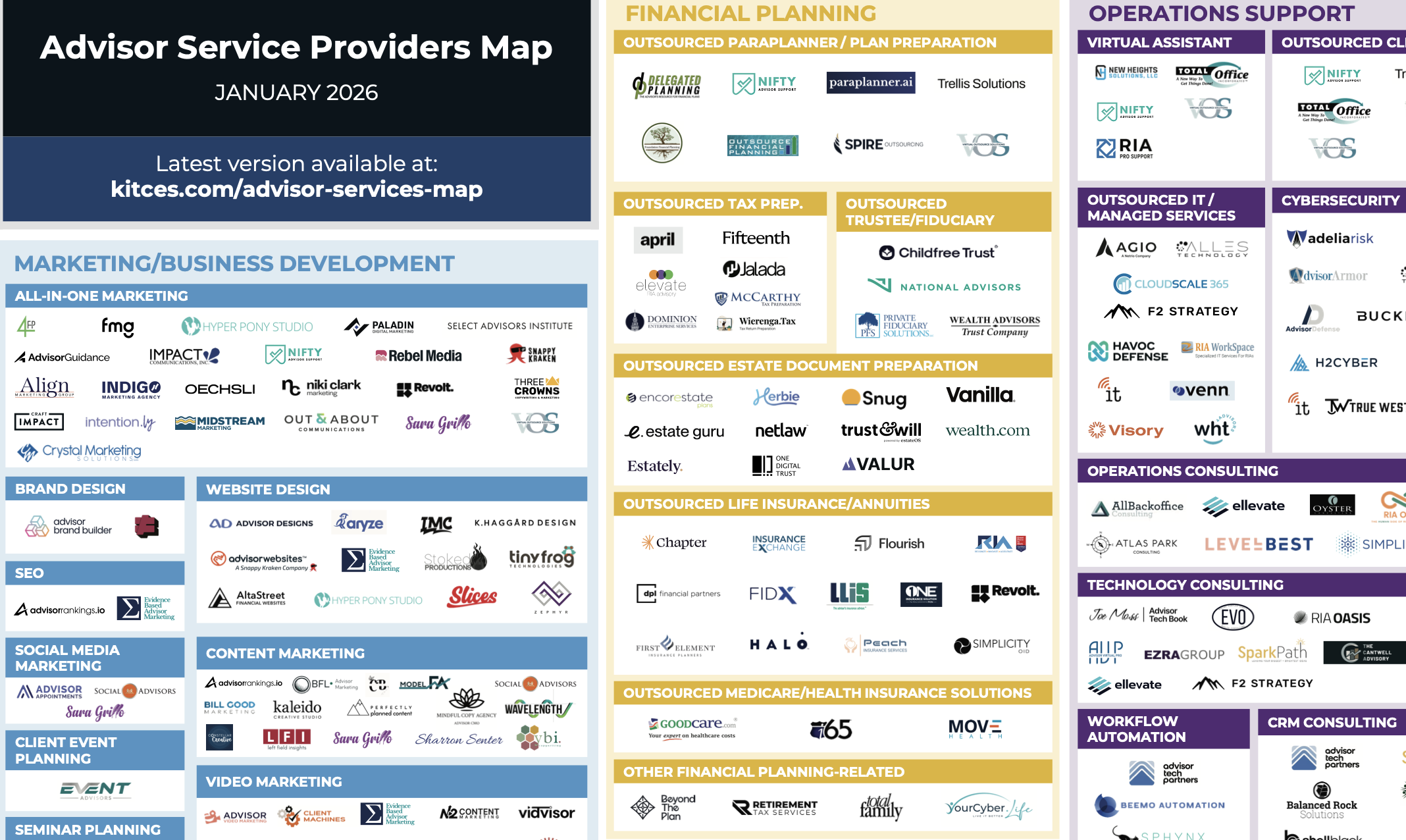
https://www.kitces.com/advisor-services-map/

Being listed on Michael Kitces’ Advisor Service Providers Map is not a casual endorsement.

It’s a signal.

For firm leaders, it says this coaching work has been vetted by someone who is known for rigor, depth, and long-term thinking. That matters in an industry where trust is everything and attention is limited.

But the real value of this recognition is not the list itself.

It’s how firms choose to use it.

Why the Kitces List Carries Real Weight

Michael Kitces has built his reputation by doing the opposite of what most marketing voices do.

He goes deep instead of wide.
He values evidence over trends.
He focuses on ideas that hold up in practice.

Firm leaders, Advisors and OSJs trust his recommendations because they are selective and grounded in real experience. His audience includes decision makers who care about sustainable growth, advisor development, and doing things the right way.

When a coaching company appears on his map under Sales and Marketing Coaching, it communicates something very specific.

This is not surface-level marketing help.
This is strategic work that supports how advisors grow over time.

That distinction is important.

Where Most Firms Stop Short

Many companies treat third-party recognition as a marketing moment.

They add a logo to a website.
They share a short announcement.
They move on to the next initiative.

That creates visibility, but not impact.

Firms that get real value from credibility signals use them to remove friction inside the organization and to strengthen how advisors are supported day to day.

Turning Credibility Into Advisor Buy-In

One of the biggest challenges leaders face is getting advisors to engage with coaching or training in a meaningful way.

The resistance usually isn’t about time or money.
It’s about trust.

Advisors are constantly pitched tools, programs, and systems that promise growth and deliver very little. Over time, that creates skepticism.

A recommendation from Michael Kitces helps cut through that noise.

It answers the question advisors rarely ask out loud but always think first:
“Is this actually worth my time?”

When that question is answered early, engagement becomes much easier.

Creating Alignment Without Forcing Uniformity

In many firms, advisors are left to figure out marketing on their own.

Some do fine.
Some struggle.
Most feel scattered.

Messages drift. Positioning becomes inconsistent. Growth feels uneven.

Using a trusted coaching resource gives leadership a reason to anchor advisors around a shared foundation. Not a rigid script, but a clear approach to clarifying value, messaging, and growth priorities.

That kind of alignment reduces confusion without limiting individuality.

Supporting Confidence, Not Just Activity

Many advisors are busy with marketing but still feel unsure.

They aren’t confident in how they describe what they do.
They chase tactics that don’t fit their strengths.
They struggle to explain why the right clients should choose them.

Coaching focused on clarity helps advisors slow down and get grounded.

They learn how to:

  • Articulate their value clearly
  • Focus on the right audience
  • Make decisions that align with how they want to build their practice

When advisors feel clear, their marketing becomes simpler and more effective.

Retention Is Often a Clarity Problem

Advisors rarely leave firms because they lack ambition.

They leave when growth feels confusing or unsupported.

When firms invest in coaching that helps advisors think clearly about their business, advisors feel seen and supported rather than managed or pushed.

That support builds trust.
Trust builds loyalty.
Loyalty protects long-term retention and growth.

Recruiting With Substance, Not Promises

Every firm claims to support advisor growth.

Few can explain how.

Being able to point to a coaching partner recognized by the most respected educator in the profession changes that conversation.

It’s concrete.
It’s credible.
It signals quality over hype.

That matters to experienced advisors who are evaluating where they want to build their future.

Why Susan’s Work Fits This Moment

For more than 20 years, Susan has worked with financial professionals to help them clarify what makes them valuable, sharpen their messaging, and create marketing plans that support sustainable growth.

This isn’t about louder marketing or quick wins.

It’s about building a clear foundation that advisors can rely on as their business evolves.

That clarity benefits advisors and the firms they belong to.

A Final Word for Firm Leaders

Third-party credibility only works if it’s used intentionally.

When recognition is treated as a tool rather than a trophy, it becomes a way to support advisors more effectively and to build a stronger firm culture around growth.

If your advisors feel scattered, inconsistent, or unsure about their marketing, that’s not a motivation issue.

It’s a clarity issue.

And clarity is something you can fix.

If you’d like to talk about how structured coaching can support advisor development, retention, and long-term growth across your firm, let’s connect and have a real conversation.

Clear thinking leads to better outcomes.

Breaking Barriers in Finance: Susan Danzig Reflects on WIFS 2025

Breaking Barriers in Finance: Susan Danzig Reflects on WIFS 2025

This past month, I had the privilege of joining my fellow Beyond the Broker co-authors at the Women in Insurance and Financial Services (WIFS) 2025 National Conference in Omaha, Nebraska. Together, we led a panel discussion titled “Breaking Barriers in Finance: How Women Are Redefining Success and Growth.”

A Space for Real Conversations

Our session was designed to spark honest dialogue around what it means to succeed as a woman in financial services today. From navigating independence to building client relationships rooted in authenticity, we shared personal experiences and actionable strategies that have shaped our own careers and those of the advisors we’ve coached and mentored.

The room was filled with incredible energy, genuine engagement, and powerful stories from advisors who are charting their own paths. Sometimes, the most meaningful conversations happen in intimate settings—and this session was a perfect reminder of that.

Beyond the Panel: Connection and Community

One of the greatest parts of any WIFS conference is the networking—on steroids! Throughout the event, I had the chance to reconnect with friends, collaborators, and new faces all united by a shared mission: to help women thrive personally and professionally in financial services.

The enthusiasm, openness, and collective wisdom in every conversation were deeply inspiring. I left Omaha feeling energized, motivated, and more committed than ever to supporting women as they build confidence, clarify their value, and grow thriving businesses.

Breaking Barriers in Finance: Susan Danzig Reflects on WIFS 2025

Moving Forward Together

The WIFS 2025 National Conference once again proved that when women come together to share insights and support one another, the entire industry moves forward. I’m grateful to have been part of that momentum and to continue advocating for women who are redefining what success looks like in this profession.

Thank you to everyone who attended, shared your stories, and connected during the conference. Let’s continue to break barriers—together.

???? Learn more about the WIFS National Conference
???? Explore Beyond the Broker: Navigating Financial Advisory Independence
???? Ready to grow your own practice? Let’s connect.

What Makes A Great Business Development Coach For Financial Advisor Teams?

At Susan Danzig, we help financial advisors learn how to attract more ideal clients without burning out by focusing on people skills, time use, and sustainable systems. Advisors who listen well, establish healthy boundaries, and apply intelligent technology tend to gain client confidence and maintain their practice with ease. Providing regular feedback, sharing real-life stories, and encouraging advisors to celebrate their victories all contribute to enhanced team development and morale. Training is most effective when it blends real-world experience with collaborative learning, so advisors develop habits that last. By leveraging these fundamentals, Susan Danzig helps firms and advisors attract ideal clients while keeping burnout low.

Key Takeaways

  • By knowing exactly what ideal clients look like and require, financial advisors can customize their offerings, focus their promotion, and provide more targeted engagement even in different markets.
  • Instead, by embracing a sustainable training framework that combines both technical and interpersonal skills and structured feedback mechanisms, you foster long-term advisor growth and alignment with organizational goals.
  • Instilling a growth mindset and self-reflection in advisors promotes resilience, prevents burnout, and nurtures lifelong learning.
  • By bringing clarity around niche markets and a clear value proposition, you help advisors attract and retain ideal clients, those best suited to their strengths, for more fulfilling and effective relationships.
  • By developing sustainable marketing and intentional networking strategies backed by digital tools, regular communication, and relationship-building experts, advisors extend their reach without sacrificing themselves.
  • Leadership needs to take the lead in advisor well-being, setting the tone with example, modeling sustainable work-life balance, and providing opportunities for personal and professional development, and routinely measuring the KPIs that ensure advisors stay happy and successful.
Corporate Training for Financial Advisory Firms

Redefine The “Ideal Client”

Training financial advisors to bring in more ideal clients begins with a solid understanding of who those clients really are. At Susan Danzig, we emphasize the importance of aligning the right financial advice to the right person so advisors spend their time and talents where they work best. Certain advisors flourish assisting doctors with student loans, while others excel in helping pre-retirees prepare for early retirement and travel. Once advisors know these details, they can tailor their services, speak directly to those clients’ needs, and avoid mismatched relationships.

Knowing your ideal client is about more than just numbers or job titles. It’s about understanding what drives these customers, what fears they have, and what economic challenges they face. A doctor with a big student loan balance may need tips for how to pay off debt while building a practice. A friend flirting with retirement might require advice on income planning, health insurance decisions, or smart Roth conversions. Advisors who dig deep into a particular group can bring more to the table. They know more hacks, resources, and alternatives that suit those individuals best. That results in more trust and greater outcomes for both parties, enhancing the overall client engagement experience.

With a well-defined profile of the client they desire, advisors can adjust their marketing and outreach accordingly. They don’t have to continue to spray and pray. Instead, they can leverage real-world narratives, case studies, or even workshops that resonate directly with their ideal audience. This simplifies demonstrating how they differ from other financial services firms that attempt to be all things to all people. For instance, a financial advisor with specialized expertise in assisting early retirees can emphasize that in their web bios, slide decks, and lectures.

It’s just as important to redefine what makes a great selling advisor for each client segment. That is, listing skills, traits, or training areas that fit the needs of the ideal client. For instance, an advisor to doctors might require expertise related to loan repayment programs, whereas one for world travelers could emphasize global tax regulations or insurance for expats. Training can then focus on these points, ensuring each advisor develops deep expertise in the areas that count, ultimately leading to a more successful advisory practice.

The Sustainable Advisor Training Framework

The Susan Danzig Sustainable Advisor Training Framework helps financial advisors build strong client relationships, deliver great service, and prevent burnout. It’s flexible, measurable, and designed to develop long-term advisor effectiveness.

1. Mindset First

Establishing a sustainable practice as a financial advisor begins with mindset. Growth-minded advisors are more adaptable to change and more resilient in the face of setbacks. Self-reflection is crucial, assisting every advisor in identifying their strengths and opportunities to improve their client engagement. By fostering a constructive perspective on adversity, financial services firms can mitigate burnout risk and encourage sustainable involvement. Mindset training should be integrated into continuous coaching through real-world examples, like how to respond to a client’s objection or react to a market downturn. This consistent emphasis on mindset enables advisors to develop habits that sustain their mental health and professional satisfaction.

2. Niche Clarity

A well-defined niche enables financial advisors to attract the perfect clients. Workshops allow these advisors to explore market voids and their own passions, helping them double down on the areas where their expertise is most needed. For instance, a tech-savvy advisor can focus on first-time entrepreneurs, while resource guides outline niche opportunities and showcase successful advisors’ case studies, teaching them how to differentiate themselves in a crowded market.

3. Value Proposition

Advisors need to understand and articulate their worth in the financial services industry. Training can leverage templates and case studies to assist advisors in constructing succinct messages that demonstrate how they provide valuable financial advice. For instance, a case study may track a seasoned advisor who specializes in socially responsible investing and helps clients attain both their financial and ethical objectives. Advisors must train in explaining fees and illustrating how these correspond to the great service they provide.

4. Sustainable Marketing

Marketing that aligns with the financial advisor’s brand and goals is crucial. Digital tools, such as blog or tweet-sized updates, enable advisors to touch more prospective clients without experiencing financial advisor burnout. A sample content calendar might recommend monthly posts or quarterly newsletters based on client engagement. Checking marketing metrics, such as content reach or prospect conversion, allows successful advisors to adjust strategies and maintain effective outreach.

5. Intentional Networking

Building relationships is at the heart of long-term success for financial advisors. They should eschew quantity in favor of quality, focusing on qualitative, interesting relations with their client base and peers. Networking events, both in-person and virtual, may be organized around client interests or industry trends. Communication training refines listening and rapport-building skills, ensuring that advisors provide great service. A straightforward checklist, such as ‘ask open questions’ or ‘follow up within one week,’ keeps networking purposeful and effective.

Build Anti-Burnout Systems

Burnout is not an event;t, it grows incrementally in the daily grind. Training financial advisors to magnetically attract better clients is about building anti-burnout systems. What matters most is slicing the workload into obvious chunks. Begin by asking advisors to track tasks half hourly. Identify these activities by category: client calls, administrative work, planning, or breaks. When advisors see where hours go, they spot waste and can cut low-value tasks. If a daily log reveals that admin work consumes the majority of the day, leaders can redeploy support personnel to relieve the advisor for client-facing hours. This pivot aids every advisor in leveraging his or her strengths, cultivating their expertise, and endurance.

Workload management doesn’t end with tallying tasks. Two focused hours frequently trounce six hours of stop-and-start. Have advisors carve out time for deep work, financial plans, and client outreach, then put down phones and email. You get better results with this approach and reduce stress as well. Regular breaks aren’t just nice to have; they’re essential. Short walks, stretching, or quiet time between meetings aid mind reset. Advisors need to set a timer to stand up every hour and actually take a lunch break, not eat at their desk. Self-care is more than just breaks; writing down work goals each day, even small ones, can increase self-efficacy and combat burnout.

A solid peer network within the firm matters. Establish support channels, such as weekly team check-ins or shared digital boards, that allow advisors to exchange victories, discuss challenging cases, and collaborate. Once teams see where time is spent, they can intelligently shift work and assist each other. Advisors often wear many hats: they serve clients, sell new services, and run business tasks. It aids in dividing these tasks where possible and aligns them to each team member’s strengths. Build anti-burnout systems, such as mastery exercises, role play, case studies, and more, to make advisors feel prepared for every aspect of their work. Tracking workloads and setting transparent, equitable expectations is crucial. If you’re managing too many roles, modify your expectations or add assistance to control stress.

Corporate Training for Financial Advisory Firms

Leadership’s Critical Role

Leadership defines the manner in which financial advisors practice, how they develop, and how they serve their clients. In an industry where consumers expect more than stock picks, leadership must remain honest, transparent, and accessible. Successful advisors prescribe the moral tenor for both ethics and trust, forming the foundation of long-term customer loyalty. Good leaders ensure that clients feel listened to, valued, and cared about, which is crucial for maintaining a strong client base when there are so many other choices. Leadership’s critical role is to provide direction, assist teams with focus, and demonstrate how to prioritize the client.

Empower Leaders To Model Healthy Work-Life Balance For Their Teams

All day and all night, leaders can drive teams too hard. If a manager never rests, consultants might believe they need to work around the clock. This causes stress and burnout, damaging both team and client engagement. When leaders model working hours and taking time off, they demonstrate that balance isn’t merely permitted, it’s required. There’s nothing like leaders explaining how they approach work and rest to set a real example. Advisors who feel like they can take care of their own lives will do better work and build stronger client ties, ultimately becoming successful advisors.

Provide Leadership Training Focused On Supporting Advisor Development

It’s not about policy or statistics; it’s about how to lead with dignity and direct others during difficult moments. Effective training enables leaders to recognize when a financial advisor is bogged down or in need, equipping them with tools to help develop their client base, such as feedback, coaching, and praise. This training may teach leadership how to create trust and clarity of purpose, allowing advisors to focus on providing solid, truthful financial advice.

Encourage Open Communication Between Leadership And Advisors To Address Concerns

Open talk helps identify issues before they fester, which is crucial for financial advisors who aim to maintain a healthy client base. Leaders who facilitate making it easy to share thoughts or concerns foster trust within their teams. Scheduled check-ins or team meetings ensure advisors feel safe to speak up, ask questions, or share client feedback. If advisors can discuss their distress or effort, leaders can intervene prior to burnout. ‘Clear talk’ is useful for planning client meeting schedules and reviewing whether everyone is satisfied with how things operate.

Establish A Mentorship Program To Guide New Advisors Through Challenges

New advisors face numerous unknowns, and errors can lead to losing clients. A mentorship program pairs newer team members with seasoned advisors who have navigated the financial services landscape. Mentors provide valuable financial advice, teach how to approach difficult client conversations, and coach on effective strategies for decision-making. This support not only enables new advisors to learn faster but also fosters camaraderie and maintains a team focus on the same high expectations.

Measure What Truly Matters

When training financial advisors to win and retain ideal clients, it’s essential to look beyond the topline numbers and measure what truly matters to both trusted clients and advisors. Clients don’t abandon their advisors due to bad advice, weak relationships, or confusing fees; rather, they seek great service advisors who can adapt to their needs. Advisors aiming to differentiate themselves must understand the factors that drive retention and attrition, allowing them to refine their practices effectively.

A good starting point for successful advisors is defining practical means of measuring success through key performance indicators (KPIs). Client feedback is crucial for actual progress. Advisors should ask clients if the financial advice aligns with their goals, if communication is effective, and if they feel valued beyond just their investments. Some customers prefer monthly discussions, while others appreciate quarterly check-ins. By demystifying these preferences upfront, advisors can inspire confidence and avoid feelings of futility.

  1. Client Retention Rate: Count how many clients stay with the advisor year over year. High rates indicate strong relationships and good service.
  2. Net Promoter Score (NPS): Measures how likely clients are to recommend the advisor, which shows trust and satisfaction.
  3. Client Feedback Scores: Collect regular feedback on advice quality, communication, and service range. This provides a guide to where to improve.
  4. Time Spent On High-Impact Activities: Use a simple time audit to see how much time goes to activities that grow the business or add real value for clients.
  5. Revenue Per Ideal Client: Track what each ideal client brings in each year to see if the advisor is working with the right people.
  6. Advisor Satisfaction and Burnout Levels: Use rapid-fire surveys to monitor advisor stress, workload, and job satisfaction.

Advisors can stand out by offering more than just portfolio assistance. They should consider providing cash flow plans, tax tips, or guidance for business owners on retirement plans. Understanding who their ideal client is allows advisors to tailor their services accordingly instead of trying to appeal to everyone.

Periodic check-ins on these metrics and feedback ensure that firms keep their training and support aligned with client engagement. Advisors should focus on what works, scale successful strategies, and maintain a commitment to both client and advisor satisfaction.

The Future Of Advisor Development

The future of financial advisor growth is poised at the intersection of transformation and demand. With client perspectives changing, particularly as they near retirement, advisors must now see beyond the numbers. Many clients, 41%, either continue working or seek new employment after they retire. Future-ready advisors will have to assist with more life planning, not just money planning. This shift emphasizes the importance of providing comprehensive financial advice that encompasses all aspects of a client’s life.

Advisors can transition from fresh to proficient sales advisors quickly, typically within 3 to 12 months, only when the training is intelligent and continuous. To stay current in a rapidly evolving industry, advisory firms need to experiment with their training. That might involve increased peer learning, brief online courses, or experiential workshops. Firms must keep training fresh so advisors stay sharp and don’t burn out. Sustainable growth comes from consistent support and defined opportunities for skill development, not just a shove to get the sale.

Tech is a bigger part of the advisor role now. Leveraging tools such as generative AI can save you up to 3.3 hours a week, creating room for those more advanced client tasks. Advisors who identify which work to outsource, such as data entry and report generation, and leverage intelligent tools for monotonous tasks, will accomplish more with less anxiety. This means advisors can focus more time on things requiring their personal touch, such as client conversations and relationship building, which is crucial for maintaining a strong client base.

One giant leap is recognizing the need to plan better. Although just 43% of advisors have a business plan in writing, those who do experience 50% faster growth. It proves that measuring your goals and having clear ones changes things. Advisors should be educated to strategize, monitor progress, and pivot. That way, they can stay ahead of changes in client demands and the industry, ensuring they remain effective in their financial services practice.

Specialization is another trend. Advisors who niche, say tech workers or expats, convert and grow more. That implies future training ought to assist advisors in identifying their niche and learning the skills required for that space. Meanwhile, cost containment is crucial. Growth-minded advisors invest approximately 7% of their revenue to attract new clients, less than the rest, demonstrating the importance of intelligent, targeted marketing.

Final Remarks

At Susan Danzig, we believe that training financial advisors for long-term success means focusing on real skills and real support. Smart goals, consistent training, and robust systems help advisors thrive. Great leaders create room for candid conversations and provide steady, actionable feedback. Measure improvement with real numbers, not just anecdotes, and stay open to fresh ideas and innovative tools. Top-performing teams know what works, fix what doesn’t, and celebrate progress.

To attract more ideal clients, help advisors build confidence, maintain healthy work habits, and grow sustainably. Every team can start small, try a new habit, test a new strategy, and seek feedback. Continue learning with Susan Danzig. Share what’s working for your firm or reach out to start a conversation about what’s next.

Frequently Asked Questions

1. How Can Financial Advisors Define Their “Ideal Client”?

Be very specific about the type of prospective clients you serve best, including their traits, needs, and values. Utilize data and feedback to polish this profile for effective client engagement and outcomes.

2. What Is A Sustainable Advisor Training Framework?

A sustainable framework for financial advisors focuses on long-term skills, continuous learning, and well-being, providing actionable training and mentorship to prevent financial advisor burnout.

3. How Do Anti-Burnout Systems Help Financial Advisors?

They help you enforce a healthy work-life balance, maintain boundaries, and take regular breaks! This support keeps financial advisors inspired and energized to serve more prospective clients.

4. How Can Firms Prepare Advisors For Future Client Needs?

Providing continuous education and fostering flexibility helps financial advisors stay relevant, ensuring they can meet client engagement needs and implement effective strategies.

5. How Does Training Reduce Advisor Burnout?

Good training for financial advisors teaches time management, self-care, and effective strategies for stress reduction, ensuring they do not experience burnout.

Learn More About Coaching Packages

Ready to help your team attract more ideal clients without the burnout? At Susan Danzig, we offer personalized coaching packages designed to strengthen your advisors’ skills, clarify your firm’s message, and build systems that support long-term growth. Whether you’re looking to refine your niche, create stronger client connections, or train your team for measurable results, we’re here to help. Learn more about our coaching packages and discover how we can help your advisors thrive with clarity, confidence, and purpose. Connect with us today.

How To Train Your Financial Advisors To Attract More Ideal Clients – Without Burning Out

At Susan Danzig, we help financial advisors learn how to attract more ideal clients without burning out by focusing on people skills, time use, and sustainable systems. Advisors who listen well, establish healthy boundaries, and apply intelligent technology tend to gain client confidence and maintain their practice with ease. Providing regular feedback, sharing real-life stories, and encouraging advisors to celebrate their victories all contribute to enhanced team development and morale. Training is most effective when it blends real-world experience with collaborative learning, so advisors develop habits that last. By leveraging these fundamentals, Susan Danzig helps firms and advisors attract ideal clients while keeping burnout low.

Key Takeaways

  • By knowing exactly what ideal clients look like and require, financial advisors can customize their offerings, focus their promotion, and provide more targeted engagement even in different markets.
  • Instead, by embracing a sustainable training framework that combines both technical and interpersonal skills and structured feedback mechanisms, you foster long-term advisor growth and alignment with organizational goals.
  • Instilling a growth mindset and self-reflection in advisors promotes resilience, prevents burnout, and nurtures lifelong learning.
  • By bringing clarity around niche markets and a clear value proposition, you help advisors attract and retain ideal clients, those best suited to their strengths, for more fulfilling and effective relationships.
  • By developing sustainable marketing and intentional networking strategies backed by digital tools, regular communication, and relationship-building experts, advisors extend their reach without sacrificing themselves.
  • Leadership needs to take the lead in advisor well-being, setting the tone with example, modeling sustainable work-life balance, and providing opportunities for personal and professional development, and routinely measuring the KPIs that ensure advisors stay happy and successful.
Corporate Training for Financial Advisory Firms

Redefine The “Ideal Client”

Training financial advisors to bring in more ideal clients begins with a solid understanding of who those clients really are. At Susan Danzig, we emphasize the importance of aligning the right financial advice to the right person so advisors spend their time and talents where they work best. Certain advisors flourish assisting doctors with student loans, while others excel in helping pre-retirees prepare for early retirement and travel. Once advisors know these details, they can tailor their services, speak directly to those clients’ needs, and avoid mismatched relationships.

Knowing your ideal client is about more than just numbers or job titles. It’s about understanding what drives these customers, what fears they have, and what economic challenges they face. A doctor with a big student loan balance may need tips for how to pay off debt while building a practice. A friend flirting with retirement might require advice on income planning, health insurance decisions, or smart Roth conversions. Advisors who dig deep into a particular group can bring more to the table. They know more hacks, resources, and alternatives that suit those individuals best. That results in more trust and greater outcomes for both parties, enhancing the overall client engagement experience.

With a well-defined profile of the client they desire, advisors can adjust their marketing and outreach accordingly. They don’t have to continue to spray and pray. Instead, they can leverage real-world narratives, case studies, or even workshops that resonate directly with their ideal audience. This simplifies demonstrating how they differ from other financial services firms that attempt to be all things to all people. For instance, a financial advisor with specialized expertise in assisting early retirees can emphasize that in their web bios, slide decks, and lectures.

It’s just as important to redefine what makes a great selling advisor for each client segment. That is, listing skills, traits, or training areas that fit the needs of the ideal client. For instance, an advisor to doctors might require expertise related to loan repayment programs, whereas one for world travelers could emphasize global tax regulations or insurance for expats. Training can then focus on these points, ensuring each advisor develops deep expertise in the areas that count, ultimately leading to a more successful advisory practice.

The Sustainable Advisor Training Framework

The Susan Danzig Sustainable Advisor Training Framework helps financial advisors build strong client relationships, deliver great service, and prevent burnout. It’s flexible, measurable, and designed to develop long-term advisor effectiveness.

1. Mindset First

Establishing a sustainable practice as a financial advisor begins with mindset. Growth-minded advisors are more adaptable to change and more resilient in the face of setbacks. Self-reflection is crucial, assisting every advisor in identifying their strengths and opportunities to improve their client engagement. By fostering a constructive perspective on adversity, financial services firms can mitigate burnout risk and encourage sustainable involvement. Mindset training should be integrated into continuous coaching through real-world examples, like how to respond to a client’s objection or react to a market downturn. This consistent emphasis on mindset enables advisors to develop habits that sustain their mental health and professional satisfaction.

2. Niche Clarity

A well-defined niche enables financial advisors to attract the perfect clients. Workshops allow these advisors to explore market voids and their own passions, helping them double down on the areas where their expertise is most needed. For instance, a tech-savvy advisor can focus on first-time entrepreneurs, while resource guides outline niche opportunities and showcase successful advisors’ case studies, teaching them how to differentiate themselves in a crowded market.

3. Value Proposition

Advisors need to understand and articulate their worth in the financial services industry. Training can leverage templates and case studies to assist advisors in constructing succinct messages that demonstrate how they provide valuable financial advice. For instance, a case study may track a seasoned advisor who specializes in socially responsible investing and helps clients attain both their financial and ethical objectives. Advisors must train in explaining fees and illustrating how these correspond to the great service they provide.

4. Sustainable Marketing

Marketing that aligns with the financial advisor’s brand and goals is crucial. Digital tools, such as blog or tweet-sized updates, enable advisors to touch more prospective clients without experiencing financial advisor burnout. A sample content calendar might recommend monthly posts or quarterly newsletters based on client engagement. Checking marketing metrics, such as content reach or prospect conversion, allows successful advisors to adjust strategies and maintain effective outreach.

5. Intentional Networking

Building relationships is at the heart of long-term success for financial advisors. They should eschew quantity in favor of quality, focusing on qualitative, interesting relations with their client base and peers. Networking events, both in-person and virtual, may be organized around client interests or industry trends. Communication training refines listening and rapport-building skills, ensuring that advisors provide great service. A straightforward checklist, such as ‘ask open questions’ or ‘follow up within one week,’ keeps networking purposeful and effective.

Build Anti-Burnout Systems

Burnout is not an event;t, it grows incrementally in the daily grind. Training financial advisors to magnetically attract better clients is about building anti-burnout systems. What matters most is slicing the workload into obvious chunks. Begin by asking advisors to track tasks half hourly. Identify these activities by category: client calls, administrative work, planning, or breaks. When advisors see where hours go, they spot waste and can cut low-value tasks. If a daily log reveals that admin work consumes the majority of the day, leaders can redeploy support personnel to relieve the advisor for client-facing hours. This pivot aids every advisor in leveraging his or her strengths, cultivating their expertise, and endurance.

Workload management doesn’t end with tallying tasks. Two focused hours frequently trounce six hours of stop-and-start. Have advisors carve out time for deep work, financial plans, and client outreach, then put down phones and email. You get better results with this approach and reduce stress as well. Regular breaks aren’t just nice to have; they’re essential. Short walks, stretching, or quiet time between meetings aid mind reset. Advisors need to set a timer to stand up every hour and actually take a lunch break, not eat at their desk. Self-care is more than just breaks; writing down work goals each day, even small ones, can increase self-efficacy and combat burnout.

A solid peer network within the firm matters. Establish support channels, such as weekly team check-ins or shared digital boards, that allow advisors to exchange victories, discuss challenging cases, and collaborate. Once teams see where time is spent, they can intelligently shift work and assist each other. Advisors often wear many hats: they serve clients, sell new services, and run business tasks. It aids in dividing these tasks where possible and aligns them to each team member’s strengths. Build anti-burnout systems, such as mastery exercises, role play, case studies, and more, to make advisors feel prepared for every aspect of their work. Tracking workloads and setting transparent, equitable expectations is crucial. If you’re managing too many roles, modify your expectations or add assistance to control stress.

Corporate Training for Financial Advisory Firms

Leadership’s Critical Role

Leadership defines the manner in which financial advisors practice, how they develop, and how they serve their clients. In an industry where consumers expect more than stock picks, leadership must remain honest, transparent, and accessible. Successful advisors prescribe the moral tenor for both ethics and trust, forming the foundation of long-term customer loyalty. Good leaders ensure that clients feel listened to, valued, and cared about, which is crucial for maintaining a strong client base when there are so many other choices. Leadership’s critical role is to provide direction, assist teams with focus, and demonstrate how to prioritize the client.

Empower Leaders To Model Healthy Work-Life Balance For Their Teams

All day and all night, leaders can drive teams too hard. If a manager never rests, consultants might believe they need to work around the clock. This causes stress and burnout, damaging both team and client engagement. When leaders model working hours and taking time off, they demonstrate that balance isn’t merely permitted, it’s required. There’s nothing like leaders explaining how they approach work and rest to set a real example. Advisors who feel like they can take care of their own lives will do better work and build stronger client ties, ultimately becoming successful advisors.

Provide Leadership Training Focused On Supporting Advisor Development

It’s not about policy or statistics; it’s about how to lead with dignity and direct others during difficult moments. Effective training enables leaders to recognize when a financial advisor is bogged down or in need, equipping them with tools to help develop their client base, such as feedback, coaching, and praise. This training may teach leadership how to create trust and clarity of purpose, allowing advisors to focus on providing solid, truthful financial advice.

Encourage Open Communication Between Leadership And Advisors To Address Concerns

Open talk helps identify issues before they fester, which is crucial for financial advisors who aim to maintain a healthy client base. Leaders who facilitate making it easy to share thoughts or concerns foster trust within their teams. Scheduled check-ins or team meetings ensure advisors feel safe to speak up, ask questions, or share client feedback. If advisors can discuss their distress or effort, leaders can intervene prior to burnout. ‘Clear talk’ is useful for planning client meeting schedules and reviewing whether everyone is satisfied with how things operate.

Establish A Mentorship Program To Guide New Advisors Through Challenges

New advisors face numerous unknowns, and errors can lead to losing clients. A mentorship program pairs newer team members with seasoned advisors who have navigated the financial services landscape. Mentors provide valuable financial advice, teach how to approach difficult client conversations, and coach on effective strategies for decision-making. This support not only enables new advisors to learn faster but also fosters camaraderie and maintains a team focus on the same high expectations.

Measure What Truly Matters

When training financial advisors to win and retain ideal clients, it’s essential to look beyond the topline numbers and measure what truly matters to both trusted clients and advisors. Clients don’t abandon their advisors due to bad advice, weak relationships, or confusing fees; rather, they seek great service advisors who can adapt to their needs. Advisors aiming to differentiate themselves must understand the factors that drive retention and attrition, allowing them to refine their practices effectively.

A good starting point for successful advisors is defining practical means of measuring success through key performance indicators (KPIs). Client feedback is crucial for actual progress. Advisors should ask clients if the financial advice aligns with their goals, if communication is effective, and if they feel valued beyond just their investments. Some customers prefer monthly discussions, while others appreciate quarterly check-ins. By demystifying these preferences upfront, advisors can inspire confidence and avoid feelings of futility.

  1. Client Retention Rate: Count how many clients stay with the advisor year over year. High rates indicate strong relationships and good service.
  2. Net Promoter Score (NPS): Measures how likely clients are to recommend the advisor, which shows trust and satisfaction.
  3. Client Feedback Scores: Collect regular feedback on advice quality, communication, and service range. This provides a guide to where to improve.
  4. Time Spent On High-Impact Activities: Use a simple time audit to see how much time goes to activities that grow the business or add real value for clients.
  5. Revenue Per Ideal Client: Track what each ideal client brings in each year to see if the advisor is working with the right people.
  6. Advisor Satisfaction and Burnout Levels: Use rapid-fire surveys to monitor advisor stress, workload, and job satisfaction.

Advisors can stand out by offering more than just portfolio assistance. They should consider providing cash flow plans, tax tips, or guidance for business owners on retirement plans. Understanding who their ideal client is allows advisors to tailor their services accordingly instead of trying to appeal to everyone.

Periodic check-ins on these metrics and feedback ensure that firms keep their training and support aligned with client engagement. Advisors should focus on what works, scale successful strategies, and maintain a commitment to both client and advisor satisfaction.

The Future Of Advisor Development

The future of financial advisor growth is poised at the intersection of transformation and demand. With client perspectives changing, particularly as they near retirement, advisors must now see beyond the numbers. Many clients, 41%, either continue working or seek new employment after they retire. Future-ready advisors will have to assist with more life planning, not just money planning. This shift emphasizes the importance of providing comprehensive financial advice that encompasses all aspects of a client’s life.

Advisors can transition from fresh to proficient sales advisors quickly, typically within 3 to 12 months, only when the training is intelligent and continuous. To stay current in a rapidly evolving industry, advisory firms need to experiment with their training. That might involve increased peer learning, brief online courses, or experiential workshops. Firms must keep training fresh so advisors stay sharp and don’t burn out. Sustainable growth comes from consistent support and defined opportunities for skill development, not just a shove to get the sale.

Tech is a bigger part of the advisor role now. Leveraging tools such as generative AI can save you up to 3.3 hours a week, creating room for those more advanced client tasks. Advisors who identify which work to outsource, such as data entry and report generation, and leverage intelligent tools for monotonous tasks, will accomplish more with less anxiety. This means advisors can focus more time on things requiring their personal touch, such as client conversations and relationship building, which is crucial for maintaining a strong client base.

One giant leap is recognizing the need to plan better. Although just 43% of advisors have a business plan in writing, those who do experience 50% faster growth. It proves that measuring your goals and having clear ones changes things. Advisors should be educated to strategize, monitor progress, and pivot. That way, they can stay ahead of changes in client demands and the industry, ensuring they remain effective in their financial services practice.

Specialization is another trend. Advisors who niche, say tech workers or expats, convert and grow more. That implies future training ought to assist advisors in identifying their niche and learning the skills required for that space. Meanwhile, cost containment is crucial. Growth-minded advisors invest approximately 7% of their revenue to attract new clients, less than the rest, demonstrating the importance of intelligent, targeted marketing.

Final Remarks

At Susan Danzig, we believe that training financial advisors for long-term success means focusing on real skills and real support. Smart goals, consistent training, and robust systems help advisors thrive. Great leaders create room for candid conversations and provide steady, actionable feedback. Measure improvement with real numbers, not just anecdotes, and stay open to fresh ideas and innovative tools. Top-performing teams know what works, fix what doesn’t, and celebrate progress.

To attract more ideal clients, help advisors build confidence, maintain healthy work habits, and grow sustainably. Every team can start small, try a new habit, test a new strategy, and seek feedback. Continue learning with Susan Danzig. Share what’s working for your firm or reach out to start a conversation about what’s next.

Frequently Asked Questions

1. How Can Financial Advisors Define Their “Ideal Client”?

Be very specific about the type of prospective clients you serve best, including their traits, needs, and values. Utilize data and feedback to polish this profile for effective client engagement and outcomes.

2. What Is A Sustainable Advisor Training Framework?

A sustainable framework for financial advisors focuses on long-term skills, continuous learning, and well-being, providing actionable training and mentorship to prevent financial advisor burnout.

3. How Do Anti-Burnout Systems Help Financial Advisors?

They help you enforce a healthy work-life balance, maintain boundaries, and take regular breaks! This support keeps financial advisors inspired and energized to serve more prospective clients.

4. How Can Firms Prepare Advisors For Future Client Needs?

Providing continuous education and fostering flexibility helps financial advisors stay relevant, ensuring they can meet client engagement needs and implement effective strategies.

5. How Does Training Reduce Advisor Burnout?

Good training for financial advisors teaches time management, self-care, and effective strategies for stress reduction, ensuring they do not experience burnout.

Learn More About Coaching Packages

Ready to help your team attract more ideal clients without the burnout? At Susan Danzig, we offer personalized coaching packages designed to strengthen your advisors’ skills, clarify your firm’s message, and build systems that support long-term growth. Whether you’re looking to refine your niche, create stronger client connections, or train your team for measurable results, we’re here to help. Learn more about our coaching packages and discover how we can help your advisors thrive with clarity, confidence, and purpose. Connect with us today.

The Top 7 Reasons Financial Advisory Firms Struggle To Scale – And How Training Fixes Them

The top 7 reasons financial advisory firms struggle to scale tend to connect to gaps in skills, processes, and team knowledge. Slow onboarding, poor adoption of technology tools, inefficient workflows, and no client trust are the common culprits. Many have trouble with compliance, bad data utilization, and bottlenecks in team scaling.

At Susan Danzig, training helps fix these issues by developing genuine capabilities, establishing defined processes, and ensuring teams can optimally leverage new tools. Great training fosters robust client relationships, ensures teams are current on regulations, and keeps operations efficient. To demonstrate how training assists, the following sections dissect each challenge and provide practical methods to apply training for consistent growth and improved outcomes.

Key Takeaways

  • Leadership bottlenecks, inconsistent client experiences, and stagnant advisor skills are the top reasons financial advisory firms can’t scale. Training fixes these issues.
  • By standardizing client service protocols and investing in ongoing advisor development, firms can provide consistent, high-quality experiences that enhance retention and create growth opportunities.
  • Operational efficiency and technology both increase efficiency and profitability. Employee training allows for their maximum impact by promoting best practices.
  • A forward-thinking business development approach, reinforced by ongoing training and coaching, gives advisors the ability to scale their practices and respond to market evolutions.
  • By investing in great training, you neutralize the hidden costs associated with stagnation, such as potential talent loss, reduced firm value, and principal burnout, protecting the firm’s longevity.
  • After a regular review, customization, and reinforcement of training content, together with strong outcome measurement, keep the learning initiatives relevant and return measurable returns for financial advisory firms worldwide.
Corporate Training for Financial Advisory Firms

Why Firms Fail To Scale

Financial advisory firms face specific obstacles to growth, including leadership, customer relations, and talent acquisition. These financial challenges can stall progress and impact retention if not managed effectively, hindering the success of financial advisors.

1. Leadership Bottlenecks

Leadership bottlenecks delay the speed at which firms decide and respond, particularly in the financial advisory industry. When leaders hold decisions tight, teams lose velocity, and morale sinks. Too often, firms suffer from an absence of open discussions among executives, which keeps risk-taking and collaboration low. Without solid leadership training from Susan Danzig, such managers struggle to manage growth and establish trust, essential for financial advisor success. Succession planning is absent in many firms, risking havoc when leaders depart, especially urgent when advisor attrition is high, as just 15 to 16 percent of financial advisors remain at year five.

2. Inconsistent Client Experience

Client service varies significantly among financial advisors, leading to some customers experiencing excellent service while others feel frustrated. Without a defined process to guide prospect conversations, advisory firms miss opportunities for consistent referrals and enduring loyalty. New advisors may sometimes neglect training in building trust and understanding personality types, which undermines effective fact-finding. As a result, forty-four percent of advisors give up after the initial attempt. Leveraging tech tools and Susan Danzig’s client experience training can enhance retention and satisfaction.

3. Stagnant Advisor Skills

Advisors who don’t stay on top of their financial expertise get left behind. As the financial landscape shifts, so do clients’ needs. If advisory firms don’t train their financial advisors on new laws, products, or trends, they can’t provide optimal guidance. Few firms measure advisor skill gaps or conduct ongoing workshops, and many overlook the importance of matching new hires with mentors, a low-cost method that Susan Danzig promotes to enhance advisor success and confidence.

4. Inefficient Operations

Others operate with legacy or clunky systems, leading to diminished margins and wasted employee hours. Many financial advisory firms fail to leverage technology to automate repetitive tasks or analyze workflows effectively. Whether teams are trained on pristine data habits or financial reporting, errors can sneak in and disrupt the pace. Susan Danzig’s operational strategy training addresses these gaps to streamline performance.

5. Reactive Business Development

Too many financial advisory firms pursue leads only once business falls off, lacking a strategy to seek new customers or identify trends in their infancy. Poor prospecting is a top reason for financial advisor failure. With Susan Danzig’s business development programs, advisors learn proactive prospecting education that builds confidence, consistency, and stronger pipelines.

6. Poor Technology Adoption

Firms that are slow to adopt tech fall behind quickly in the competitive financial advisory industry. Few ever audit which tools truly assist or educate financial advisors on how to use them effectively. If financial professionals are afraid of new tech or don’t see the point, they won’t use it, making it difficult to serve clients well and wasting money on unused infrastructure. Susan Danzig helps teams integrate technology confidently into daily workflows for maximum ROI.

7. A Missing Growth Culture

Growth in the financial advisory industry requires a team mentality. If firms don’t set goals or reward smart risks, their advisors stick to what’s safe, and change stalls. Without investing in learning or celebrating wins, advisory firms can’t build the grit for long-term success. Susan Danzig’s programs instill a growth culture by aligning development, recognition, and performance goals across the organization.

The Training Solution

A strong training solution can solve most of the universal obstacles holding financial advisory firms back from scaling. Targeted, measured training ensures that everyone from senior leaders to new advisors possesses the financial expertise and skills required for sustainable growth. By tying these efforts to business objectives, deploying a variety of learning strategies, and embracing continuous feedback, companies can pivot and prosper even as the financial landscape changes.

Strategic Leadership

Leadership development is at the heart of our advisory firm’s growth engine. Leaders who take advantage of emotional intelligence training are better able to lead their teams, manage stress, and defuse tension. By focusing on leadership training for new advisors, we provide long-term assurance and accountability. This approach strengthens a results-oriented culture that values performance and ethics equally, ensuring financial advisor success.

Scalable Processes

Advisory firms can achieve financial advisor success by ensuring that their internal processes provide leeway and repeatability. Capturing your best practices in standard operating procedures can minimize mistakes and simplify training. Teaching staff scalable practices ensures that everyone takes the same actions when onboarding a client or working on trades. By transforming large projects into actionable tasks, these teams can prevent themselves from getting overwhelmed. It is crucial to review and update these processes as your business and your clients’ financial goals change, so that efficiency is not sacrificed to growth.

The Advisor Development

  • Advanced financial planning methods
  • Client relationship building
  • Industry conference attendance
  • Mentorship and skill sharing

Continuous training provides financial advisors with the resources to thrive beyond technical expertise. Advocating networking and attendance at industry events broadens perspectives, while a mentorship system enables new advisors to learn from successful advisors, accelerating skill development and minimizing errors.

Client Management

Client happiness depends on those first couple of months. Coaches need to train financial advisors to communicate consistently and follow up quickly, as studies indicate that most revenue slips through the cracks due to a lack of persistent outreach. Dividing customers guarantees treatment fits every need. A CRM tracks every client touchpoint, simplifying communication and allowing advisors to customize their touch. When advisory firms track touchpoints and polish service standards, loyalty and referrals increase, particularly if backed by continuous client input.

Corporate Training for Financial Advisory Firms

The Hidden Cost Of Stagnation

The stagnation in financial advisory firms isn’t merely about sluggish expansion; it also involves hidden financial challenges that nibble away at long-term profits and the firm’s future. When firms cease growing, they risk losing their top advisors, witnessing their valuation plummet, and exhausting their leadership. These costs extend far beyond missed financial goals and can jeopardize the advisory business itself.

Talent Attrition

There’s high turnover in the financial advisory industry, with over 90% of financial advisors quitting during their initial three years. Many leave because they feel their financial expertise isn’t advancing or their contributions aren’t valued. Others struggle to apply core concepts such as asset allocation or portfolio theory to practical activities, and this skills gap can make the work feel crushing.

An absence of obvious growth trajectories and a poor culture of learning is pushing employees out. Without a robust career development plan, successful advisors look elsewhere. This turnover isn’t only financial, it’s about losing the confidence and experience that clients appreciate.

Companies can decelerate this churn by providing training that connects learning with actual business demands. Competitive pay does this, but so does a culture that respects everyone’s contribution, encourages mental wellness, and maintains the dialogue in the advisory firm.

Diminished Firm Value

When firms lag, their value sinks. Dinosaur cultures, such as eschewing new digital tools or neglecting to refresh prospecting strategies, damage the firm’s external reputation. In a world where clients expect frictionless digital service and intelligent personal guidance, a lapse in pace taints the firm’s brand and value.

The Hidden Cost of Stagnation. For example, advisers who don’t refresh their prospecting approach or don’t ‘Fact Find’ with clients will leave half their income on the table. When you’re not innovating, you can drive clients to competitors with cooler tools and cleverer service.

Leaders must drive continuous learning, improved digital capabilities, and active client feedback. These measures keep the firm fresh and increase both client satisfaction and firm value.

Principal Burnout

Company leaders typically deal with overwork and burnout. Burnout is not uncommon, and when it occurs, it leads to bad decisions and low morale throughout the team.

Wellness programs and coaching can help leaders manage stress and stay focused. A work-life balance drive combined with explicit backing for mental health can keep principals efficient and optimistic.

Designing Effective Training

Financial advisory firms encounter unique growth challenges in the financial advisory industry. Actionable training can combat these through a combination of process documentation, skills training, and continuous refinement. Effective training begins by diagnosing what works in financial management and builds on strengths while engaging all stakeholders.

Assess Needs

Firms should start with surveys and one-on-one interviews to gather input from staff and leadership, which is essential for identifying financial challenges and revealing where confusion or inefficiency lurks. By analyzing key performance metrics, such as client retention rates, turnaround time, and error rates, firms can pinpoint areas where financial expertise is lacking. This analysis allows the firms to consider which training will be the most valuable, whether it’s client onboarding or portfolio management. Prioritizing these issues is key because not every problem requires immediate addressing, and involving financial advisors in this process ensures that the training provided is effectively utilized.

Customize Content

Designing Effective Training for financial advisors requires companies to tackle problems specific to the advisory industry, such as reconciling compliance with customized client solutions. Real-world case studies introduce relevance, allowing trainees to witness theory in action. Materials should reflect industry standards and trends, including innovations in financial reporting or portfolio rebalancing. Ensuring that subject matter experts create the content guarantees that it’s both accurate and useful. For instance, a process could be recorded to template some 80 percent of a job, leaving 20 percent for the ‘special sauce’, customization for each client. This combination of standardization and flexibility allows successful advisors to improve their process without sacrificing client service.

Implement And Reinforce

Checklist for reinforcement:

  • Plan for frequent training follow-ups. Each should involve reviewing important concepts and talking through how they manifest in day-to-day work, such as picking investments and speaking to clients.
  • Track staff advancements via statistics and face-to-face communication. Provide group and individual feedback to focus development.
  • Foster a learning environment. That doesn’t mean just repeated training, it means revisiting and innovating on one documented process after another, always looking for leaner ways of working.
  • Build technology for repeatable decisions, such as trading or rebalancing, and automate routine work to make room for higher-value tasks.

Measuring Training ROI

Training ROI is a crucial measurement for financial advisory firms seeking to scale efficiently. It offers a transparent view into whether training investments genuinely enhance outcomes. By tracking both numbers and human feedback, firms can assess if financial advisors are improving, if clients are more satisfied, and if the firm is experiencing growth. Given the high overhead in the financial advisory industry, any training must yield returns, or it could hinder profitability. Here’s a table of typical impact measures, learner outcomes, and customer satisfaction post-learning.

Metric

Before Training

After Training

Change

Advisor Revenue (USD)

$8,000

$10,500

+31%

Client Retention (%)

70%

82%

+12%

Satisfaction Score

3.1/5

4.6/5%

+1.5 %

Completion Rate (%)

92%

97% 

5%

Companies need to Measure Training ROI. Firms need to measure advisor performance, retention, and revenue to determine whether training is effective. Changes in these metrics, even minor ones, can translate into actual gains. If a training program costs $6,000 and brings $5,000 in gains, the ROI is negative. The calculation is as follows: five thousand dollars minus six thousand dollars divided by six thousand dollars multiplied by one hundred equals negative sixteen point sixty-six percent. A positive ROI, particularly over three hundred percent, is a sure indication that the investment made an impact. Be sure to account for direct costs, such as course fees, and indirect ones, such as time invested in learning.

Key Performance Indicators

KPIs provide a straightforward method to quantify the effect. The following table separates advisor performance and client engagement before and after training.

KPI

Pre-Training

Post-Training

Δ

Avg. Client Meetings

8/month

13/month

+5

Upsell Rate (%)

18%

27%

+9%

Cross-Sell Ratio

0.9

1.3

+0.4

Following these KPIs post-training assists in identifying strengths and gaps. Companies might notice that meeting frequency or upsell rates soar post-training, indicating immediate returns. Sending KPI results to team members and leaders allows everyone to see what’s working and where additional training is required.

Qualitative Feedback

Direct feedback from trainees is critical to the statistics. Surveys and interviews assist in collecting frank feedback on what succeeded and what failed. Attendees could mention that a session was too elementary or that role-play improved their pitching. This feedback indicates what parts of the training stick and which do not.

Even something as simple as mining comments to see if people say they feel more confident or if clients feel a difference can help. If they say, “I used the new script and closed two deals,” that’s a pretty good indicator that training made a difference. Insights from these sessions assist in molding upcoming courses, so each iteration improves.

Long-Term Impact

Long-term tracking is key to knowing if training sticks. If advisor performance remains high and client relationships continue to deepen, the training works. Culture changes, such as increased sharing or accelerated skill development, can be observed over time, not just immediately after training concludes.

Evaluating these big-picture gains, like improved employee retention or reduced expenses, is crucial. Putting a victory banner around a tale like this, where one team doubled client retention due to training, can demonstrate tangible worth to everyone.

Beyond The Training Room

Training is a great kick-off for aspiring financial advisors. Real growth occurs when learning becomes a regular part of work. Many financial professionals frequently abandon the profession because the leap from the training room to practice is tough. They often struggle to find clients, build trust, and manage their business effectively. The business’s brutal burn rate, with 90% leaving within three years, demonstrates what a hard road this is. Advisors require more than quick workshops to stay on target and achieve financial advisor success.

A culture of growth helps both new and veteran advisors manage the pressure associated with the financial advisory industry. Companies that appreciate training beyond the classroom gain more value. When teams get together regularly, share what works, and learn from each other, they develop their financial expertise more quickly. Peer-to-peer learning, whether through shadowing a seasoned financial planner or engaging in group discussions, allows new hires to experience real problems and solutions. This helps bridge the transition from classroom instruction to real work. For instance, a new advisor could pick up more effective ways to acquire clients or conduct difficult conversations from a peer who has navigated these challenges successfully.

‘Check-ins’ and coaching keep skills sharp and relevant. These sessions capture opportunities early and allow financial advisors to discuss actual cases with coaches. They can request feedback on prospecting, which is one of the hardest parts of the job. A lot of advisors quit because they feel they can’t help clients or are being forced to sell products they don’t believe in. Coaching can help them construct a process for selecting investments they trust, making their day-to-day work less stressful and more authentic.

Like anything else, tools and tech make it easier for advisors to continue learning and improving their financial advisory services. Online communities allow them to discuss cases, swap advice, or engage in worldwide forums. Digital resources simplify tracking client needs and provide immediate feedback. In those initial months of a client relationship, this support can really make a difference. Advisors with a defined, replicable process to deliver financial advice spend less time on administrative tasks and more time on scaling their advisory business.

Final Remarks

Scaling up feels hard for financial advisory firms. Big culprits like old habits, weak teamwork, and skills gaps derail true growth. Susan Danzig helps teams pick up new tech, refine key skills, and escape the rut of slow growth. These obvious takeaways demonstrate immediate victories: quicker client assistance, higher quality work, and increased profitability.

Effective training only happens if leaders support it and continue to measure what works. Steady effort is what it takes, not one-off classes. New skills help firms keep up in rapid markets. To build a team that grows strong, make learning part of the job.

Jump into the discussion below and share what training has made the biggest impact in your firm. With Susan Danzig, growth is always a measurable outcome.

Frequently Asked Questions

1. What Are The Main Reasons Financial Advisory Firms Struggle To Scale?

In the top 7 reasons financial advisory firms can’t scale and how training fixes them, training enhances financial expertise, develops skills, consistency, and confidence for financial advisors.

2. How Does Employee Training Help Advisory Firms Grow?

Training provides your staff, including financial advisors, with the skills they need, enhances client service, and increases productivity. Well-trained teams can serve more clients, respond to financial challenges, and maintain predictable outcomes, making scaling a lot simpler.

3. What Is The Hidden Cost Of Not Investing In Training?

Without training, firms incur greater employee turnover, lost clients, and growth opportunities. This results in higher expenses and constrains the firm’s sustainable growth.

4. How Can Firms Design Effective Training Programs?

They address all seven of the top reasons financial advisory firms fail to scale, and here’s how training enhances financial advisor success. These strategies should be customized to the firm’s requirements and continually refreshed to remain pertinent.

5. How Do You Measure The Return On Investment (ROI) For Training?

Return on investment for training is measured by monitoring enhancements in staff effectiveness, client contentment, and company expansion, as well as metrics like client retention and revenue growth in the financial advisory industry.

Let’s Build Your Firm’s Growth Plan Together

Scaling a financial advisory firm takes more than ambition; it requires a focused strategy, consistent training, and a team that knows how to execute. At Susan Danzig, we specialize in helping firms like yours overcome bottlenecks, strengthen leadership, and build sustainable systems for growth. Whether your challenge is onboarding, client experience, or business development, our tailored training plans are designed to turn potential into measurable progress.

Contact us today to discuss a tailored training plan that aligns with your firm’s goals and equips your advisors with the skills to thrive. Let’s create a structure for consistent growth, confident leadership, and long-term success. Schedule a consultation with our team now.

Breakthrough Thinking: How Private Strategy Days Help Advisors Rethink Their Business

Private consulting for financial advisors with Susan Danzig is one-on-one assistance tailored to the needs of each advisor. It offers support with client growth, risk checks, and tech tips. Many advisors leverage these sessions with Susan Danzig to discover new ways to expand their practice or patch vulnerabilities in what they provide. Some desire improved client conversations, while others seek clever methods to leverage data or strategize for shifting regulations. Susan Danzig’s custom advice helps you identify gaps and leverage new tools so the work gets done more quickly and with less stress. Private consulting with Susan Danzig keeps advisors current with market changes, so they can provide straightforward, practical assistance to their clients. This post will explain what to expect and how to select the appropriate service.

Key Takeaways

  • As a financial advisor, if you’re experiencing stagnant growth, client saturation, operational inefficiency, or personal burnout, you may be surprised how much this can hamper your business performance.
  • Business diagnosis with Susan Danzig, based on data analytics, client input, and industry benchmarking, offers a clean slate for smart strategy formulation.
  • Building a bespoke plan that plays to your firm’s unique advantages and client preferences, and includes nimble pivots in response to market patterns, makes you more competitive and more relevant.
  • By embracing service innovation and leveraging technology, advisors can provide differentiated solutions, meet evolving client expectations, and tap into new markets.
  • Strategy sessions, like your own personal “strategy day” with Susan Danzig, enable focused planning, collaboration, and actionable outcomes.
  • With persistence in execution and tracking and continuous improvement, strategic initiatives deliver enduring growth and client delight for advisory firms everywhere.

The Plateau Problem

Financial advisors often face a plateau in their financial planning practices where growth slows, new client acquisition diminishes, and the work becomes less fulfilling. This “plateau” transcends geographical boundaries and types of businesses, reflecting a global issue. Recognizing the warning signs in your practice, such as stagnant growth and client saturation, can be crucial for developing effective retirement strategies and enhancing your financial future.

Plateau Symptom

Signs To Watch For

Impact on Practice

Stagnant Growth

Flat revenue, fewer new clients, slow leads

Limits long-term stability

Client Saturation

Overbooked schedules, lowered service level

Reduces growth, risks attrition

Operational Inefficiency

Repeated manual tasks, process delays

Wastes time, increases cost

Personal Burnout

Fatigue, loss of drive, rising stress

Lowers service quality, turnover

Client Growth Slowdown

Review your revenue, client on-boarding rate, and referrals every quarter. If these metrics remain flat for multiple cycles, more than two, you’re probably stalling in your financial planning efforts. Consider foreign markets or specialized audiences for your new client base. For instance, some investment advisors scale into green finance or cross-border planning to seek out new demand. Look at your competition, local and global, and assess what differentiates them, whether it’s digital service capabilities or product bundling. Access focused online campaigns or webinars to engage under-served audiences, which can fuel new interest and growth in your retirement strategies.

Client Saturation

  • Segment clients by needs and potential.
  • Target adjacent markets or industries.
  • Build partnerships with other professionals.
  • Launch special services for unique client groups.

Expand your foundation by connecting outside your immediate circles. Small business owners or expats, for example, can provide unexplored opportunities in retirement planning. Concentrate on retaining existing customers through ongoing advice and customized guidance, as well as gathering feedback via surveys or individual conversations to identify unmet financial needs and fine-tune your offerings.

Operational Inefficiency

  1. Map every client-onboarding and reporting step and then eliminate those that add no value.
  2. Go digital, switch to e-signature solutions or cloud client files to save time and errors.
  3. Teach your team the easiest, quickest methods to treat common tasks, like shortcut keys or batch-updating.
  4. Check in monthly to locate slowdowns or bottlenecks and repair them quickly.

Personal Burnout

Identify early symptoms like mood swings, missed deadlines, or poor sleep to ensure your financial planning is on track. Define your work hours and breaks, perhaps taking a stroll to clear your mind. Seek a mentor or a peer group for outside perspective, which can be invaluable for your financial goals and retirement planning!

Enhance Your Financial Advisory Practice

Private consulting provides investment advisors an opportunity to redesign their practice, leverage new technology, and establish elevated expectations for their clients. Today’s clients want more than just investment advice, they seek tailored financial planning that simplifies their financial journey and ensures their retirement goals are met. Meeting these needs requires a comprehensive look at the business from all perspectives.

1. Deep Diagnosis

Begin with a data-driven business checkup to enhance your financial planning. Examine client comments, survey data, and performance statements to assess your retirement strategies. Analytics can indicate where you’re strong and illuminate weak points. Surveys help you find out what clients love and where you can improve. Go over your headline figures, revenue, expenses, and growth, while benchmarking against the industry to identify opportunities for improvement.

2. Custom Strategy

Construct a retirement plan that works for your financial goals and uniqueness. Leverage insights gleaned from clients to inform your financial planning strategy. Establish progress indicators to monitor if your strategy is effective, which might involve tracking new clients or assets under management. Be prepared to modify your retirement strategies if the market pivots or clients request something different.

3. Service Innovation

Experiment with innovative methods to assist clients in their retirement planning, such as digital planning platforms or personalized guidance for niche audiences. Use tech to provide superior, quicker responses, or to simplify meetings. Provide specialized services, such as counsel for families or entrepreneurs on their financial goals. Stay relevant, your clients will always appreciate it.

4. Marketing Overhaul

Verify that your marketing and outreach attract the appropriate individuals for retirement planning and financial services. Employ new media, search, email, social media, to attract clients. Post your top tips on blogs or webinars, as this not only creates trust but also showcases your expertise as a skilled advisor in investment strategies.

5. Systemic Scaling

Discover paths to expansion that don’t disrupt your ecosystem while considering your financial goals. Be certain your people and systems are scalable as you strategize about how to introduce new services or access new markets. Provide coaching to your staff to profit from your financial planning and monitor growth prudently to maintain your standards.

The Strategy Day Blueprint

A strategy day blueprint is a private consulting step-by-step plan that helps financial advisors in their financial planning efforts to put growth on a clear course. This blueprint gathers critical input from teams, sculpts concepts into action, and offers equipment to monitor and adjust every step. It’s a tool for the now and later, helping you quickly adjust to new policies and markets. If done correctly, it keeps teams aligned, minimizes ambiguity, and fosters customer confidence by creating improved processes and experiences.

Pre-Session Audit

A good pre-session audit begins by gathering all necessary information. This could involve reviewing financial reports, client surveys, and recent feedback to identify patterns. It all gives you a sense of what works and what’s useless. Next, it’s key to identify who should be involved in the audit, typically, this consists of advisors, support staff, and occasionally a few clients. Their input provides a well-rounded perspective of the business.

Clear objectives for your day. These might be to address vulnerability points, increase customer interaction, or increase profits. Checking against previous results is important. See what fell flat or got stuck last time. This review highlights where to focus and keeps the session on track.

Immersion Day

Immersion day is deep teamwork. Advisors, analysts and decision makers hash out hard problems and fresh concepts. Occasionally a client will come on to contribute a new perspective. These conversations are transparent, so issues aren’t concealed.

As the day progresses, minutes and action plans are recorded. This record prevents information from slipping away and is useful when reviewing progress down the line. By the end, everyone has simple, straightforward goals, such as ‘acquire 10 new clients in 90 days’ or ‘reduce processing time by 25%.

Action Plan

  1. Make a list of all tasks, with a short note and a success metric for each, such as ‘host client seminars: reach 50 attendees per event.’
  2. Delegate each task to a named individual or team, so it’s clear who owns what.
  3. Assign a start and due date for each, utilizing the metric system for any measured goals (e.g., “complete report by March 15, close 5 new clients in 100 days.”)
  4. Check progress each month, with metrics, and adjust the plan if some things slip or require more resources.

Beyond The Strategy Day

Private consulting for financial advisors isn’t just a one-and-done strategy day, it involves ongoing advice for effective retirement planning. The true return lies in what follows strategy day, as the focus shifts to hands-on work: putting the financial plan into action, measuring progress, and refining investment strategies based on actual results.

Strategic Action Plan

A good financial plan guides a financial advisor from concept to concrete action. Begin with a straightforward checklist or roadmap so every assignment is well-defined. Bring this plan back to your team, detailing who does what and when. When teams understand their deliverable, work gets done more quickly and with less ambiguity. Establish a routine, perhaps once a week or two, to see whether advancement aligns with your top objectives, particularly in terms of retirement strategies. Data dashboards, or even a shared spreadsheet, can help show what is on track and what needs work. Other times, things change mid-course. Perhaps a client reacts unexpectedly or the market changes. Be prepared to exchange steps or experiment. So, for example, if an outreach method isn’t working, switch to targeted webinars or one-on-one calls. To my point, continue to pivot toward your overarching goal.

Success Through Accountability

It facilitates constructing small mechanisms to monitor what is being accomplished in the context of financial planning. A nice check-and-balance system could be shared progress boards or brief update emails regarding the retirement plan. These tools allow everyone to easily know what tasks still remain open in their financial journey. Have brief stand-up meetings to discuss victories and challenges related to investment strategies. These can be monthly or even once every two weeks. The more transparent the discussion, the simpler it is to identify issues early. Allow team members to drive certain portions of the process, perhaps have someone own client onboarding or data review. When people feel trusted, they put in the extra effort. Celebrate big wins, even the little ones, by praising them in meetings or group chats. It’s amazing what a little praise will do to keep the group inspired.

Evolution

A healthy team culture thrives when members crave continuous improvement, which is essential for successful investing. This means constantly seeking to adjust or reinvent what you do, especially in the realm of financial planning. Request client feedback after each meeting via a brief survey or quick call to inform your offering. Industry trends can shift quickly, so carve out time each month to read reports or attend webinars on retirement strategies. This keeps your firm hungry for the next battle.

Is One-on-One Consulting Right?

One-on-one consulting for financial advisors provides the opportunity for customized assistance, with strategies constructed to suit each individual’s requirements. Unlike noisy group workshops or sprawling coaching programs, this approach gets past all that and hones in on the specifics relevant to you. For those who want to actually move forward, one-on-one sessions can dig deep into your financial goals, pain points, and work habits. For instance, if you’d like to establish a new client onboarding workflow or correct a bug in your investment strategies, a dedicated advisor can guide you step-by-step. It’s always about your business, your numbers, and your growth.

Others do better with this style of assistance. A landmark 1997 study found that productivity increased 88% when coaching was combined with training versus only 22% with training alone. One-on-one consulting gives you the freedom to ask questions you wouldn’t in a group and to receive tailored investment advice that suits your style. This can help you notice aspects you’d overlook on your own. Best of all, these sessions provide a safe and confidential space to discuss challenges or test new concepts, simplifying the process of working through hard decisions or significant transformations without the intimidation of criticism.

When does private consulting make sense? It depends on your retirement planning goals, your budget, and your learning style. You have to be prepared to invest the time and the resources. For some, the price is a substantial commitment, and for others, it’s worth every penny for the development it provides. Consulting works best when it’s applied to your existing tools and habits. If you already have a team or solid routines, a skilled advisor can help identify gaps or optimize what you do. If you thrive in group settings or like to learn hands-on, you might want to consider alternative avenues. The trick is to align the support to how you work most effectively and what your business requires most.

Benefits

Potential

Readiness

Complementing Strategies

Personalized help

Solve unique issues

Time commitment

Fits in with current work routines

Deep focus

Boost productivity

Budget needed

Helps spot gaps in team or process

Safe space

Honest feedback

Openness to change

Adds expert view to existing strategies

Your Next Breakthrough

Breakthroughs in private consulting for financial advisors don’t occur randomly, they arise from a blend of distinct vision, effort, and an authentic commitment to making a difference in retirement planning. To begin with, identifying what must grow is important. Most investment advisors plateau because they cling to the old ways or are afraid of change. Viewing from a new perspective aids in transforming roadblocks into paths. When you identify gaps, such as sluggish client onboarding, poor client retention, or inadequate digital tools, these are indications where genuine impact can be made. For instance, if your existing reporting processes are slow or disorient clients, a breakthrough might be switching to straightforward dashboards or mobile apps that provide transparent updates whenever necessary.

Goal setting is more than just reaching further, it’s about selecting objectives that both challenge and direct you. For example, if you want to grow assets under management by 10% in a year, be sure to break that down into small, clear steps, like reaching out to three new prospects each month or upgrading your client feedback process each quarter. These should align with your financial goals and where you see the most potential. Breakthroughs appear when you apply what makes you and your team unique. Maybe one member has a great behavioral finance background, while another excels at tech. Leverage these competencies to develop new service models or craft improved customer experiences in your wealth management consulting.

Consulting insights can inform how you work. A good investment consultant makes you see trends you may miss or helps you test tools before deploying them firm-wide. For instance, finding out about new risk analysis software or hearing how another team leverages social media for client updates might transform your work. Other times, simply exchanging ideas with colleagues or celebrating small victories results in larger transformations. That’s why group workshops or weekly team talks are important for continuous improvement in financial planning.

Your next breakthrough is not a once-and-done type of deal. You’ve got to keep studying and experimenting, even if some of it bombs. It’s okay to encounter failures. What counts is remaining open to criticism, inquiring, and not fearing to take intelligent risks. Experiment with new tech, new ways to communicate with clients, and seek opinions from people with totally different backgrounds. In time, this open mindset, consistent effort, and willingness to adjust your strategy as conditions change are what carry you over your next major barrier in your financial journey.

Final Remarks

Private consulting with Susan Danzig provides tangible assistance to financial advisors seeking to expand. No more guessing your way through brutal markets or straining with new rules. With personal guidance from Susan Danzig, you receive clever solutions to actual challenges, such as client confidence, service holes, or lagging expansion. Many advisors leverage strategy days with Susan Danzig to identify vulnerabilities and formulate new strategies quickly. Accountability helps you stay on course. You see consistent increases, not wish for them. Advisors who make this leap often experience renewed vigor and powerful outcomes. To find out more or speak with Susan Danzig, get in touch today. Take action with a plan and start watching your work make clear progress.

Frequently Asked Questions

1. How Can Private Consulting Help My Financial Advisory Practice?

Private consulting can identify growth barriers and operational inefficiencies while enhancing client engagement, providing actionable steps for effective retirement planning and achieving your financial goals.

2. What Happens During A Strategy Day?

A Strategy Day is an immersive experience with a dedicated advisor where you examine your financial situation, define your financial goals, and map out a retirement plan for success.

3. Is Private Consulting Suitable For New Financial Advisors?

Indeed, private consulting serves new and seasoned investment advisors. New advisors receive foundational strategies for retirement planning, while experienced ones bust through plateaus to expand their financial services.

4. What Should I Expect After A Strategy Day?

Once your Strategy Day concludes, you enter into coaching and follow-up with a dedicated advisor, ensuring you stay on target with your retirement planning and financial goals.

5. How Do I Know If I Need One-On-One Consulting?

If you’re stuck, run into business obstacles, or simply want to turbo charge growth, individual consulting from a dedicated advisor can provide the boost you need with tailored financial planning strategies.


Keyword: VIP coaching for financial advisors

CTA: Book a VIP Strategy Day

Book Your VIP Strategy Day And Break Through Your Plateau

If you’re ready to stop spinning your wheels and start seeing measurable growth, now is the time to invest in a VIP Strategy Day with Susan Danzig. In just one focused session, we’ll work one-on-one to uncover the blind spots holding your advisory practice back, design a customized action plan, and equip you with tools to accelerate your results, without adding more stress to your plate. Whether you’re facing stagnant growth, operational inefficiencies, or simply want to reignite your passion for the business, this dedicated day of strategy will help you move forward with clarity, confidence, and purpose. Don’t let another quarter slip by without the breakthroughs your business deserves. Book your VIP Strategy Day here and take the first step toward transforming your practice.

From Overwhelmed To Organized: How Advisors Get More Done With Less Effort

Most advisors face massive to-do lists, incessant emails and compressed deadlines. Basic stuff, Shared calendars, task lists or workflow apps make it easier to sort out who does what and reduce mix-ups. Establishing a goal for each day can help to focus on what is important. Small modifications in how you plan work, such as grouping tasks or scheduling reminders, can add up to hours saved per week. These steps make work less stressful and liberate time for strategic client conversations. At Susan Danzig, we demonstrate actual techniques and utilities suitable for numerous professional habits, ensuring that each consultant discovers their optimal solution.

Key Takeaways

  • Advisors can alleviate overwhelm and get more done by focusing on their clients’ needs, streamlining their own boundaries, and optimizing their communications to set expectations.
  • By planning ahead for market volatility and mandatory compliance, implementing new technology, and delegation, advisors can protect their clients’ confidence and time.
  • By adopting TIME M, a shift in perspective that emphasizes strategic time management and energy audits, advisors can ensure their daily work supports both business goals and wellness.
  • By designing systems with intention, conquering your calendar, and optimizing delegation, you build simplified workflows that liberate time for valuable advisory work.
  • Consciously evaluating and assimilating technology tools avoids tool creep and makes sure technology facilitates instead of obstructs productivity and collaboration across groups.
  • As an advisor, prioritizing rest, deep work, and your personal well-being will underpin sustained focus, resilience, and professional success in the long run, making these practices indispensable if you want to get more done with less effort.

The Advisor’s Dilemma

Advisors face a unique challenge with client demands, market changes, and compliance chores piling up rapidly. Many financial professionals feel overwhelmed, averaging 43 hours a week, but when accounting for actual working hours, it often totals around 52. They dedicate only about 20% of their time to client meetings, while the rest is consumed by admin and planning tasks. This misalignment in time management strategies can significantly hinder productivity and personal life, a challenge Susan Danzig addresses daily in coaching engagements.

Client Demands

Establish specific guidelines for when clients can contact you and the expected response time. This prevents drowning in incessant distractions and keeps your day moving. Employ straightforward messaging strategies. For instance, establish email response windows or utilize quick update messages to maintain client communication without extended calls.

Schedule regular check-ins with every client, but in fixed time blocks. Group like calls, if possible. This generates credibility but prevents you from blowing entire days on meetings. Request client input following major initiatives or quarterly check-ins. Their feedback can reveal what is effective, allowing you to eliminate activities that don’t contribute. With guidance from Susan Danzig, you’ll discover you can assist more clients without cramming your calendar.

Market Volatility

Get ahead by reading trade journals within fixed weekend time blocks. Advisors can put in as many as 20 hours a week on this stuff. Monitor markets and teams with alerts and dashboards to identify risks early and adjust strategies. Create a downside contingency plan, so clients recognize you’re prepared for rough patches.

Send clients easy market roundups. This keeps them relaxed and demonstrates you’re minding the minutia. When clients see you have a plan, they trust you more, something Susan Danzig teaches as part of building credibility and client confidence.

Compliance Burden

Leverage tools that take care of compliance paperwork for you. Most advisors spend the majority of their week completing non-client work, approximately 80%. Good software can cut through this. Maintain a checklist, updated quarterly, of new rules and deadlines.

Delegate work to colleagues. Outsource what you can, so you spend more time with clients. This reduces errors. Review your systems frequently, so nothing falls through the cracks, a systemization process we refine at Susan Danzig.

Wealth Firm Growth

Select a couple of explicit targets for your development. Plan, for instance, to acquire a fixed new client or introduce a new offering every quarter. Track progress with simple KPIs, such as client retention rate, new leads or monthly revenue.

Attend events or online forums where you can connect with new clients. Work on marketing, email updates, or a basic website to draw in those that fit your objectives. Best-task advisors experience big jumps in income, as much as 80%, simply by working more intelligently, exactly the kind of transformation Susan Danzig aims to help clients achieve.

Beyond Time Management

Seeing effective time management as a strategic instrument, not a grind, transforms how financial professionals operate. Long-term success requires clear priorities and intentional decisions. Implementing good time management strategies increases individual productivity and maintains work-life equilibrium. Carving out time to review and adjust regularly is crucial to remaining effective.

The Mindset Shift

Being proactive means selecting activities for their significance, not responding to what feels immediate. Command of your calendar begins with understanding what you value most, and letting that lead your day. At Susan Danzig, we encourage advisors to swap out “I don’t have time” for “that is not a priority,” which narrows the blur and compels truth about what does.

Cultivating a growth mindset involves viewing roadblocks as opportunities to learn and improve your approach to work. Tracking your time for just a few weeks can reveal surprising patterns and emphasize exactly where to get better. When you review this data weekly you may notice which days felt best or hardest and leverage that to inform future plans. Days, if possible, should be broken into blocks of time dedicated to specific themes or tasks, and use weekly or even monthly themes as well, it keeps things organized and easier.

The Energy Audit

Knowing when you work best is equally important as what you work on. An energy audit is simply recording when you feel the most alert or accomplish the most, and then aligning high-value work to those periods. For others, jotting how they feel at various times during the day, or after specific actions, exposes what depletes or energizes them.

Productivity hits in quick bursts, too, which is why studies indicate deep work intervals shouldn’t exceed 90 minutes. Short breaks in between these stints keep the energy up. Observing which weeks left you drained or invigorated provide hints for improved scheduling.

The System Solution

Systems reduce busywork and simplify focusing, which is essential for effective time management. Specific plans for your day’s work help eliminate distractions and improve productivity. By checking back in on these systems, you can detect areas where processes start to bog down or become unclear. Recording how things are done not only keeps things humming but also makes it easy for others to pitch in or fill the gap.

Most financial professionals discover that capping daily meetings, employing agendas, and batching like meetings generates that needed deep work cocoon of quiet. Keeping meetings brief, preferably under 30 minutes, helps attendees maintain focus and prevent burnout, a challenge many financial advisors face.

How Coaching Unlocks Organization

Coaching is the pragmatic secret sauce that transforms financial professionals from overwhelmed to organized. It achieves this with a combination of defined goals, effective time management strategies, and consistent habits. A coach teaches you to recognize what’s most important, which helps you concentrate on high-value work and eliminate time wasters that bog you down. When done well, coaching enables you to develop rhythms that suit your ideal way of working, rendering every day more effective and less stressful.

1. Clarify Your Vision

Coaching starts by forcefully turning your gaze to where you want your financial planning practice to go. Establishing long-range targets provides you with a guide for your daily routine and effective time management. It’s not only about grand planning, it’s about connecting your daily activities with the grander scheme. You return to your goals frequently and adjust them if your industry or squad evolves. Sharing your vision keeps everyone moving in the same direction and builds a sense of team.

2. Design Your Systems

A coach helps you implement time management strategies that make work easier. By cherry-picking templates and checklists that apply to you, you can eliminate wasted effort. The addition of tools like digital planners enhances your daily routine, making work even more streamlined. These systems aren’t carved in granite, they require periodic review to remain helpful as your business evolves. One example is utilizing a task board that monitors progress and identifies stalls ahead of time.

3. Master Your Calendar

Preserving your time is critical for effective time management. That’s why time-blocking is a key element of coaching, as it helps you allocate chunks for meetings, focus work, and breaks to maintain your day on track. Color-coding your calendar allows you to identify priority tasks at a glance. A weekly review lets you catch what’s working and identify what needs to change, making consulting a planner a practical advice to avoid overbooking.

4. Refine Your Delegation

Good delegation is a crucial time management strategy that involves knowing what to give away and to whom. Coaching your team for new work helps everyone develop their skills. By establishing specific objectives, you ensure that no one is speculating about what’s required, which is a key element of effective time management.

5. Build Your Resilience

Coaching develops more than just skill, it develops grit and effective time management strategies. You learn to identify stress and deploy quick habits, such as power breaks or time blocking, to refresh. Swapping stories with your peers or your mentor helps you see new paths through rough patches, allowing you to view setbacks as learning opportunities, not failures.

The Technology Trap

Advisors today confront an ever-expanding maze of digital tools and platforms, which can hinder effective time management. Too often, they introduce new apps or software to address one problem, but inadvertently end up with systems that overlap and slow things down. A good tech stack will let you do more with less, aligning with great time management tips. To escape this trap, begin by reviewing each tool you use to ensure it aids your financial planning practice goals, rather than simply adding more steps.

Tool Overload

Excessive tooling impedes concentration and can severely impact effective time management. When financial professionals need to toggle through numerous apps or manage multiple logins, it disrupts their workflow. Symptoms of tool overload manifest as missed deadlines and lost files, leading to increased time on support calls. If your team is stressed simply remembering passwords or which system to use, it’s a clear indicator that time management strategies have become ineffective.

Cutting back on unnecessary tools is not always straightforward. Begin by writing down all the apps, subscriptions, or platforms you utilize. Eliminate whatever you don’t need or that overlaps in function with another tool. For instance, if you use two calendar apps, choose the one that best integrates with your primary email. Focusing on effective scheduling means less time solving issues and more time assisting clients, which is crucial for a successful financial planning practice.

It’s not enough to simply purchase new tech, your entire team should be equipped with good time management skills to use the software effectively. Provide tutorials and guides that cater to various learning styles. This ensures that all team members are using the tools correctly and helps prevent ambiguity from bogging you down, allowing for a more efficient advisory business.

Intentional Integration

Choose new tools wisely. All of them should suit your process and make you work quicker or easier. Resist the impulse to tack on something merely because it’s new or trendy.

Verify that your tools communicate with each other. I.e. Common logins, seamless data flow, and a single source for updates. When tools are connected, you spend less time on grunt work. Review your tech configuration periodically. Purge what doesn’t anymore, and trade in for better as you evolve.

Common frameworks enhance collaboration. Platforms such as shared drives or chat apps ensure that everyone can monitor progress and remain on the same page.

The Unseen Multiplier

Small changes in time management strategies for advisor workflows can generate large increases, this is the unseen multiplier. These shifts reduce redundant exertion, assist in completing more projects, and frequently signify lower stress. We’ve found that if advisors concentrate on a handful of clever productivity hacks, they can breeze past entire weeks of busywork and get results quickly. As studies find that lost sleep on its own costs American companies billions annually, effective time management and wellness go hand-in-hand. The right habits solve the issue that nearly half of the things on your to-do list never get done, which leaves many stuck and overwhelmed.

Strategic Rest

Incorporate small breaks into your day, not solely at lunch, but every couple of hours to rejuvenate and enhance your productivity hacks. This break from work is not wasted, it keeps you keen and prepared for the next battle, contributing to effective time management. A lot of us discover that downtime may be when creative solutions or novel concepts strike us, sometimes during a walk or while stretching. Some, such as a five-minute mindfulness pause or quick walk, help reset focus more than scrolling messages. Spread these habits around your team, so we all feel permission to take a breather. When rest is a shared value, the team as a whole accomplishes more and feels less depleted.

Deep Work

To enhance your time management strategies, reserve daily time blocks for deep work, away from chat pings or unsealed emails. Within these blocks, focus on a single cognitively complex task, giving it your full attention. This involves silencing notifications and letting colleagues know you’re off limits. Start each session with a specific goal, what you aim to complete and how you’ll measure your success. Afterward, take a few minutes to reflect on what worked or what disrupted your focus. Since it typically takes about 25 minutes to regain flow after a distraction, creating these distraction-free sessions is invaluable for effective time management.

Personal Well-being

Make caring for yourself a condition of your schedule, incorporating effective time management strategies. This might include working out consistently, enjoying nutritious meals, or establishing hard boundaries around work hours to create downtime. When you’re stuck or overloaded, seeking a peer or coach can provide the professional help needed for good maintenance. These habits keep your energy and attention sustained, making it easier to complete high-impact work and improve your financial planning practice. When advisors prioritize well-being, they increase income and free time, sometimes in as little as a week of new rituals.

Your Path Forward

Advisors who want to go from swamped to on top require a plan really customized to how they work best. First, it aids in constructing a customized strategy. Begin by mapping out everything on your plate, from client work to personal projects. Jot down what needs to be accomplished and cluster these to visualize which require your attention. Utilizing time management strategies like the Eisenhower matrix can help separate what is urgent and important. This step sets you up to recognize what is actually urgent and what can be delayed. Next, divide large tasks into small, obvious steps. When you break work into chunks, each chunk feels lighter, and you experience progress more quickly. One example: if you need to prepare a client report, split it into steps like data collection, analysis, and draft writing. That way, every time you complete a step, you’re encouraged.

Make your goals measurable. With a strong goal in place, the day-to-day work becomes easier to focus on and well-defined. Instead of saying, “I want to be more organized,” say, “I will use effective time management to finish my daily reviews by 15:00 each day for the next month.” Follow your milestones, and when you reach these checkpoints, pause to acknowledge those victories.

As you move forward, continue to check in to your progress to determine if your plan suits you. If you notice an issue, like emails or meetings overwhelm you, consider ways to eliminate these disruptions. Experiment with time-blocking methods, such as the Pomodoro Technique, which sets short work sprints followed by short breaks. This approach keeps you focused and prevents exhaustion. Keep moving, walk around or stretch to maintain alertness. Handling your load implies anticipating busy periods or unexpected shifts in client demands. When things move, be prepared to move your plan while staying anchored in your loftier objective.

Hold firm to your ideal, but stay flexible on methods as the landscape of financial advice evolves.

Final Remarks

Advisors have full plates and big tasks. To silence the static, baby steps pack the biggest punch. At Susan Danzig, our coaching provides actionable plans to help you cut through the noise and focus on what matters most. Simple habits accumulate and induce order. Our coaching identifies holes and helps establish targets. A solid workflow saves time and reduces stress, not for a week, but for months. Each victory accumulates. Go with tools that match your style and ditch what bogs you down. Don’t close yourself off to new ways to work smart, not hard. Check in with others in the trenches for tips. Love stories and tips? Join the Susan Danzig blog and share your victories or pose your burning questions. Let’s get somewhere!

Frequently Asked Questions

1. What Challenges Do Advisors Face When Trying To Stay Organized?

Advisors often face overwhelming demands from countless tasks and client meetings, making effective time management crucial. Implementing time management strategies can help maintain focus on priority tasks and improve overall productivity.

2. How Does Coaching Help Advisors Become More Organized?

Coaching provides financial advisors actionable techniques and great time management tips. It helps them set priorities, wrangle tasks, and cultivate habits that enhance effective time management and sustained productivity.

3. Is Time Management Enough For Advisors To Get More Done?

Effective time management requires advisors to implement clear systems and prioritize tasks to maximize efficiency and minimize stress.

4. Can Technology Replace Good Organizational Habits For Advisors?

Technology is great, but it can’t supplant good time management strategies. Financial professionals require not only the appropriate tools but also effective time management habits to remain efficient and organized.

5. What Is The Unseen Multiplier For Advisor Productivity?

The secret multiplier is support from coaching and peer networks. This effective time management advice gets financial professionals past roadblocks, keeps them inspired, and helps them see more results with less effort.


Keyword: productivity coaching for financial advisors

CTA: VIP Day or private consulting CTA

Unlock Your Full Potential With A VIP Day Or Private Consulting

If you’re ready to cut through the chaos, streamline your systems, and design a business that runs as smoothly as your best client meeting, it’s time to take action. A VIP Day or private consulting session with Susan Danzig gives you the clarity, tools, and customized strategies you need to go from overwhelmed to organized, fast. Together, we’ll map out a plan that addresses your biggest time drains, optimizes your daily workflow, and aligns your schedule with your revenue goals and personal well-being. No generic advice, only targeted solutions tailored to your practice and the way you work best. Let’s create the freedom and focus you’ve been craving. Schedule your VIP Day or private consulting session today.

Why Some Advisors Plateau And How Private Coaching Unlocks Growth

Some advisors plateau because drudgery, ingrained behaviors, and absence of fresh techniques stall advancement. Patterns become entrenched early in a career, and after a while, it becomes difficult to identify what impedes growth. A lot of advisors are using the same scripts or following playbooks that used to work but now stall. Private coaching with Susan Danzig breaks these cycles. With a coach, advisors receive one-on-one feedback, defined goals, and fresh strategies tailored to their own style. Working with Susan Danzig means you learn faster, identify blind spots, and apply proven steps tailored to your real needs. In the following, discover the actual causes behind plateaus and how private coaching provides that extra push for new growth in the field.

Key Takeaways

  • Several reasons why so many advisors plateau could be a lack of strategy, operating reactively rather than proactively, and not tapping into outside resources.
  • A narrow emphasis on technical skills and daily tasks invites burnout and stagnation. Learning to think strategically and delegate effectively is necessary for sustainable business growth.
  • Providing too many services typically discounts an advisor’s value, thus, clarifying what services are offered and articulating a distinct value proposition improves client alignment and positioning.
  • Private coaching with Susan Danzig delivers strategic clarity, actionable roadmaps, and radical accountability, the combination that drives disciplined execution and measurable growth.
  • Effective coaching relationships are powered by deep industry expertise, a fresh unbiased perspective, and proven frameworks designed to meet the unique needs of each advisor, fueling breakthrough problem-solving and innovation.
  • Advisors looking to unlock meaningful growth would be wise to invest in private coaching with Susan Danzig, a tailored opportunity to elevate their practice and achieve lasting impact.

Why Advisors Plateau

Many advisors plateau after reaching significant milestones, such as $100 million in assets under management or a median income of $100,000. Beyond this point, comfort can take hold, shaped by individual values, childhood experiences, and a desire to maintain existing routines. Instead of pursuing business growth, many executives may choose a plateau where they deepen client relationships and tend to existing accounts, or spend more time with family and personal projects. This comfort, combined with the fact that the median advisor earns roughly one-third more than the average household, can lead to complacency and stagnation.

1. The Technician’s Trap

Advisors who are technologists think like technologists and end up doing day-to-day work, losing sight of the broader vision. Though being fluent with technical specifics is useful, over emphasis here can imply ignoring larger growth plans or leadership responsibilities. Most advisors, for instance, balk at handing off portfolio analysis or client reports, worried about losing control or quality.

This aversion to delegation not only constrains their own bandwidth, it can result in burnout. When advisors micromanage every step, they have less time for business development or innovation. Over time they plateau, with their practice growth stalling as well. More importantly, the climb from plateau to plateau always requires a fundamental shift from technician to leader. Coaching from Susan Danzig often helps make that transition smoother.

2. A Diluted Value

Too many offerings can mess with an advisor’s signature message and baffle clients. Without a value proposition, an advisor risks indistinguishability and client skepticism. Focusing on a handful of services clarifies each one’s distinct objectives and develops deep knowledge.

A niche makes you easier to brand and easier to communicate. Advisors who specialize their services tend to experience better client satisfaction and retention, as clients understand precisely what to expect and how the advisor can assist. This specialization is something Susan Danzig often works on with clients to sharpen their competitive edge.

3. Reactive Operations

Being reactive is to be responsive to problems as they occur rather than anticipating them. This can allow advisors to overlook growth opportunities and fall behind more aggressive competitors. Without those systems, small issues can turn into larger regressions.

By setting processes and conducting business reviews, advisors can anticipate challenges, generate improvement, and maintain momentum. Strategic foresight, a hallmark of Susan Danzig’s coaching, is key to plotting a course in a competitive landscape and fueling sustainable growth.

4. Fear of Leverage

A lot of advisors are reluctant to leverage external assistance, fearing a loss of control or higher expense. Still, tapping external assistance, outsourcing compliance, marketing or technology, for example, can open space for more valuable work.

When advisors embrace leverage, they open windows to efficiency and innovation. Case studies show that advisors who delegate or outsource routine functions tend to grow faster and have more availability to work with clients, something Susan Danzig actively encourages through her tailored coaching programs.

5. A Broken Engine

A broken operational engine manifests as slow processes, missed deadlines or frequent errors. Periodic reviews can identify these problems before they become big blockades.

Building scalable systems is the key to sustainable growth. Coaching with Susan Danzig can be instrumental in diagnosing and fixing problems, getting the business humming, and preparing it for the next phase.

The Solopreneur Fallacy

The solopreneur fallacy is that flying solo will forever provide the best opportunity for growth. Most advisors begin solo, believing that flying solo means more control, more profit and more success over time. This route has restrictions. The drive to do every task, client discussions, marketing, technical, legal, frequently induces stress and prevents fresh growth. After a time, you inevitably bump into a ceiling where, try as you might, new clients or increased revenue simply plateaus. This is a natural phase of business, not a failure, contrary to popular opinion.

Solos are difficult to grow for technical reasons. They only have so many hours and so much energy per day. You could waste hours in admin or firefighting, with no time for strategy or learning. For instance, an advisor to the stars flying solo could easily devote half the week to administrative work or client care. That cuts into time for developing new skills, identifying trends or experimenting with new tools. No team, it’s difficult to keep pace with rapid change and all too easy to overlook new ideas.

Going it alone results in burnout. Too many advisors wear too many hats and feel stuck. The reality is, some companies arrive at a plateau where additional growth is either not feasible or even necessary. This can be a solid and legitimate choice. Susan Danzig helps advisors assess when it’s time to push forward and when to optimize what’s already working.

That’s a real difference when you transition from a solopreneur to building a team or a network. Collaborating with others introduces fresh skills and perspectives. Partnership allows consultants to escape from the daily grind and concentrate on strategic support for their growth journey. A support network, be it a team, peers, or a professional business advisor, exposes you to new perspectives, candid feedback, and innovative approaches to challenges. This blend of perspective and encouragement can drive genuine, permanent forward momentum.

How Coaching Unlocks Growth

Plateaus abound for advisors and business owners, stemming from a lack of direction, unclear goal planning, or just the stress of doing too much solo. Effective business coaching with Susan Danzig tackles these obstacles by delivering a framework that combines precision, accountability, and rigorous implementation.

Strategic Clarity

Strategic clarity is about having a clear sense of mission and a clear plan for how to achieve it. It supports advisors, including many executives, to make wise decisions and remain on their trajectory, especially during challenging times. Most small businesses, particularly those under €5 million in revenue, don’t engage in business coaching, which contributes to their stalling growth or high failure rates, especially single-product companies. An effective business coach assists advisors in verbalizing their vision and connecting every action to a long-term goal. This clarity makes it easier to identify new opportunities and approach obstacles with less anxiety. We mapped out a business’s strengths, weaknesses, and risks to the outside world during coaching sessions, enabling advisors to step back, see the big picture, and avoid the trap of trying to do everything alone.

Actionable Roadmap

  1. Establish specific growth goals and quantify what success means.
  2. Decompose big goals into tiny, action-specific pieces, each piece assigned a time.
  3. List key milestones and checkpoints to mark progress.
  4. Monitor and modify the plan as necessary to react to market dynamics.

With this incremental approach, effective business coaches remain anchored, not inundated with too many moving parts. A flexible roadmap is key, as it enables executives to recalibrate when things shift, similar to how a mechanic might suggest a new repair after checking out your vehicle. Milestones simplify monitoring business growth and what’s changing.

Radical Accountability

  • Schedule regular meetings for progress reviews.
  • Set up clear expectations for roles and results.
  • Offer honest, constructive feedback in real-time.
  • Celebrate wins and address gaps without delay.

Great coaches, especially an effective business coach, liberate you internally by establishing a space where accountability is standard and expected. Check-ins, when done consistently, drive focus, motivation, and real results. This culture, akin to regular tune-ups for an automobile, prevents many executives from slipping off-course and allows them to run their team with intention and command.

Disciplined Execution

  • Make a daily task list and rank by impact.
  • Block time for deep work as well as urgent matters.
  • Set boundaries to avoid burnout and distraction.
  • Track results and review what works.

Discipline arises from habits, not just momentous choices. Business coaching helps entrepreneurs construct habits that transform strategies into reality. Pros who work with an effective business coach say they strike key goals more quickly, particularly when navigating difficult passages such as the “valley of death” between growth stages. Partnering with an experienced mentor can provide consistent progress, as opposed to spinning 1,000 plates solo.

What Makes A Great Coach?

Great coaches don’t just dispense advice, they act as an effective business coach, providing clear, individualized encouragement tailored to each student’s unique goals. The best coaches empower leaders to build skill and confidence, establishing a powerful trajectory for business growth. What distinguishes them are three things, deep expertise, an outside perspective, and a battle-tested framework, all crucial for helping executives break through their own barriers and reach new milestones of success.

Key Quality

Why It Matters

Deep Expertise

Brings industry insight, proven strategies, and real-world lessons to guide growth.

Unbiased Perspective

Offers clear, outside viewpoints to spot hidden challenges and spark honest reflection.

Proven Framework

Provides structure, repeatable steps, and tailored plans for lasting results.

Deep Expertise

An effective business coach brings so much more than theory to the table. They understand the real hurdles that executives encounter, from managing client trust to negotiating market transitions. This experience allows them to recommend actionable growth strategies that matter on the ground, not just in theory. For instance, a coach who has helped a team navigate a significant tech transformation can assist others in handling digital transitions piece by piece. They communicate what succeeded, what didn’t, and the reasons behind it. This direct experience makes their advice more practical and less theoretical for business coaches innovating.

Advisors should select coaches who understand the financial industry back and forth. A good business coach familiar with the stress of meeting regulations, satisfying customers, and constructing a team can offer more useful, pertinent assistance. They don’t dispense alienated advice. Their experience allows them to identify what will most assist, whether it’s cultivating a growth mindset or preparing a business for a sale down the road.

By learning from a coach’s own triumphs and blunders, leaders avoid the usual traps. This fosters trust and respect, both with the coach and within the advisor’s own team, ultimately enhancing their leadership presence.

Unbiased Perspective

A good coach comes from outside the day-to-day and provides an outside perspective. This outside perspective allows coaches to spot issues or trends they could overlook. It’s too easy to be caught in old habits, or in blind spots. An outside coach can detect these and provide candid, occasionally hard, feedback that ignites development.

Feedback that isn’t connected to office politics is more apt to be heard and acted upon. Trust develops among coaches who are transparent, equitable and results orientated. This free flow of communication is essential to acquiring new skills and pushing boundaries.

It’s not always simple to embrace feedback. Still, it’s one of the most potent learning devices there is. When coaches and advisees believe in each other, candid discussions result in wiser choices and more impact.

A Proven Framework

A demonstrated coaching model introduces structure to growth. Instead of guessing next steps, advisors follow a proven plan. This format saves time and keeps everyone focused. For instance, a framework could begin with goal setting, then progress through skill building, feedback and review phases.

Having a process means it’s easier to replicate the achievement. Advisors can track what works and adjust what doesn’t. The great frameworks are pliable. They adapt as each advisor’s needs adapt, so the help always fits.

Advisors should seek frameworks that align with their own objectives and principles. Others want to build strong teams or prepare for a business sale. Some want to grow their firm. A good coach will tailor the strategy so it suits the person, not only the method.

Coaching frameworks keep all of you oriented and advancing, which usually results in speedier, more consistent growth.

Is Private Coaching For You?

When advisors plateau, it manifests itself as a sense of career stagnation or being pigeonholed with the same clients and results. Determining whether private coaching is for you involves an honest analysis of your existing pain. Are you struggling with persistent stress, anxiety, or confusion? Want to break into new markets or hone your client relationship skills? Defining your unique goals enables you to determine whether a one-on-one coaching relationship might still push you forward. Private coaching isn’t for everyone, but it works best if you’re ready to take a hard look at yourself and make some real changes.

Private coaching is different from a group program or self-study course because it’s centered around your specific situation. An effective business coach partners with you, hears your goals, and helps identify blind spots in your habits or strategies. For example, if you find yourself losing big deals because of last-minute nerves, your coach can help you rehearse better techniques for those moments. If you struggle with pre-client meeting stress, a coach can provide you with strategies for calming your mind. It remains private so you can discuss your uncertainties or errors. This safe space fosters more candid feedback and growth. Not every coaching style is right for everyone. Other coaches employ pep-rally motivation. This won’t work for people who prefer slow, deliberate progress. It’s critical to discover a coaching style that fits your learning curve.

Private coaching can accelerate your development by providing you with a customized curriculum tailored to your objectives. Rather than a fixed syllabus, your sessions are informed by your objectives, perhaps you’d like to establish better habits around tracking client data, or perhaps you’d like to develop your leadership skills. With coaching, you remain focused on your key challenges and receive feedback and encouragement as you experiment with new approaches. The coaching industry has expanded 54% since 2019, demonstrating the number of people who appreciate professional advice. Most advisors discover that coaching makes them know themselves better, which helps them make smarter choices and produces better outcomes.

To invest in coaching is to choose to take a stand for your own development. This action sends a message to you and everyone in your orbit that you are committed to transformation and winning. If you’re already happy with where you are, or if you don’t feel ready to take on feedback, private coaching may not be what you need right now.

Your Next Level Of Success

Success means different things to different people. For many executives, taking the next step begins with a vision. High achievers set clear goals and know where they’re going. They plan effectively, dividing large goals into actionable steps. This plan is more than just a list, it’s a tool that shows them what to do next, even when challenges arise. One piece of advice that some advisors swear by is to write your goals down, while others prefer discussing them with someone they trust. Either way, clarity makes action much easier and supports their journey toward business success.

Growth isn’t simply having a clue about what you want, it’s about working diligently to get there. Engaging with an effective business coach can assist by turning plans into reality and making steps actionable. A good business coach can reveal blind spots and challenge you to view things from new perspectives. They provide candid input, help you develop fresh abilities, and keep you accountable to your commitments. For instance, an advisor who’s stuck with client growth might discover through executive coaching that they need to experiment with innovative outreach methods or leverage data to identify clients in need of additional support. Coaches help you recognize your strengths and how to utilize them effectively.

To stay in growth mode, you must commit to continuous improvement and learning. This could involve developing new skills, seeking feedback, or even taking a sabbatical. Ultimately, success often hinges on adaptability. When circumstances shift, those who maintain a positive and flexible mindset typically come out ahead. Belonging to a group, whether that’s a team, a network, or a circle of friends, can provide essential encouragement, perspective, and honest feedback. Many successful entrepreneurs also invest time in self-care and well-being, as it keeps them strong and resilient in the long term.

Final Remarks

Growth hits a wall for some advisors. Habits become entrenched. Old methods cease to function. Most attempt to repair them solo, which only decelerates advancement. Private coaching with Susan Danzig provides actionable guidance, genuine insights, and authentic motivation. You notice weak spots immediately. We’re fast learners. You shatter ceilings. Susan Danzig offers keen eyes, new instruments, and practical solutions. She understands your industry, sees trends, and helps you stay ahead. She knows the market, not just theory. If you’re feeling stuck, or just want to leapfrog ahead, private coaching with Susan Danzig can get you to the next level. For more stories, tools, and tips, visit the blog or contact us to join the next coaching round.

Frequently Asked Questions

1. Why Do Some Advisors Experience A Growth Plateau?

Many executives plateau due to time constraints or a lack of external perspective, without effective business coaching and customized guidance, their growth journey can stall.

2. What Is The Solopreneur Fallacy In Advisory Work?

The solopreneur fallacy is the misconception that you can achieve business success alone. This mindset often stunts business growth by overlooking the importance of collaboration and effective business coaching.

3. How Does Private Coaching Help Advisors Breakthrough Plateaus?

Private coaching delivers tailored strategies, accountability, and industry expertise, helping executives discover blind spots and construct actionable growth strategies.

4. What Qualities Define A Great Coach fFor Advisors?

An effective business coach hears you, understands your unique goals, and provides customized advice to inspire accountability and business growth.

5. Is Private Coaching Suitable For All Types Of Advisors?

Private coaching is useful for many executives, particularly those seeking effective business coaching to achieve growth, clarity, or new approaches in their professional journey.


Keyword: financial advisor marketing consulting

CTA: Compare options, then contact

Compare Your Options – Then Let’s Talk

Whether you’re leaning toward marketing consulting, business coaching, or a strategic blend of both, the next step is to explore what’s possible for your growth as a financial advisor. Take a moment to reflect on your immediate needs, are you aiming to attract more clients, fine-tune your leadership skills, or align both personal and business goals for maximum impact? Once you’ve clarified your priorities, let’s connect. I’ll help you map a clear, actionable path that’s tailored to your strengths, challenges, and market opportunities. Don’t leave your next big move to chance, contact me today and let’s create the strategy that will take your practice to the next level.

First-Time Financial Advisor Coaching Clients: What To Expect In Your First 90 Days

For first-time financial advisor coaching clients, your first 90 days will bring steady learning and real progress. The first weeks are typically centered around setting bare minimum goals, understanding the fundamentals of personal finance and establishing a rapport with Susan Danzig. Meet 1-on-1 with clients, revisit money habits and open up about incomes, expenses, savings. Susan Danzig uses this period to demonstrate how to monitor cash flow and identify trends. Over the next months, most clients begin making simple changes, such as initiating a budget or opening a savings account. Consistent check-ins keep new objectives top of mind. To provide clarity, the bulk will illustrate what each step looks like and what returns to anticipate from each phase.

Key Takeaways

  • Start your advisory relationship by engaging in the discovery process, submitting all necessary paperwork, and communicating your highest priorities so you know where things stand.
  • Most important is to vet Susan Danzig as much as she vets you, ask about her experience, communication habits, and fiduciary responsibility, which builds trust and aligns values and expectations.
  • Understand that the paperwork is important to satisfy regulators, it lays the foundation for a transparent, long-term relationship beyond simply a transaction.
  • Work with Susan Danzig to create personalized strategies, participate in educational conversations, and make sure the preliminary plan covers your objectives, risk appetite, tax efficiency, and wills and trusts planning.
  • Keep the dialogue open and check in frequently during these initial 90 days, use review meetings to evaluate progress, discuss changes, and fine-tune your finances as needed.
  • Create a fruitful coach-player partnership through coachability, mutual respect, candid dialogue and actively managing red flags like a mismatch of values or disengagement to maintain a productive relationship.

Before Day One

The initial 100 days with Susan Danzig define the entire client relationship. Preparing before day one is essential to a hassle-free launch of your financial plan. A thorough discovery process locks down your actual financial profile and your goals. You’ll have to share documents, like Form ADV Part 2 and the service agreements, prior to your first meeting with Susan Danzig. This lays the foundation for compliance and trust. Susan Danzig conducts onboarding meetings in that first 30-60 day window to review things like account logins and listed beneficiaries. To clarify your objectives, it can help to list them and choose those that count.

  • Establish a 3 to 6 month emergency fund
  • Save for a home down payment within three years
  • Save for retirement by raising your saving rate 2% a year. Mutual vetting with Susan Danzig is as important as paperwork. It lets both sides see if they’re a good fit.

Mutual Vetting

Look into Susan Danzig’s background in finance. Inquire into her prior experience, what licenses she maintains, and how frequently she handles cases such as yours. This enables you to determine whether her experience aligns with your requirements.

Share your aspirations for the relationship. Discuss what you hope to derive from it, whether you want frequent reports, and what success means for you. That helps you both figure out if your styles align.

Listen carefully to Susan Danzig’s voice and note how promptly she responds to your emails or messages. If you’re getting ignored or talked down to, that could be a red flag.

Always ensure Susan Danzig acts as a fiduciary, which means she has to act in your best interest. Have her talk about how she prioritizes clients and how she manages conflicts of interest.

Paperwork Vs. Partnership

Paperwork’s not red tape, it’s what keeps things kosher. Form-filling is about making sure you play by the rules, that both sides agree what the rules are.

This is the portion that gives your foundation strength. A transparent service agreement with Susan Danzig demonstrates what she provides, what it’s worth, and how you collaborate.

A partnership expands when you reveal more and more and confidence is nurtured. The mentor must be genuinely invested in your future results, not just one-off efforts.

Transparent documentation assists us all in establishing norms. If any part is ambiguous, seek clarification. Transparency is the hallmark of a good advisor.

Setting Expectations

You and Susan Danzig should decide how frequently you’ll communicate and what tools to use. Maybe you want monthly e-mail updates or quarterly video calls.

Sketch out a high-level plan for your objectives. Some, like changing account information, can be fast. Others, such as boosting your savings or achieving investment benchmarks, require years.

Be honest about what you want Susan Danzig to do and what you have to do yourself. This can save headaches or confusion later.

Build a feedback loop. You may want regular check-ins to review progress or change plans. Research shows that 78% of clients with clear plans in the first three months keep the same advisor for five years or more.

Your First 30 Days

Your initial month collaborating with Susan Danzig represents a period of meticulous planning and adaptation. This phase sets the foundation for your partnership, getting clear on your financial situation, individual preferences, and establishing healthy communication patterns.

These first weeks can feel challenging, as they likely include daily meetings and access to new tools and procedures, but they’re necessary to ensure a smooth transition in your financial planning journey.

1. Deep Discovery

Susan Danzig will review every area of your finances, gathering statements, examining liabilities, assets, and investments, and talking about plans in place. A comprehensive review will identify your strengths, gaps, or risks.

She might inquire about your financial background, significant life transitions, previous investments, or savings targets. Sometimes, insurance, savings, or investment diversification gaps show up early, and tackling these up front lays a stronger groundwork for what comes next.

2. Behavioral Finance

Recognizing how you make decisions with money is essential. Susan Danzig might inquire about previous choices, wise or not, and discuss how stress, excitement, or fear have shaped your behavior.

She’ll help you identify emotional patterns, avoid rash moves, and plan smarter.

3. Communication Cadence

  • Select whether you’d like email, phone, or in-person meetings.
  • Determine your frequency for checking progress, weekly, monthly, as needed.
  • Set rules for urgent requests or changes.
  • Keep talks open and honest, feedback helps both sides.

4. Initial Insights

You’ll receive a summary of your financial strong and weak areas. Susan Danzig will offer initial thinking on potential approaches, not hard-sell solutions. This is your moment to inquire, define any terms, and provide candid feedback.

Open, consistent conversations establish trust and lay the groundwork for the coming months. Early wins result from transparent objectives, candid conversations and a collaborative roadmap.

Your Next 30 Days

In your second month, Susan Danzig will work with you to co-create a strategy. You’ll set short- and long-term goals, review scenarios, discuss investments, and plan for tax management. She’ll also provide educational moments to help you understand the “why” behind each step.

Co-Creating Strategy

Plan-building begins as a dialogue. You and your advisor will collaborate to craft strategies tailored to your needs, values, and aspirations. Here is a breakdown of the process and scenarios to consider:

  1. Set Short- And Long-Term Goals: For example, saving for a home, funding education, or preparing for retirement.
  2. Review Various Financial Scenarios: What happens if market conditions change? How will your scheme adapt to job transitions or significant life occurrences?
  3. Discuss Investment Strategies: Compare risk profiles, asset mix and liquidity.
  4. Plan For Tax Management: Explore ways to reduce tax impacts in different regions and under changing laws.

Your advisor will desire your input. You should share worries, desires, or any non-monetary priorities. That way, the plan reflects your vision! By the time you’re finished, you’ll have a path charted, with deadlines and action steps, for each objective.

Educational Moments

Learning plays a role in that initial month. You’ll get opportunities to inquire about any portion of your plan or the reasoning for each step. Employ these sessions to clarify terms and tactics. Most advisors offer you reading or short primers on risk, diversification, or market timing.

Anticipate talking about the present day news and its impact on your schedule. These talks help you see how external things might influence your perspective. If you have questions about specific investments or tax strategies, now’s the time.

The Draft Plan

Component

Description

Goal Breakdown

Custom strategies for each financial goal

Investment Approach

Asset allocation, risk levels, diversification methods

Tax Optimization

Tactics for reducing taxable income, utilizing credits and deductions

Risk Management

Insurance, liquidity planning, and contingency reserves

Estate Planning

Will, trust structures, and beneficiary designations

Your new advisor will discuss each component of the draft financial plan with you, seeking your feedback and implementing necessary adjustments. Tax optimization is a focus, particularly for clients in nations with intricate tax codes. Additionally, risk management and estate planning are covered to protect your assets and legacy.

The Final 30 Days

In your last month of the first 90 days, Susan Danzig kicks off implementation, opening accounts, setting up transfers, and ensuring everything is in place. At the three-month mark, she’ll conduct your first review, adjust course if needed, and solidify your ongoing plan.

Implementation Kickoff

During this stage your advisor will assist you in addressing the nuts-and-bolts actions, like opening and connecting accounts, establishing online access and ensuring all transfers are initiated. It’s critical your paperwork is accurate, and you know which accounts are for which goals. One example is transferring money from your primary bank account to a specialized investment account, things like this need to be handled for fear of procrastination or error.

If any problems arise,perhaps a delay in transferring the funds, or a wrong account number, your advisor should notify you immediately. You need to get a checklist with specific dates, so that everyone knows what’s next. This easy beginning is what allows the ‘shock and awe’ factor to occur, leaving you feeling powerful and stress-free as you progress.

The First Review

At three months, many advisors take the client’s first formal investment statement as a review point. This meeting isn’t just about data. It’s an opportunity to benchmark actual results to the plan. If your circumstances have shifted, say a new gig, or unanticipated expenses, this gets addressed.

It reviews what worked, what didn’t, and what’s next. The advisor will inquire after your reflections and address questions. This is when feedback is the most useful, as you’re both seeking areas for improvement. Effective communication at this point establishes faith for what lies ahead.

Adjusting Course

Post-review, you and your advisor might identify opportunities to fine-tune the plan. If your objectives have changed, or if a market occurrence altered things, this is when to discuss alternatives. You may have to adjust your monthly savings, or reconsider an investment decision.

These conversations are proactive, not reactive. The advisor might consider their own process, seeking ways to assist you more effectively. This flexibility is what keeps the relationship strong and relevant as your desires shift.

The Unspoken Contract

These first 90 days with Susan Danzig establish trust, shared understanding, and mutual respect. By maintaining open communication, aligning values, and working through challenges, you create a long-term partnership that helps you achieve your financial goals.

Client Coachability

Receptivity to feedback is crucial in the financial services industry. Clients who actively modify their behavior and heed recommendations often enjoy enhanced experiences. By taking a proactive role in meetings ,asking questions and engaging in discussions, clients can demonstrate their commitment to financial planning. This approach not only fosters strong advisor relationships but also sets the stage for achieving ambitious financial goals.

Coachability transcends mere listening, it involves creating opportunities for transformation, even when faced with challenges. When clients show a desire to learn and progress, their financial advisors can offer tailored support. Data indicates that adaptive clients tend to achieve more sustainable outcomes alongside their professional advisors.

Your Vulnerability

Trust is earned when you share your genuine concerns, not just your figures. Discuss former monetary blunders or anxieties, these tend to color your decisions at present. When your advisor understands your history, they can offer advice tailored to you, not just the market.

Vulnerability results in more candid conversations. For instance, if you’re concerned about job stability or providing for a family, your mentor can assist you set these up. You receive advice that fits your life, not just your balance sheet.

Checklist for using vulnerability:

  • List your biggest financial worries before each meeting.
  • Share any past financial events that still affect you.
  • Be honest if you do not understand a concept.
  • Say when you’re uncertain about a plan.

Mutual Respect

Respect goes both ways. Advisors contribute expertise, clients bring life ambitions and priorities. They both count. Recognize your advisor’s wizardry when they assist you in untangling difficult decisions. Maintain all discussions respectful and direct, even when you’re in disagreement or under duress.

Celebrate wins, even the little ones, together. This fosters confidence and solidifies the relationship. By month two, you should begin to see the advisor’s strategy come to fruition. By day 90, obvious rules on the way you communicate, goal-setting and problem-solving will be established. This is the essence of the unspoken contract.

Navigating Red Flags

The initial 90 days with a new advisor in the financial services industry lay the foundation for your financial life. Upfront, honest communication, shared values, and trust foster strong advisor relationships, helping to avoid the typical red flags that may arise during this onboarding phase.

Red Flag Type

Examples

Advisor Inaction

Slow reply, missed deadlines, unclear strategy, vague updates

Client Disengagement

Missed meetings, short replies, lack of input, skipped tasks

Misaligned Values

Conflicting strategies, focus on profit over ethics, fee opacity

Advisor Inaction

A solid mentor, especially a new advisor, will answer questions quickly and follow through on agreed actions. Late responses or lost deadlines tend to be symptomatic of something more fundamental, overloaded schedules or lack of engagement. If you catch an advisor being fuzzy about their processes or not upfront about costs, heed it. Record every delay or lapse with a simple log, after every meeting or call. This lets you see patterns and develop a case if necessary. Demand plain language when a pledged step is bypassed or a report overdue. 

Don’t be afraid to scope out their background and credentials, untrained or inexperienced is a red flag that can affect your outcome. If the advisor squirms when you ask tough questions about your assets, debts, or their own process, confront it immediately. A good discovery process prior to the first advisor meeting ought to reveal these.

Client Disengagement

Clients might pull back for a lot of reasons, unclear objectives, not enough time, or confusion about what comes next in their financial planning. Skipping meetings, one-word answers, or just blowing off work are all red flags. If you feel lost or unsure about your role in the onboarding process, talk with your new advisor. Sweep aside obstacles, such as hazy plans or information bombardment, early. Create new financial goals for the upcoming month or quarter. These small, regular check-ins keep both sides on track and motivated. Studies discovered clients with clear expectations, right out of the gate, return with their advisor for years.

Misaligned Values

See whether your values and your advisor’s align, especially in the context of ethical investing versus pure profit. This alignment is crucial for successful advisor relationships. Be frank about your financial philosophy and inquire about the advisor’s strategy to ensure it fits your financial goals. Advisors who don’t consider your risk tolerance or values tend to frustrate you in the end. Research reveals that incorporating client psychology increases advisor satisfaction by more than 20%, emphasizing the importance of a customized onboarding plan for a better match.

Final Remarks

If you want to maximize the value of your first 90 days with Susan Danzig, come with specific questions and tangible goals. New clients tend to drift a bit in the beginning, but consistent conversations and brief check-ins make a big difference. Susan Danzig simplifies, speaks frankly, and demystifies what each step means for you. These little victories establish trust in both directions. Look for indications that something’s amiss, whether it’s missed calls or incomprehensible jargon. A robust beginning shapes your entire work with Susan Danzig, so be vulnerable, communicate, and request. Desire additional guidance or field anecdotes? Read the blog or submit your own questions below.

Frequently Asked Questions

1. What Should I Prepare Before Meeting My Financial Advisor For The First Time?

Collect your financial statements, outline your financial goals, and understand your cash flow, liabilities, and net worth. This enables your new advisor to grasp your financial picture and provide customized advice.

2. What Can I Expect In The First 30 Days of Financial Advisor Coaching?

We’ll set goals, discuss your financial picture, and come to an arrangement. Anticipate a lot of contact to ensure a strong advisor relationship and that you feel at ease.

3. How Do The Next 30 Days Of Coaching Build In The First Month?

You and your new advisor will track your progress, modify your financial plan, and answer questions. This stage focuses on shaping your financial habits and building strong advisor relationships.

4. What Happens In The Final 30 Days Of The First 90 Days?

You look back at what you’ve accomplished, set new financial goals, and talk about moving forward. This period measures progress and fortifies your ongoing relationship with your financial advisor.

5. What Is The “Unspoken Contract” Between A Client And A Financial Advisor?

The implicit agreement in successful advisor relationships embodies trust, integrity, and discretion, ensuring transparency in financial planning decisions for optimal results.


Keyword: financial advisor coaching first 90 days

CTA: Free consult + quiz CTA

Take The First Step Toward A Stronger Financial Future

Your first 90 days with Susan Danzig can set the tone for years of success, and it starts with one simple step. Schedule your free consultation today to explore how Susan’s proven coaching process can help you set goals, create actionable strategies, and build momentum toward your financial dreams. Not sure where to begin? Take our quick Financial Advisor Success Quiz to pinpoint your strengths, uncover growth opportunities, and arrive at your consultation prepared to make the most of your time. Whether you’re just starting your practice or seeking to elevate your client relationships, this is your moment to gain clarity, confidence, and a clear roadmap forward. Book your free consultation now and take the quiz, your future self will thank you.

Susan Danzig at WIFS 2025: Breaking Barriers in Finance Panel

Breaking Barriers in Finance: Susan Danzig Reflects on WIFS 2025

Breaking Barriers in Finance: Join Susan Danzig at the WIFS 2025 National Conference

Event Date: Tuesday, October 21, 2025
Session Time: 10:05 – 10:50 AM
Location: Omaha Marriott Downtown at the Capitol District, Omaha, Nebraska
Conference Website: WIFS 2025 National Conference

Empowering Women to Redefine Success in Financial Services

I’m honored to be speaking at the Women in Insurance and Financial Services (WIFS) 2025 National Conference, where I’ll be delivering a breakout session alongside two remarkable colleagues and co-authors of Beyond the Broker: Navigating Financial Advisory Independence.

Our session is titled:
“Breaking Barriers in Finance: How Women Are Redefining Success and Growth”

This panel brings together real-world experience, thought leadership, and bold conversations about how women are shaping the future of the financial services industry. From overcoming systemic challenges to building thriving independent practices, we’ll share actionable insights and personal stories designed to inspire and equip attendees for the road ahead.

About the WIFS THRIVE! National Conference

The WIFS 2025 National Conference is where ambition meets opportunity. Created by and for women in financial services, this event delivers powerful career strategies, cutting-edge industry insights, and a supportive network of peers who are all committed to thriving personally and professionally.

Event Location:
Omaha Marriott Downtown at the Capitol District
222 North 10th Street, Omaha, NE 68102

Conference Dates:
October 19–22, 2025

Registration Rates:

  • WIFS Member Early Bird: $749

  • WIFS Member Regular: $849

  • Non-Member Early Bird: $1,039

  • Non-Member Regular: $1,139

  • Students: $539

  • Exhibitor Booth Rep: $549*

*Exhibitor booth registration required separately.

Click here to view the full agenda.
Meet the speakers here.

Why This Session Matters

At the heart of our session is a shared commitment to helping women in finance define success on their own terms. Whether you’re just starting out or looking to scale your practice, you’ll leave with strategies to:

  • Clarify your vision and values

  • Navigate independence with confidence

  • Create growth aligned with your goals

  • Break through internal and external barriers

I hope you’ll join us for this meaningful conversation and connect with leaders from across the country who are shaping a new era in financial services.

Let’s Thrive Together.
???? Save the date: Tuesday, October 21st
???? Omaha, Nebraska
???? Session: Breaking Barriers in Finance: How Women Are Redefining Success and Growth

Interested in learning more about my work with financial advisors or our book, Beyond the Broker? Feel free to reach out or explore the FAST Program for business development coaching designed for advisors like you.

Categories

FAST Track Your Business

Discover the 7 steps to attract your ideal clients and grow your book of business.